











For anyone hoping to win the Petit Le Mans at Road Atlanta, there stands a truism: “Do your best work after the sun goes down.”
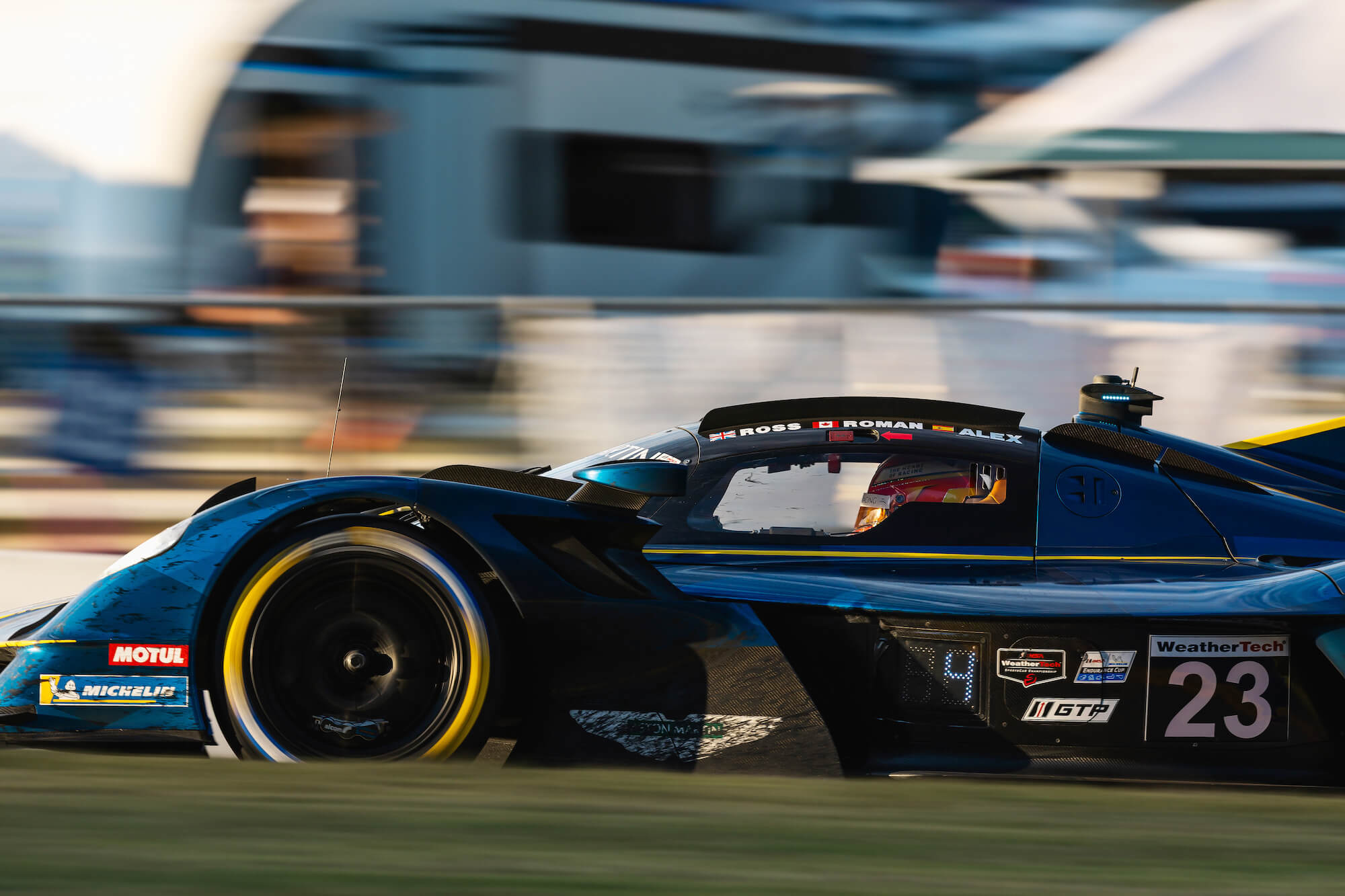
Why? Because the last two hours of the increasingly important 10-hour sportscar enduro take place under the Georgia night sky, on a Saturday night in mid-October. So as soon as Aston Martin works driver Ross Gunn felt the potential of Valkyrie beneath him during the preceding Thursday night’s practice session (where he was quickest) for the IMSA WeatherTech SportsCar Championship [IMSA] finale, he knew something special was coming.
But even Ross, firing out of the spotlit 85-degree Turn 7 right-hander and luxuriating in the intoxicating thump of torque from the 6.5-litre V12 engine screeching down the back straight, wouldn’t have dared believe how accurate his instincts were.
“Road Atlanta is cool anyway,” he says. “It’s physically demanding because of the harshness of the car and nature of the track. But when you forget about everything that hurts, you fall into a kind of tunnel-vision focus. Then it’s the coolest place in the world to drive. But this weekend there were so many moments where it just felt right.”
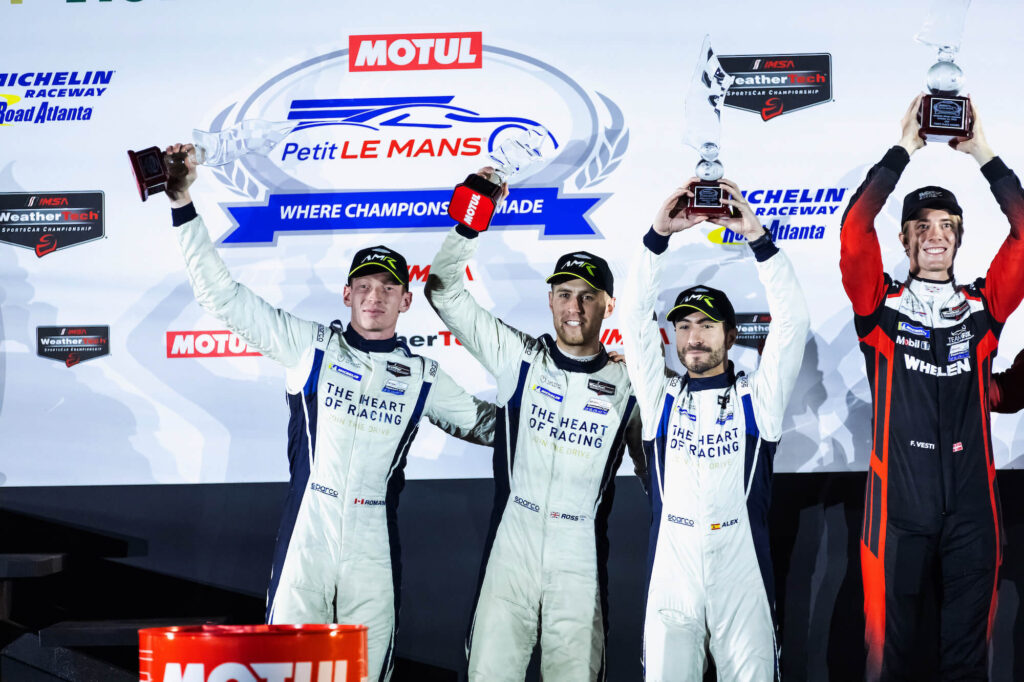


Forty-eight extraordinary hours of ‘tunnel-vision’ focus later, and Valkyrie had come within five seconds of claiming a famous maiden victory following a breathtaking fightback, finishing second overall – having been a bona fide podium contender all along. It was a breakthrough result for a global endurance programme that has captured the imagination of not just Aston Martin lovers but racing fans all over the world.
This first podium appearance for Gunn and his Aston Martin THOR teammates Roman De Angelis and Alex Riberas would mark the best result of Valkyrie’s first season of global endurance competition. But it was more than that. It was also the best overall finish by an Aston Martin in IMSA history. Moreover, the racing version of Valkyrie – the raw competitive expression of the world’s ultimate hypercar – became the first derived from a roadgoing derivative to claim a podium finish in the Hypercar era. All sprinkles of history on the trail to a greater glory…
A result like this had been coming for a while.
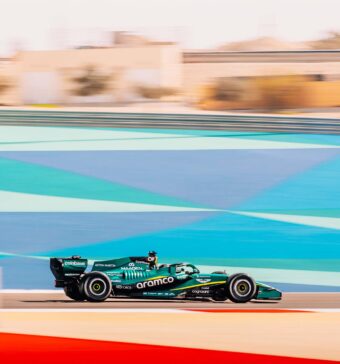
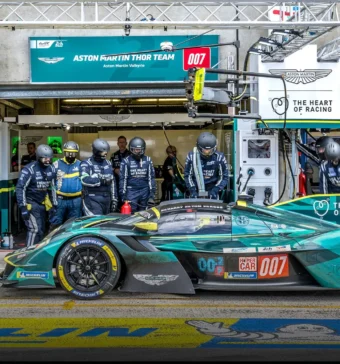
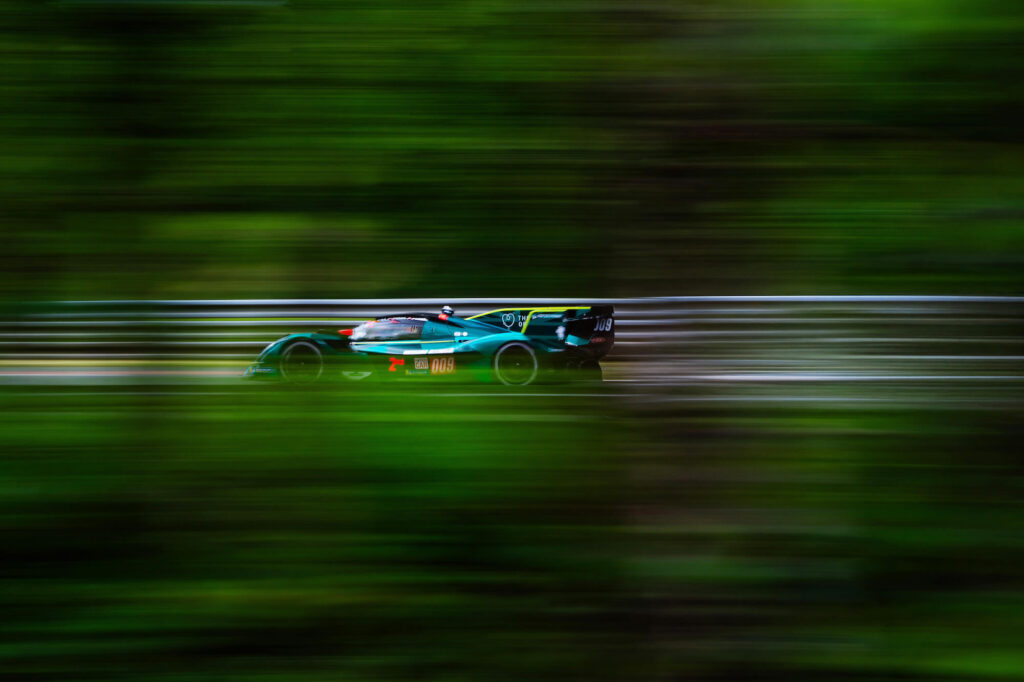
The works Aston Martin THOR Team races three Valkyries in total. Two in the Hypercar Class of the FIA World Endurance Championship [WEC], which includes the world-famous 24 Hours of Le Mans. Then another in the GTP class of IMSA. On both sides of the Atlantic, the programme has been on a steady, yet comprehensive performance incline all season. And while that curve was shallow to begin with, it has got significantly steeper in recent months. Valkyrie’s competition debut in the Qatar 1812km – the WEC season opener – could hardly seem further back in time. At Lusail, in February, Marco Sørensen and Alex Riberas placed 17th, in the #009, 12 laps behind the winner, while the sister #007 car driven by Harry Tincknell and Tom Gamble didn’t finish.
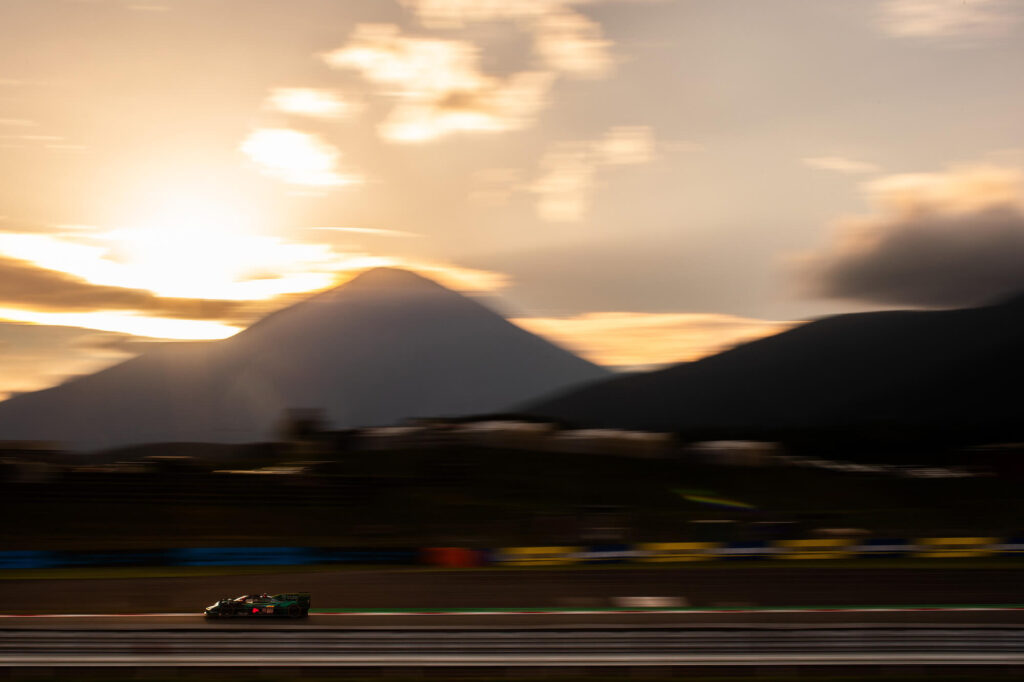
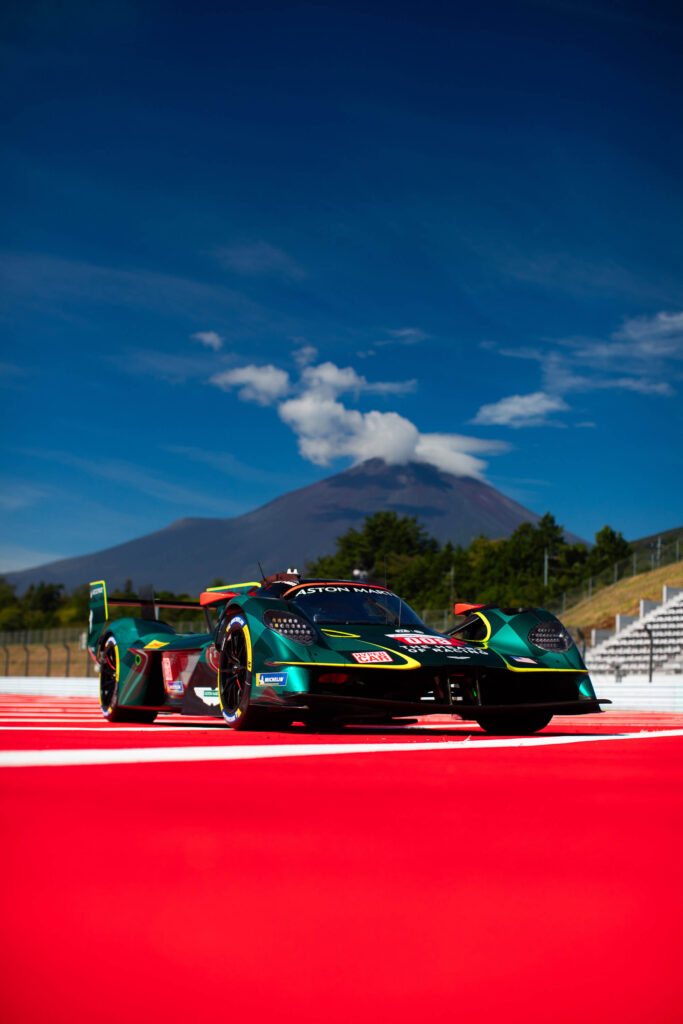
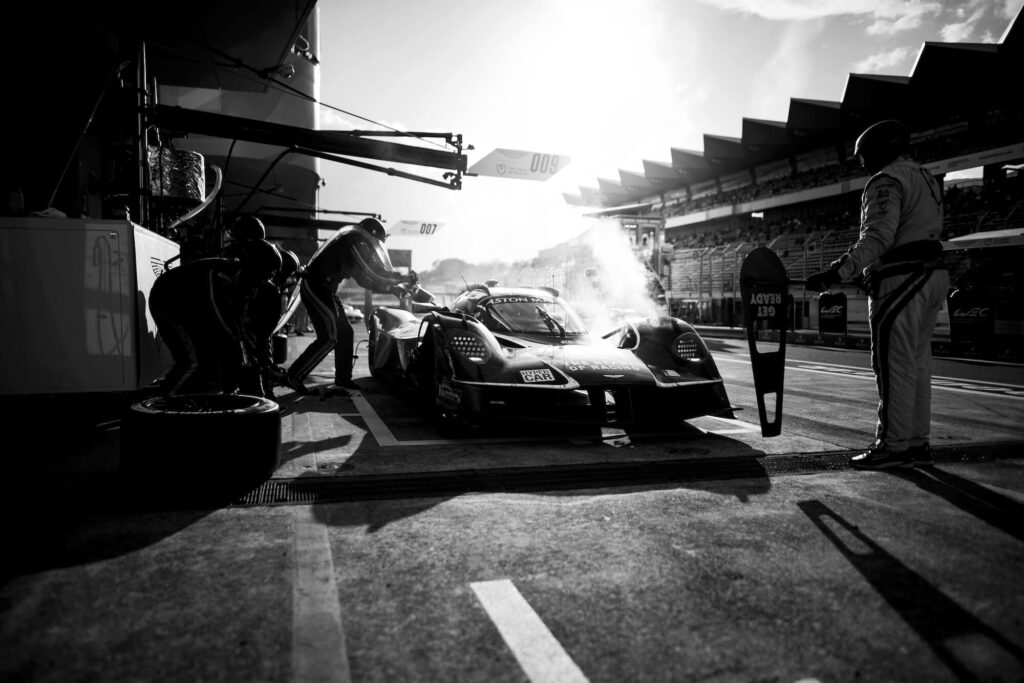
The first breakthrough came at Le Mans. Valkyrie’s aerodynamic characteristics suited the long sweeping nature of the Circuit de la Sarthe, and Sørensen made it into Hyperpole for the first time. In the race, both cars finished without a hitch and the team scored its first world championship points. Then, as the season moved towards the late-summer flyaway races in Brazil (the 6 Hours of São Paulo), Austin TX (the Lone Star Le Mans) and Japan (the 6 Hours of Fuji), Valkyrie’s potential became more apparent. So much so that Sørensen and Riberas finished fifth in Japan, having flirted with delivering the car’s first podium.
“When you look at Valkyrie as a competitive proposition now, compared to the one we started with at the beginning of the season, it is significantly better,” says Adam Carter, Head of Aston Martin Endurance Motorsport. “Considering the format of the championships, and where we are on our journey along that development curve relative to our competition, and the formulation of the programme, we’re very pleased with where we’ve been operating in the latter part of the season.”
In IMSA, the racing is different. Teams pounce on strategic opportunities that frequently arise from mid-race re-sets brought about by Full-Course Yellows and periods behind a Safety Car, so pace is only one factor that decides the outcome. And yet Valkyrie’s performance growth metric is similar. The car never finished outside of the points, and nearly always inside the top ten. At Road America, sixth on the road could easily have been third, but for one of those yellows.
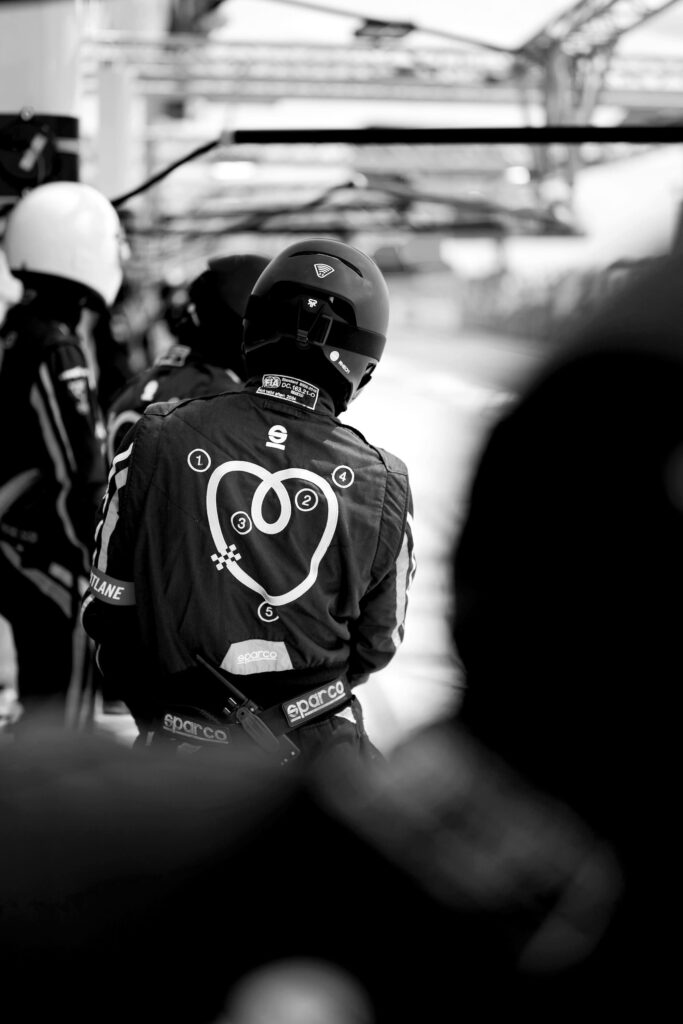

Ian James, The Heart of Racing team principal, leads the team that races Valkyrie on both sides of the Atlantic. For him, the performances have surpassed his targets.
“I think we’re in front of expectations,” he says. “The fact that we are racing and beating teams that have won championships is kind of cool… I had realistic goals going in for both programmes, and we’ve achieved them all. The team is operating at a higher level than I could have envisaged going in, and that’s a credit to everyone involved in both series.”
In both the COTA and Fuji WEC races, which preceded IMSA’s Petit Le Mans, Valkyrie benefited from learnings born out of the experience gained from racing the car for half a season. Aston Martin THOR is now better at understanding how to harness the potential of Valkyrie, which has led to a natural upturn in form.
“It’s having the time to concentrate on performance development over and above getting the team to work coherently,” explains Carter. “To begin with, it’s a new programme and you’re getting the organisation to work together, and in parallel to that, you’re receiving more data to better understand the car. It’s a sum of the parts. Everything’s starting to come together, but ultimately, it’s about bringing the details together, and then they compound. But it takes time.”
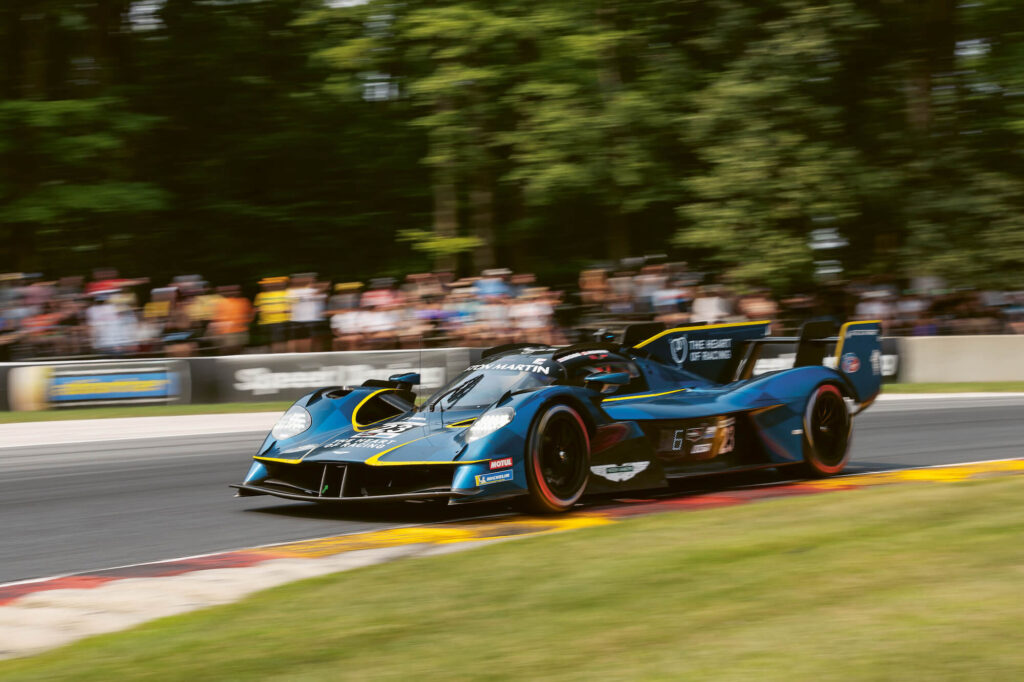
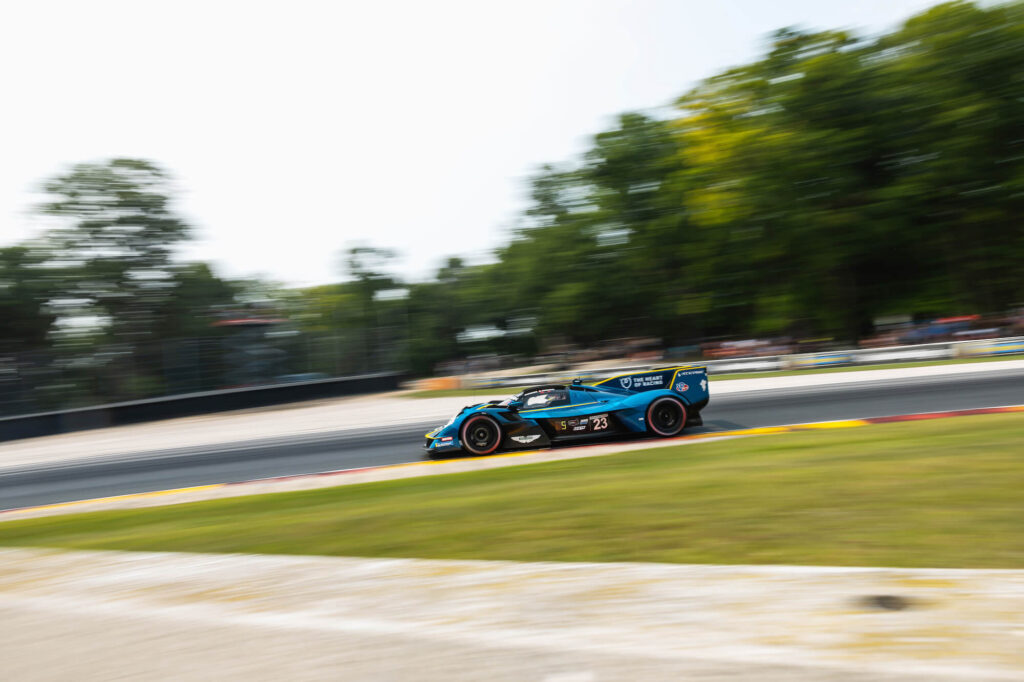
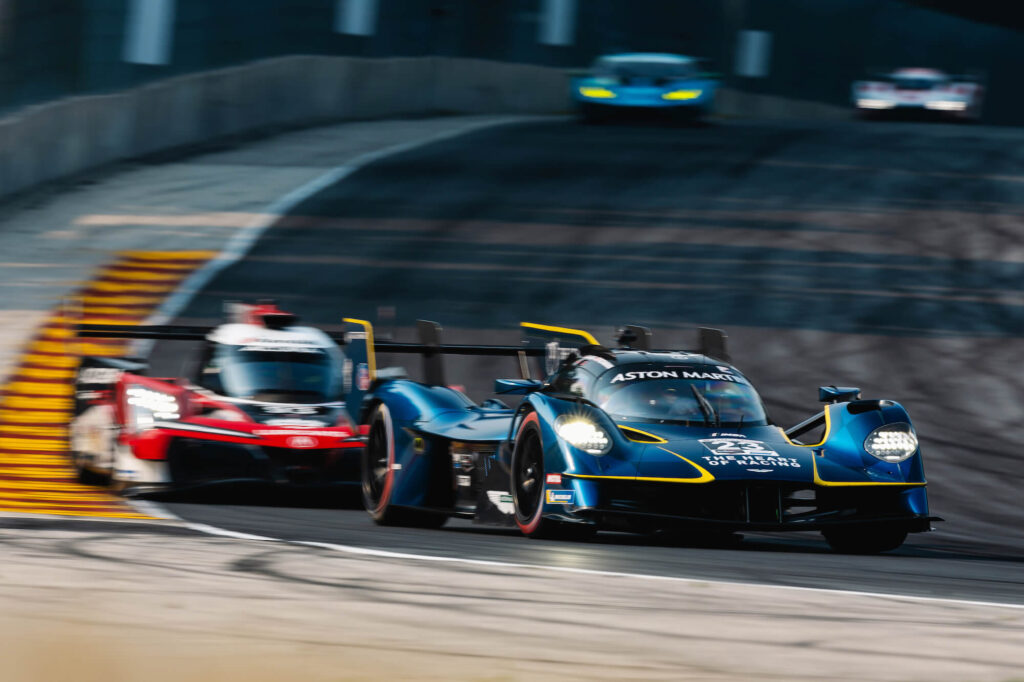
It’s worth pointing out that Aston Martin’s key rivals are further along that same pilgrimage. “There’s a significant amount of competition and they’re packed with great talent in well-funded programmes,” says Carter. “For some of our primary competitors, this is their third year, so you are playing catch-up against that development curve.”
In Atlanta, though, all the stars aligned, and Valkyrie was in a sweet spot. That said, neither James nor Carter is under any illusion of the size of the challenge ahead. “It’s only one race,” says Carter. “We’ve shown potential in Fuji that we could contend for the podium. We showed good pace, and we qualified well, and we were competitive, but a podium opportunity in Fuji would probably have been fortuitous. Whereas in IMSA, that podium was hard-earned and based on competitiveness. So, to have achieved it is a great result.
“The target now is to try and maintain that competitiveness and use it as a foundation for 2026.”
For James, this early success must not come at the cost of focus. “This was a great result,” he says, “but we understand the mammoth task ahead. We are just going to continue to work as hard as we can. If we do that, results will come. I believe in my heart, in the next couple of years, there’ll be times when Valkyrie shines, and our hope is that Valkyrie will be one of the iconic cars of this generation of sportscars.
“I don’t know when and how it will happen, but I think there will be a defining moment for the brand and for Valkyrie.”