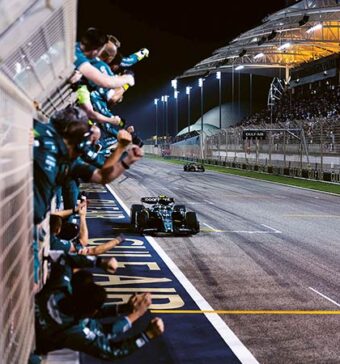










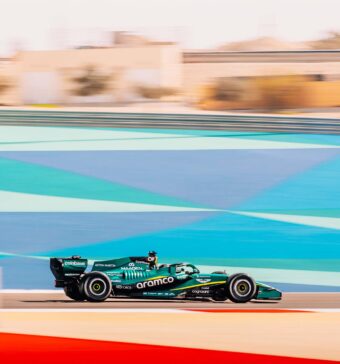
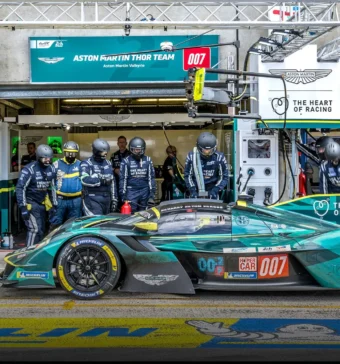
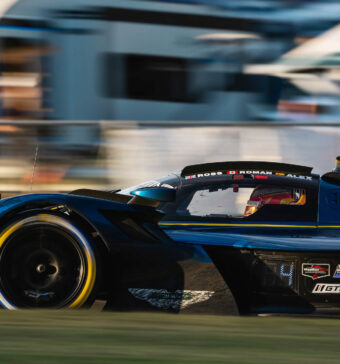
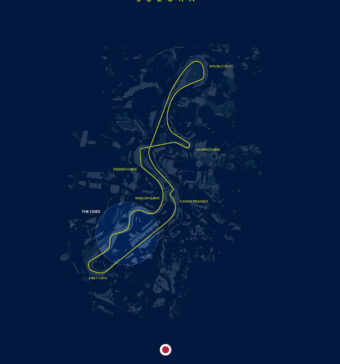






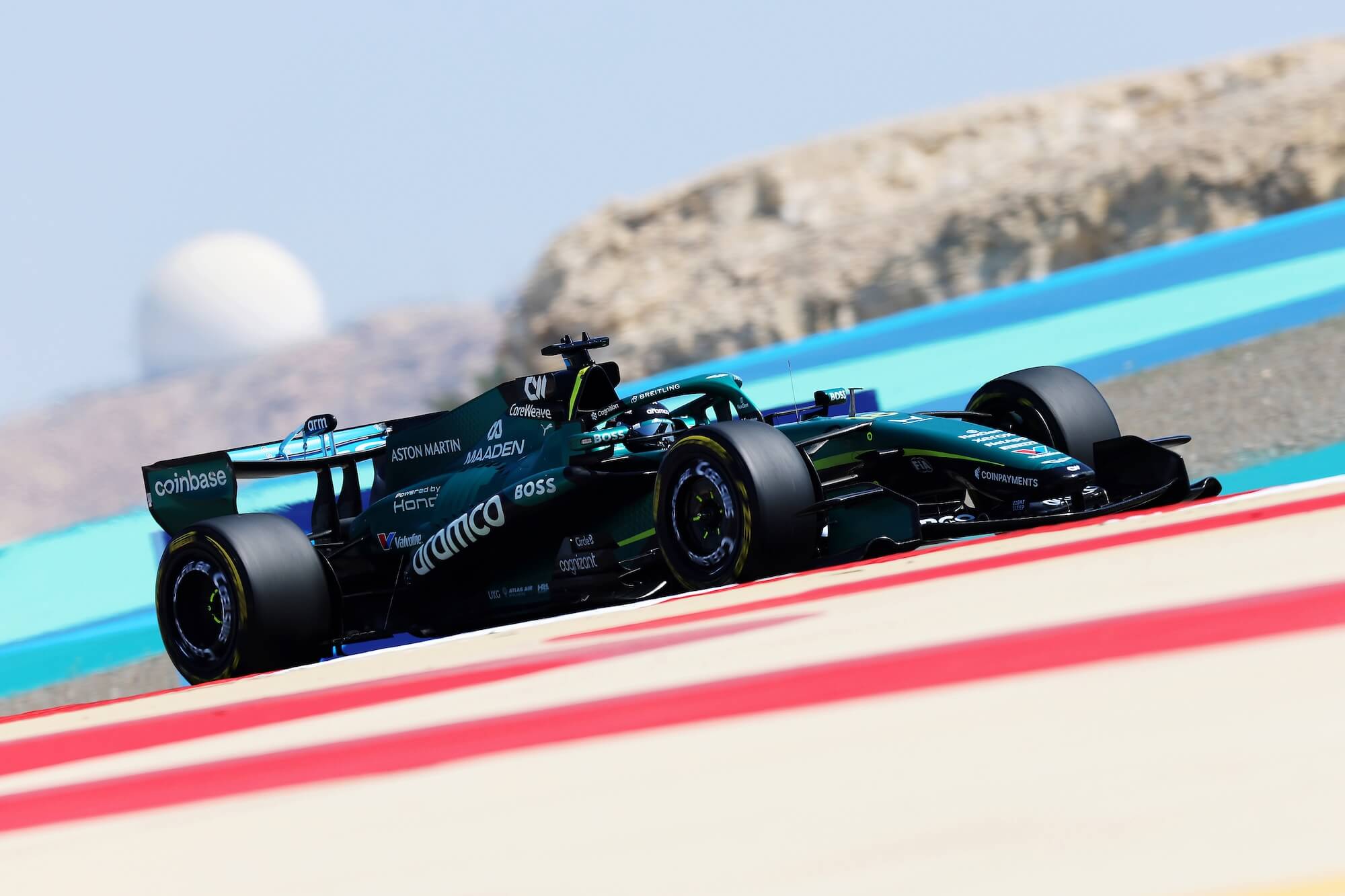
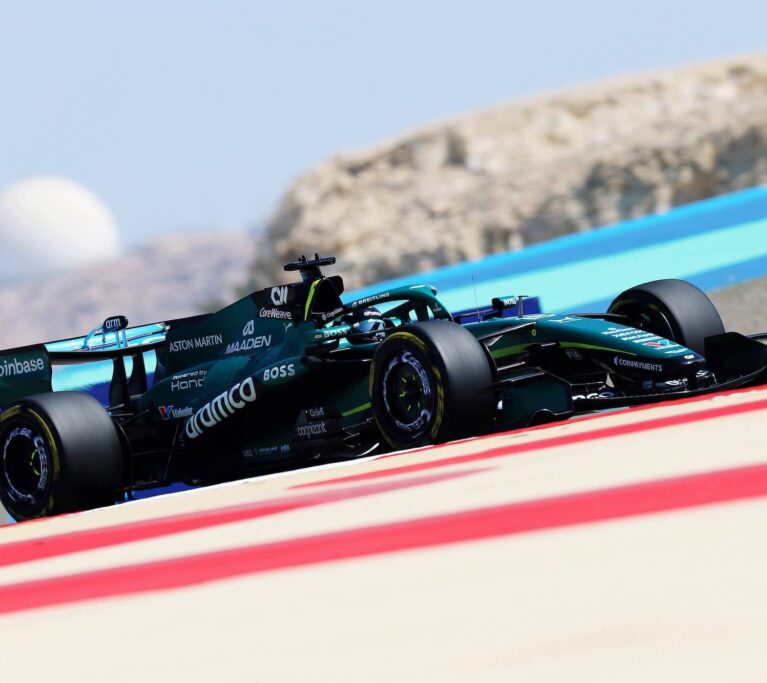
However excited you might be as the new Formula 1® season dawns, we can think of two people who might eclipse it: Fernando Alonso and Lance Stroll. As drivers for the Aston Martin Aramco Formula One™ Team, they have arguably the best job in the world — and in 2026, a new era of racing gets underway.
F1’s governing body periodically instigates a major rules reset, with this year’s said to be the most far-reaching in the sport’s history. In these circumstances, it usually pays to have Newey, architect of 14 drivers’ championship-winning cars, in your corner. Not to mention redoubtable engine partner and serial winners Honda providing the motive force.
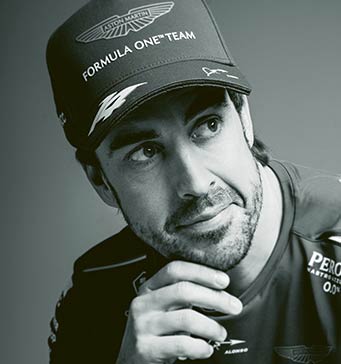
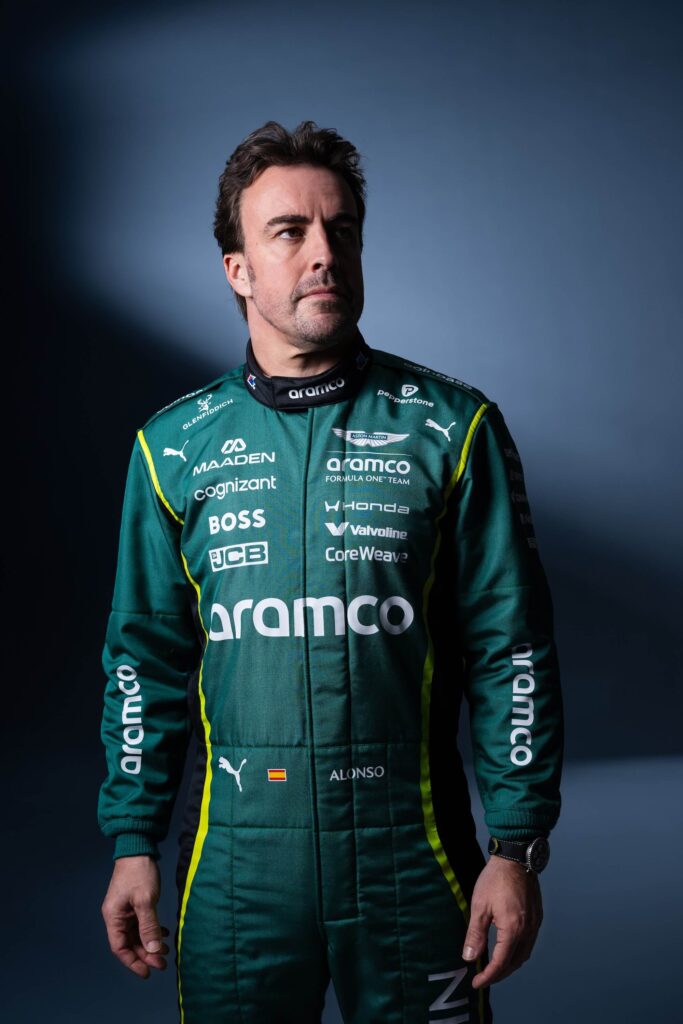
“I’ve been racing against Adrian’s cars for my entire career, and I finally get to drive one of them,” Alonso tells the Aston Martin magazine in a short break during pre-season testing in Bahrain. “I’m very proud to be a part of this team, and it’s a very important moment for us. It feels like something important is coming, and it’s something Adrian plays a big role in. Adrian and everyone in the team at the AMR Technology Campus and at the track are trying to extract the most performance.” F1 is a furiously technical sport, but Newey is the back-room boffin whose profile rivals the big-name drivers in terms of status. Lance Stroll is under no illusions about why Aston Martin Aramco’s Team Principal is so feted.
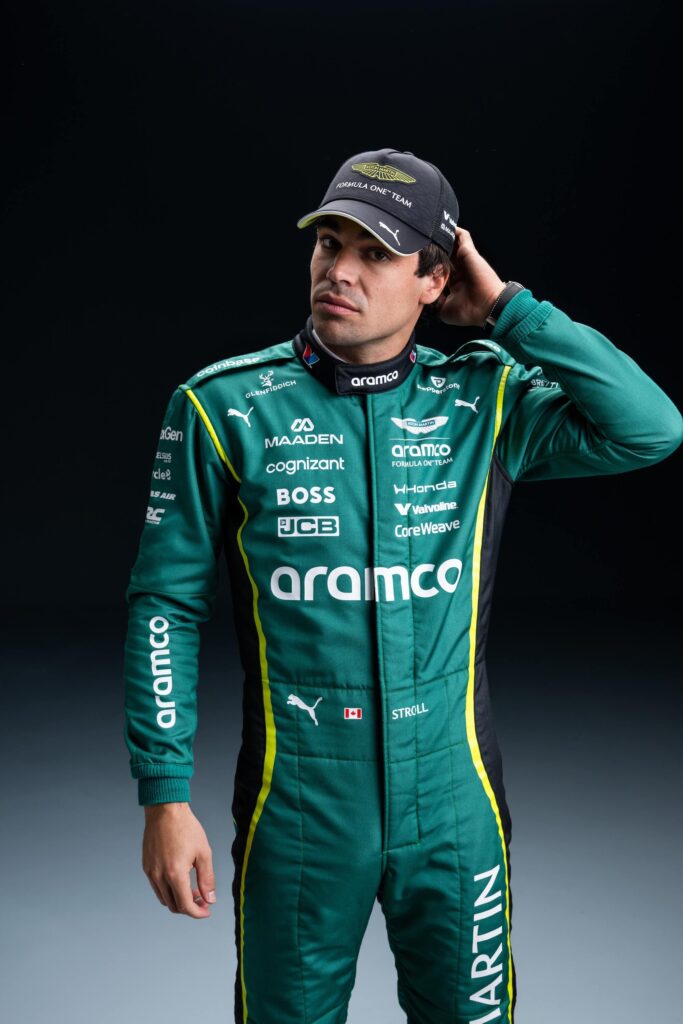
“His impact is huge, he’s radical, a risk taker and is dedicating his time to steering the team in the direction of our ultimate goal, to fight for podiums, race wins and championships,” he notes. “The transformation of the team over the past five years has been incredible, and Adrian’s arrival is very motivating for everyone; he’s a great leader overall, and it’s a privilege to work alongside him. Driving an Adrian Newey car is exciting; he’s designed a lot of championship-winning cars, so it’s a very proud moment for me and the team.”
Tightly packaged and as beautiful as a Renaissance sculpture, it’ll take time for the AMR26’s development potential to be fully realised. Not least because the rules reset demands a different approach from the drivers. The new powertrains have a 50/50 balance between combustion and electrification, which means that recharging the battery and managing the available energy is as much a priority as maximising cornering speeds. ‘Overtake’ and ‘Boost’ modes are new additions to the drivers’ armoury. There are additional strategic layers, in other words, adding to the impression that F1 is akin to playing high-performance four-dimensional chess.
“The regulations have their own special things, and different driving techniques are needed for different cars and sets of regulations,” Alonso says. “These new regulations are a little bit more dramatic in that regard. We always enjoy new challenges. For me, the nineties and early 2000s F1 cars are unmatched for driving. But the world has evolved, and so has the sport.”
Although seasoned F1 watchers are careful not to read too much into pre-season tests, in 2026 the variables are greater than ever. Ultimately, the goal remains the same: for the team to create a car that can deliver the ultimate lap time, and that the driver can extract it with maximum confidence. Under the new rules, the way energy is recovered and deployed is rewiring the concept of what a racing driver actually is. Some purists may be apprehensive, but it’s hugely exciting. The truth is, F1 has always been at the forefront of technological change, with efficiency and sustainability increasingly to the fore. The new paradigm will settle pretty quickly.
“Drivers have to be more strategic this year when using ‘Overtake’ and finding the most efficient way to recharge the new batteries,” Stroll says. “It takes some learning, but it’ll soon come as second nature for every driver across the grid. It’s an exciting time, it’s going to be unpredictable as every track will feel like a new one.
He continues, “Something I enjoy is that it never gets easier, each race weekend that I’ve raced in over my career has had its own unique challenges, it makes you improve as a driver and challenges your strengths and weaknesses, which is crucial going into this season. It’s going to be hectic. It’s a season where performance could change in a heartbeat, and everyone will be continuously developing so much throughout the year to try and get or stay ahead. We’ve seen it before when one right improvement can turn the season on its head.”
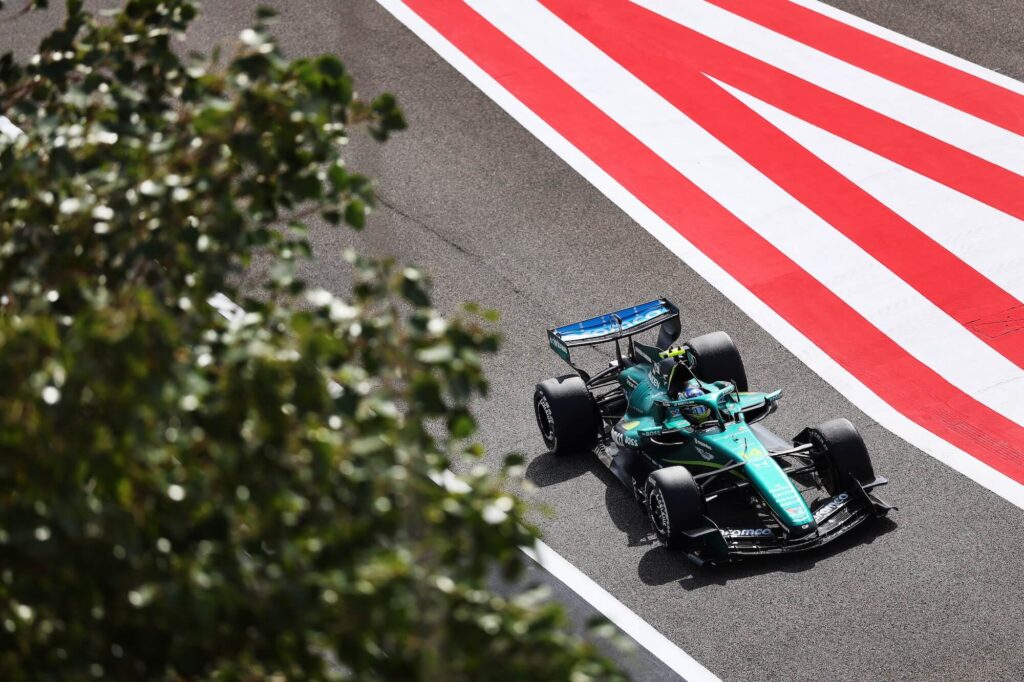
Whatever way you slice it, we’re at the threshold of one of the most fascinating F1 seasons ever. The unknowns are numerous, the potential for drama high. Expect the Aston Martin Aramco Formula One™ Team to continue developing, the best brains in the business surmounting the challenges race by race.
“We’ve only just got to drive these cars, and testing is always about learning,” Alonso says. “And in Bahrain, it has been no different. We will properly know what these cars are actually like to drive in Melbourne and as the season progresses. We still love motor racing, we still love competing, and for the regs, I understand there is less input on driving skills. But I think after a few races, maybe we’ll have a better idea.”