









Gorblimey! Gordon Bennett! As vociferations go, they don’t come much more British. But where did this expression of incredulity come from? Well, Gordon Bennett Jr, a Scottish-American socialite, lived a charmed, if scandalous, life. Some might say an unbelievable one.
Among his many claims to fame, he organised the United States’ first polo and tennis matches, and in 1866 won the first trans-Atlantic yacht race. In 1900, having inherited his father’s fortune (Gordon Bennett Sr was the founder, editor and publisher of the New York Herald), he established the Gordon Bennett Cup, the precursor to Formula 1®, in which national teams competed in city-to-city races. It was here that the idea of national racing colours was born. Italy went for black, France blue, Germany silver and America red. Britain, somewhat half-heartedly, opted for green.
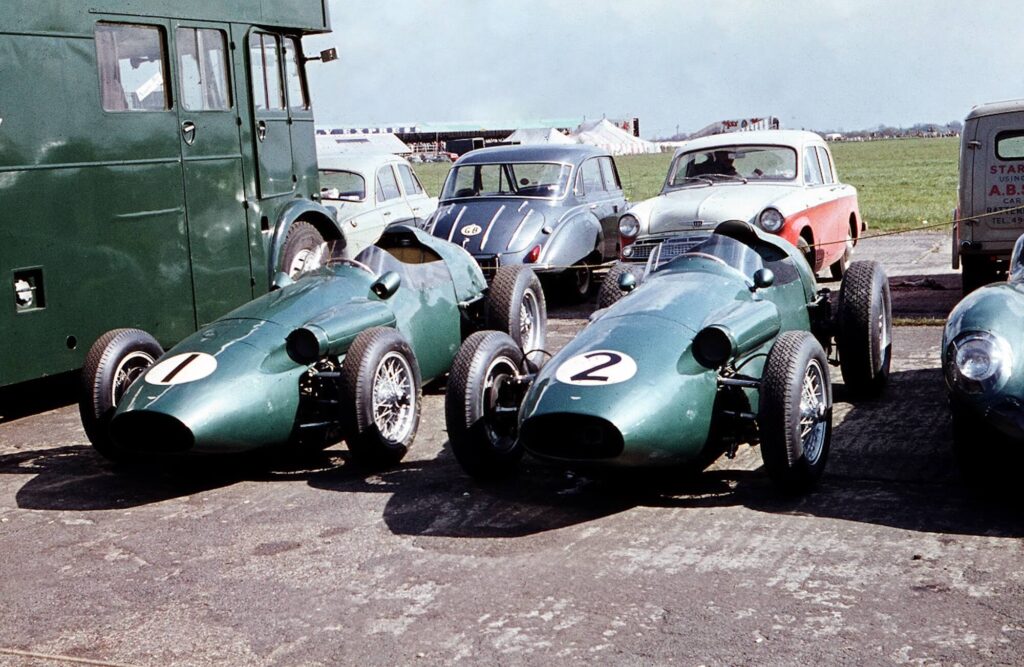
Then, in 1902, British driver Selwyn Edge won the race from Paris to Vienna, which meant the following year, the race should have been held in Britain. Only, British law stated that no automobile was permitted to exceed 12mph, a decree that made motor racing illegal throughout the isle – and so the 1903 Gordon Bennett Cup was held in Ireland. Out of respect, Britain raced in ‘shamrock green’, a shade that subsequently became known as British Racing Green (BRG).
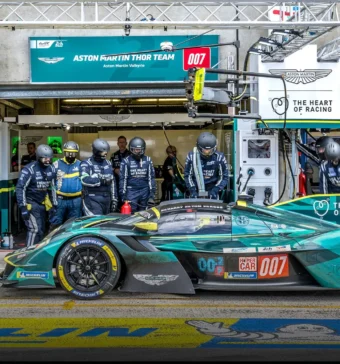
Green was first seen on an Aston Martin at the 1922 French Grand Prix, where the marque made its international racing debut. TT1, or as it was later known, ‘Green Pea’, was painted dark green to comply with the international regulations. From that point on, Aston Martin’s racing cars have taken to the tarmac in some version of British Racing Green.
It’s worth pointing out that there is no definitive British Racing Green. The Pantone code most often used for BRG is listed as 20-0182 TPM, a dark shade simply labelled ‘Racing Green’. According to Aston Martin brand historian Steve Waddingham, Aston Martin is actually synonymous with a ”more glamorous shade of metallic Almond Green [referring to its predecessor, Poly Almond Green, which was used for the marque’s return to the 24 Hours of Le Mans in 1949], latterly called ‘Aston Martin Racing Green’”.
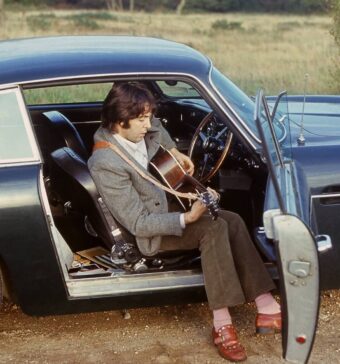
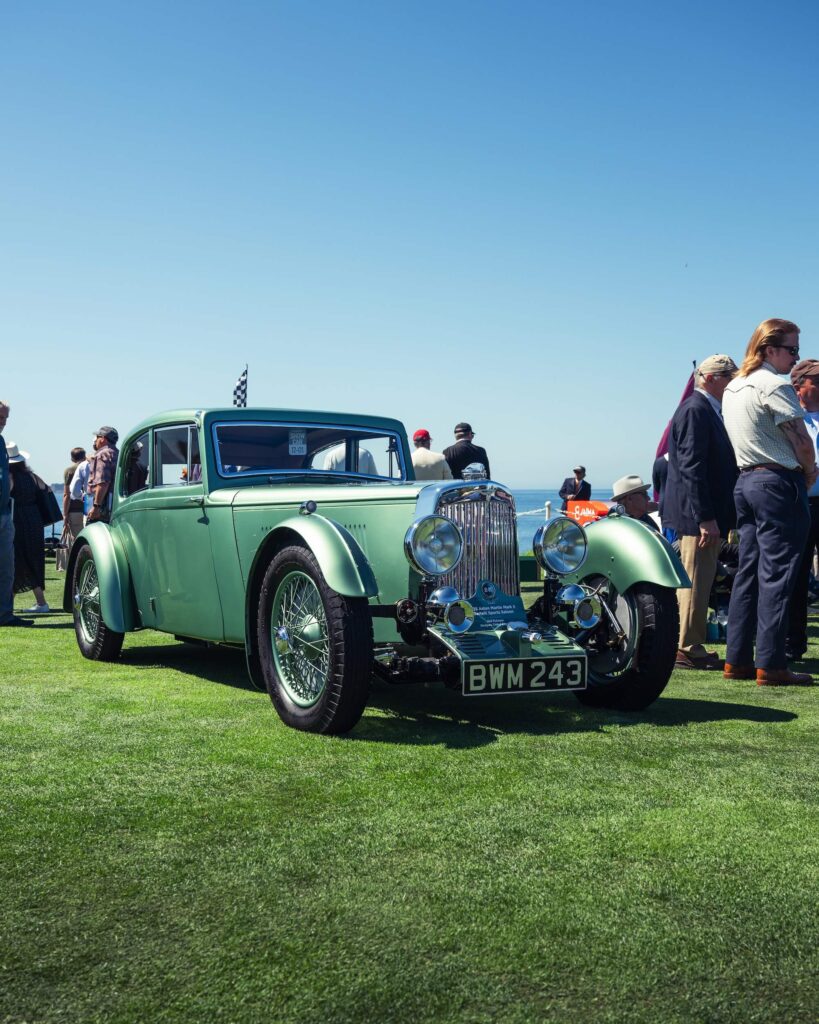
However, Aston Martin had dabbled in metallic green since before World War II. Last year, a barn-find 1935 Aston Martin Mk2 Sports Saloon made headlines after Waddingham and a team of experts from HMG Paints in Manchester conducted forensic paint analysis to prove that it was the first Aston Martin to be painted metallic green. The car had been taken off the road in 1972 and remained out of sight, out of mind, in a suburban garage in Liverpool for the next 50 years. Neil Pickstone bought it at auction in 2019 for £67,500 and began a restoration project so thorough that the car picked up the Montagu of Beaulieu Trophy for the most significant car of British origin at Pebble Beach Concours d’Elegance 2025.
“There’s no question in my mind,” says Pickstone when asked if he thinks the green was a deciding factor for the judges on the Aston Martin Heritage Trust podcast. “It is a significant car because of the colour. It’s a beautiful colour. There are 11 more of these cars around, but this is the only one in metallic green, and it makes it look spectacular. It stands out, it’s an iconic colour.”
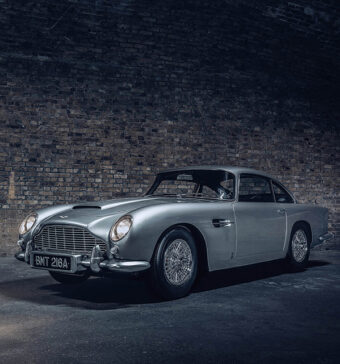
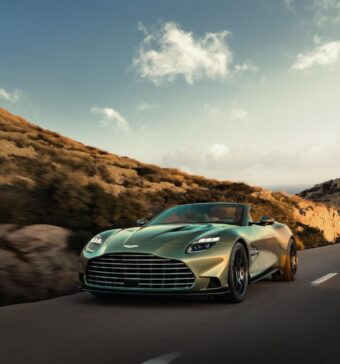
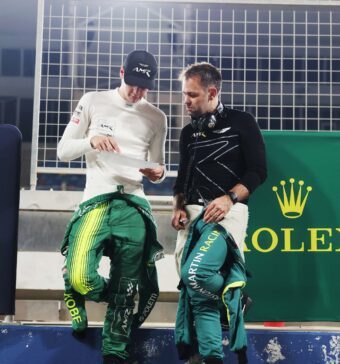
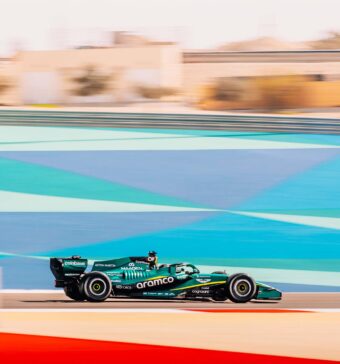
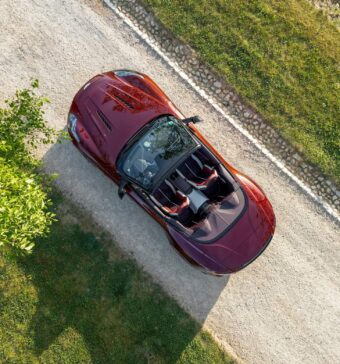
It seems that Pickstone and the judges are not alone in their appreciation of the metallic green Aston Martin. In 2024, Racing Green became the most popular Aston Martin colour choice, with 24 per cent of new car buyers opting for one of nine shades of green. Data suggests that the spike in popularity was likely a consequence of Fernando Alonso’s historic first podium for the Aston Martin Aramco Formula One™ Team at the 2024 season-opener in Bahrain. “Just as James Bond made the Silver Birch paint tone synonymous with DB5 and the brand more broadly, 60 years on, Aston Martin’s on-track success is putting Aston Martin Racing Green at the forefront of customers’ minds when purchasing their Aston Martin,” the marque noted at the time.
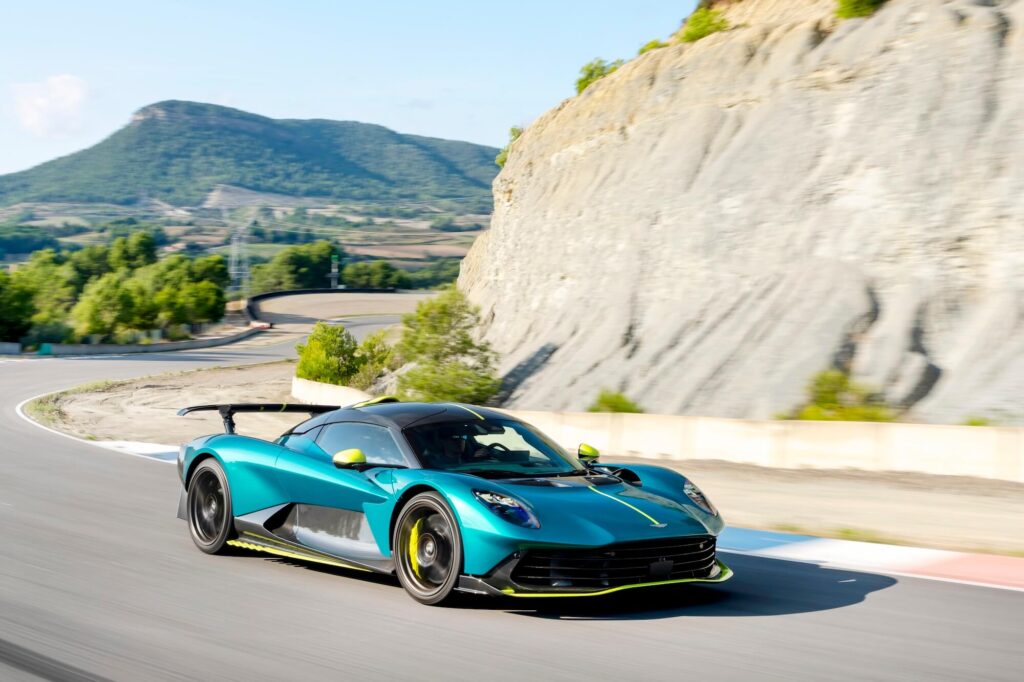
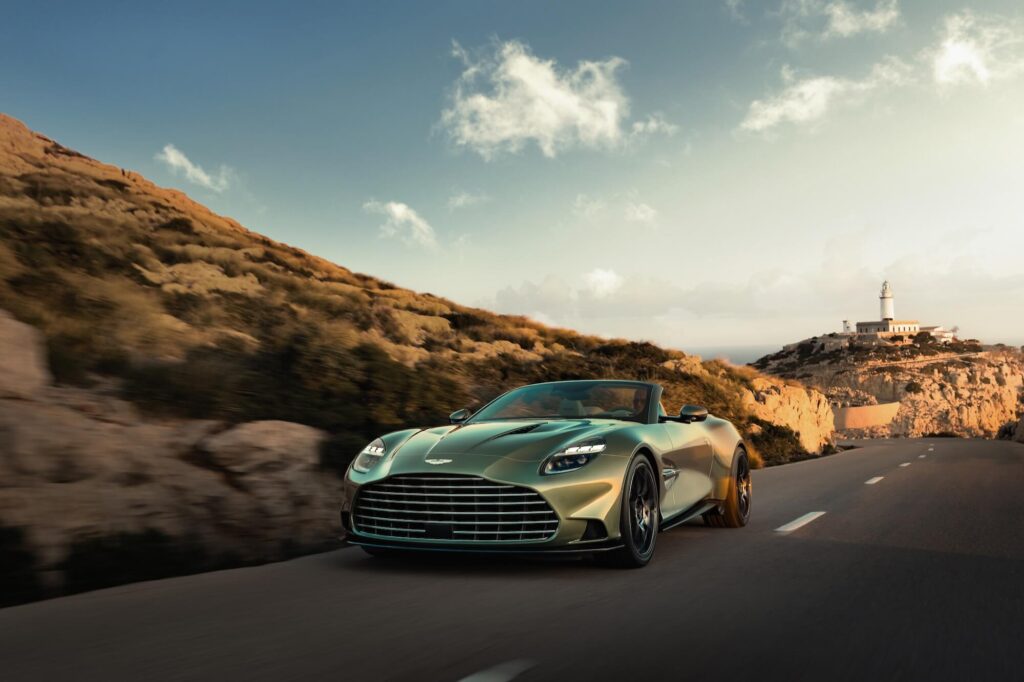
Makes sense. Podium Green (the official Aston Martin Aramco shade) has become increasingly popular among the marque’s younger clientele and first-time buyers, says Vittoria Gabba, Commercial Head of Q by Aston Martin Operations, whereas green hues from the heritage palate – Malachite, Buckinghamshire, Ghillies and Pentland, for example – appeal more to our legacy customers. “We offer at least 30 different greens, but of course, we also invite the customer to create their very own shade,” adds Gabba. “In the last couple of years, we’ve created half a dozen bespoke greens.”
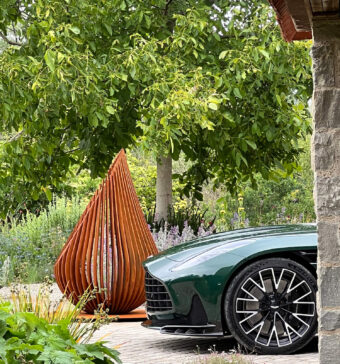
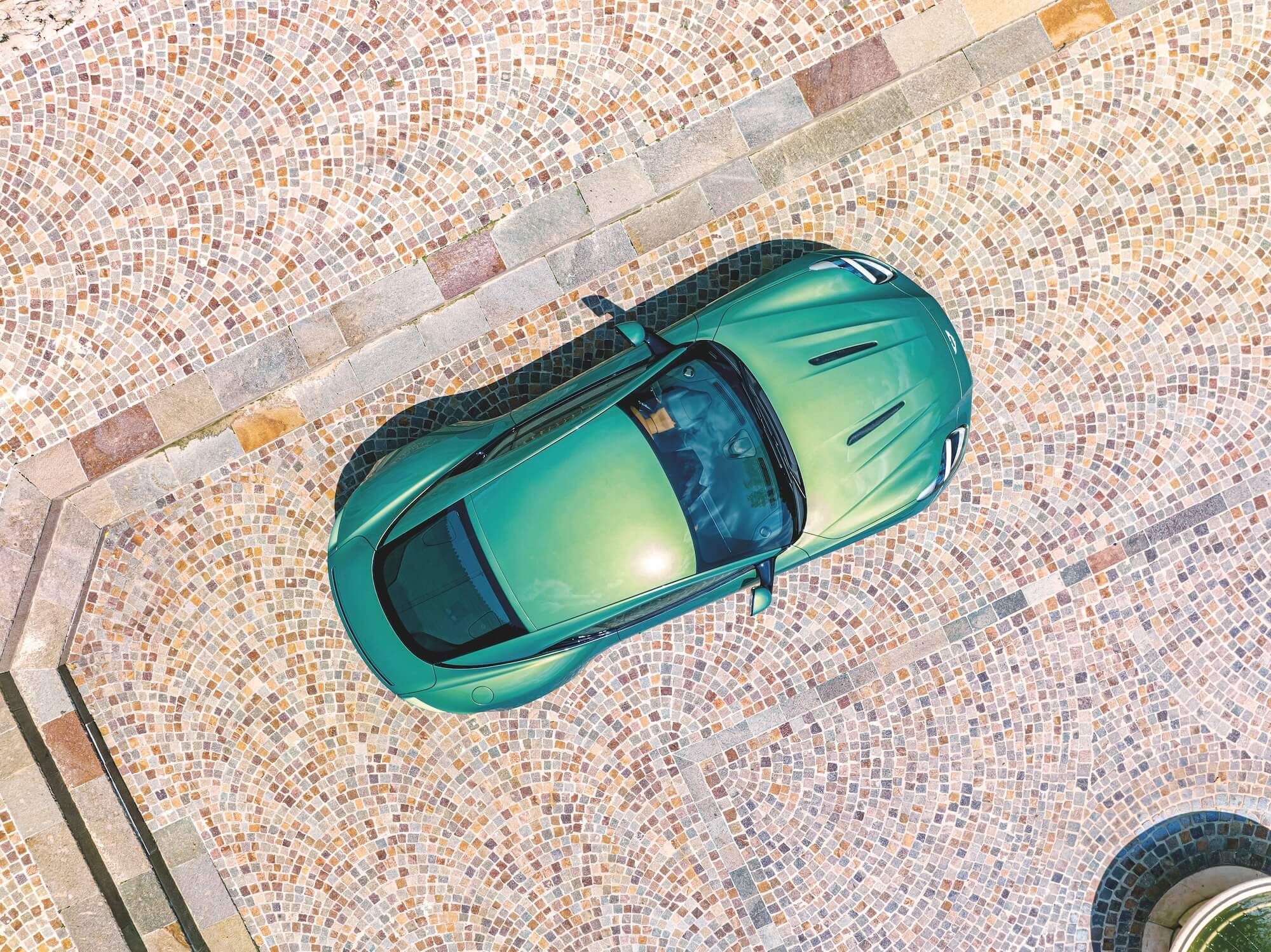
As to why the Aston Martin design team feels so strongly about Racing Green, Gabba says the colour helps to highlight the aerodynamic curves of the car. That the DB12 was launched in Iridescent Emerald certainly wasn’t an arbitrary decision. “You wouldn’t believe the time that will have been spent selecting that colour,” he says. “It emphasises everything.”
For Marek Reichman, Executive Vice President and Chief Creative Officer at Aston Martin Lagonda, the colour’s newfound popularity is a blessing. “It’s great, because we are green. We stand for green,” he says. And to think it could have been so different, if only the national speed limit in 1903 hadn’t been quite so repressive…