










There’s something inherently twisty about chicanes – beyond the obvious, that is. They may be installed to safely slow down drivers and reduce accidents, but these clever curves also demand certain skills of racers, challenging their reaction times and presenting a danger greater than speed to outmanoeuvre.
Due to their twist-and-turn, trial-and-error nature, many of motorsport’s most famous chicanes have been retooled or even retired over the years. The ‘Suntory Chicane’ at Fuji Speedway is one such section that’s fallen by the proverbial, while others – such as the ‘Acque Minerali’ at Imola – are now reserved solely for superbikes.
Formula 1® has some of the most iconic S-shaped sections: the ‘Eau Rouge’ at Spa, for example, or Monza’s sweeping ‘Variante Ascari’. Not forgetting the Maggotts/Becketts complex, which comprises one of the fastest sequences of corners in the world, at Silverstone, home of the Aston Martin Aramco Formula One® Team. But from the Nürburgring to New South Wales, there’s a whole world of legendary corners to conquer.
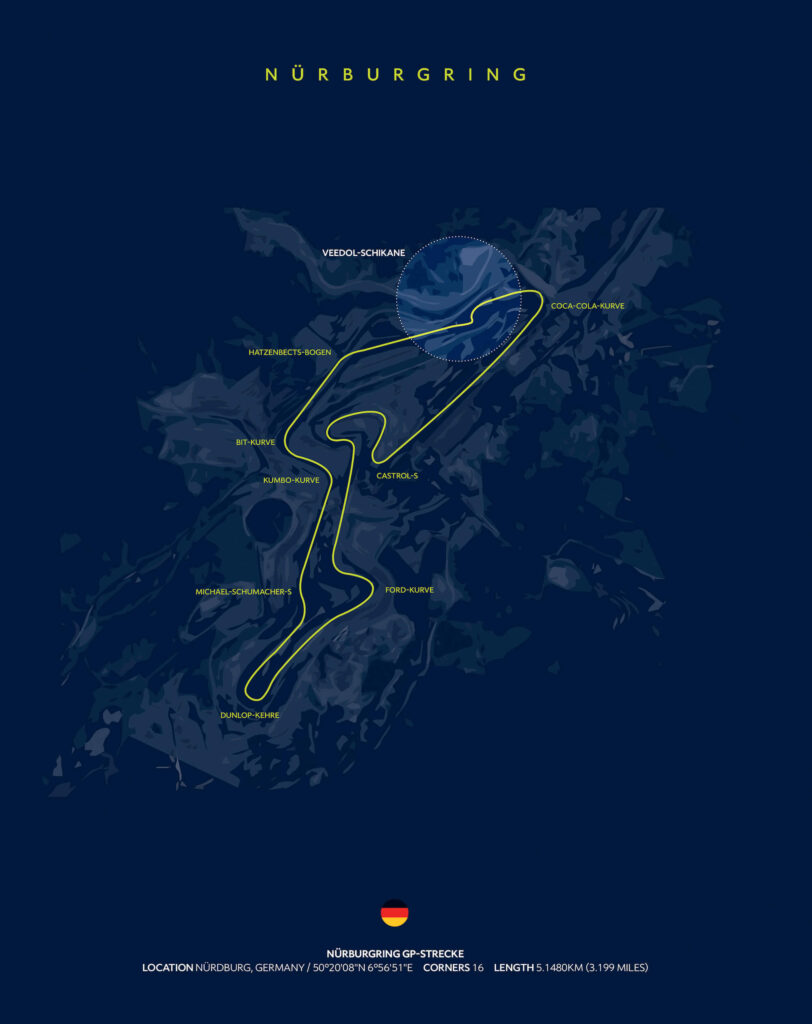
THE ‘VEEDOL-SCHIKANE’ AT THE NÜRBURGRING
In western Germany, on the track Sir Jackie Stewart famously dubbed ‘the Green Hell’, this tight chicane sits on the ‘Nordschleife’ (or ‘Northern Loop’) circuit, and was introduced in the 1970s to slow down drivers on the uphill approach towards the high-speed ‘Flugplatz’ section. It can be tackled in two different configurations – either a sharp, angular version or a wider, more flowing motorcycle variant, which is also used during the famous 24 Hours of Nürburgring.
THE ‘S DO SENNA’ AT INTERLAGOS
Also known as the ‘Curva Senna’, this pair of alternating downhill turns – left, then right – was named in honour of Ayrton Senna in 1990, celebrating the Brazilian driver’s remarkable achievements in motorsport. Demanding precise entry and late apexing, it forms the first two corners of São Paulo’s Autódromo José Carlos Pace and is the first Formula 1® chicane ever driven in competition by its namesake. (In 2007, the Nürburgring’s newly minted ‘Michael Schumacher S’ became the second.)
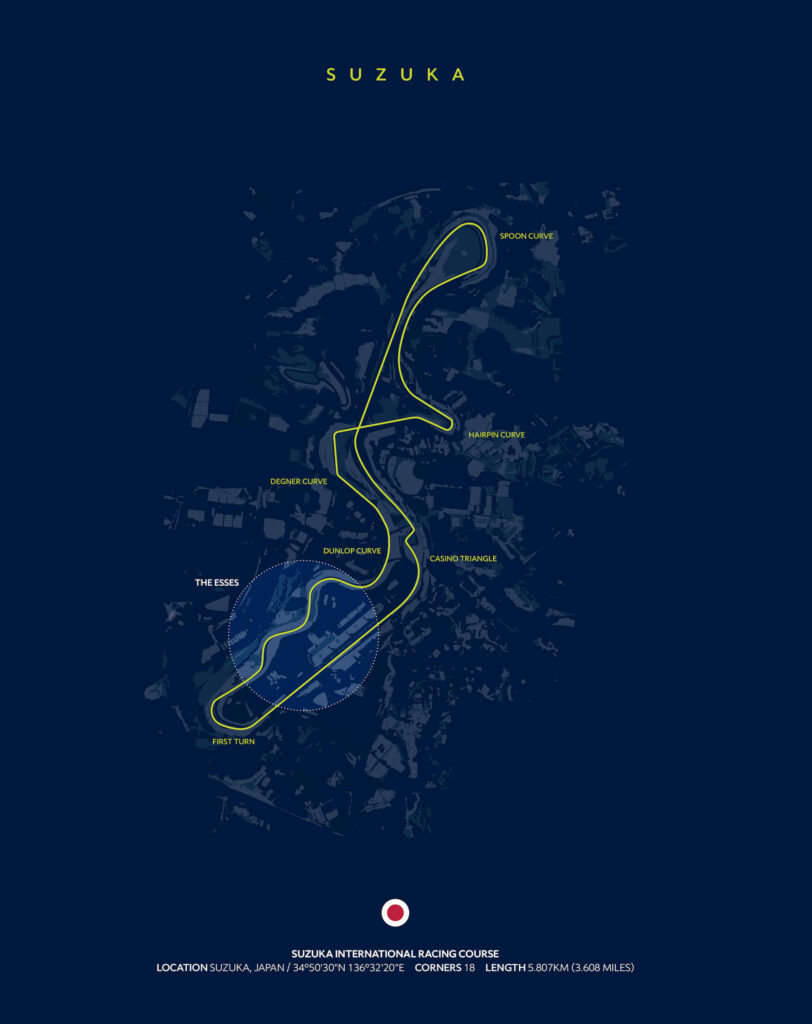
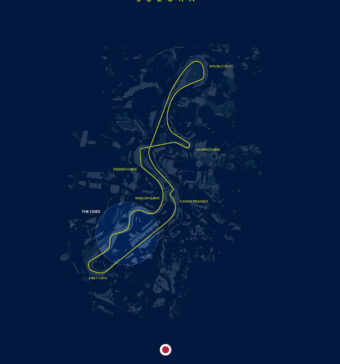
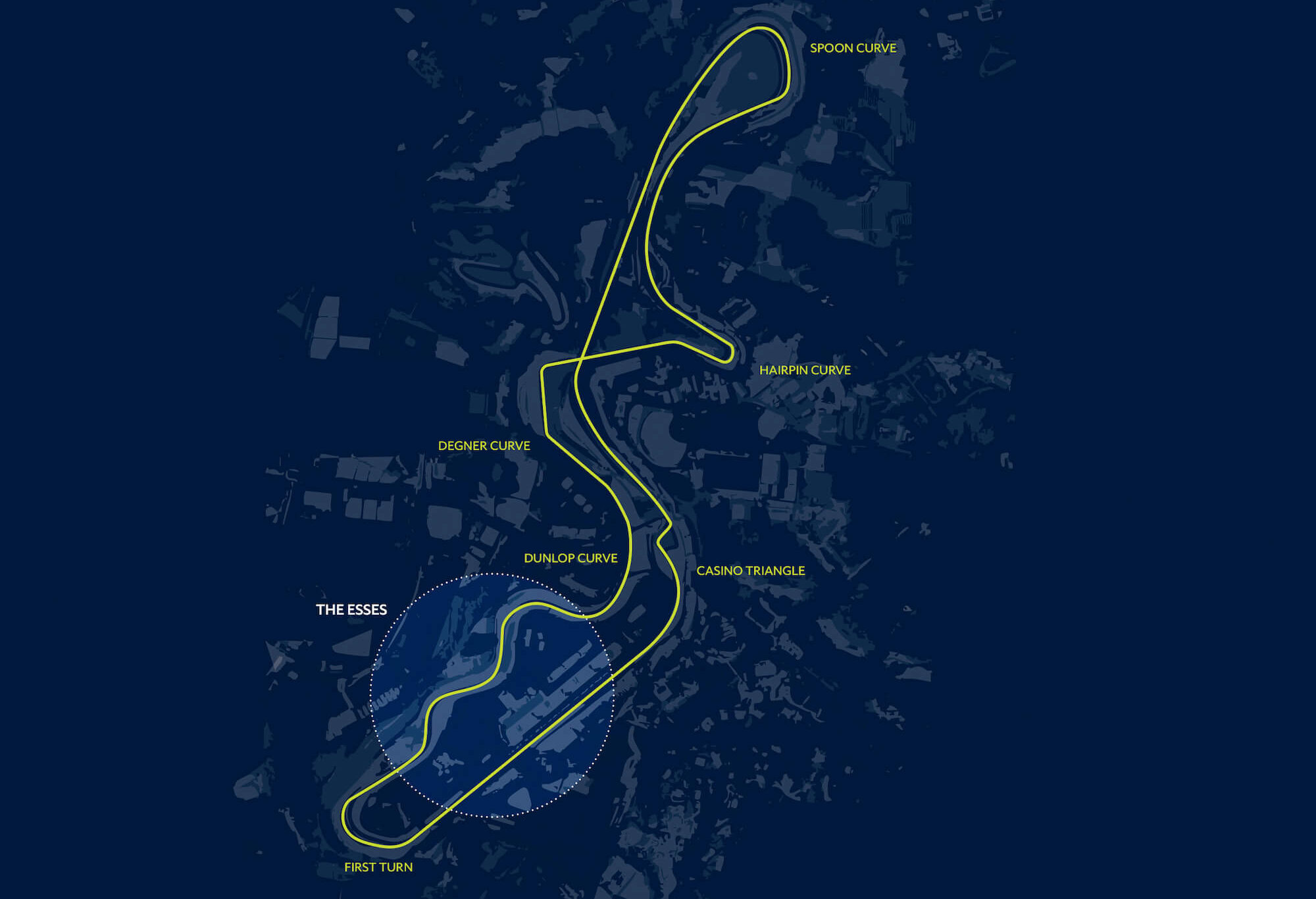
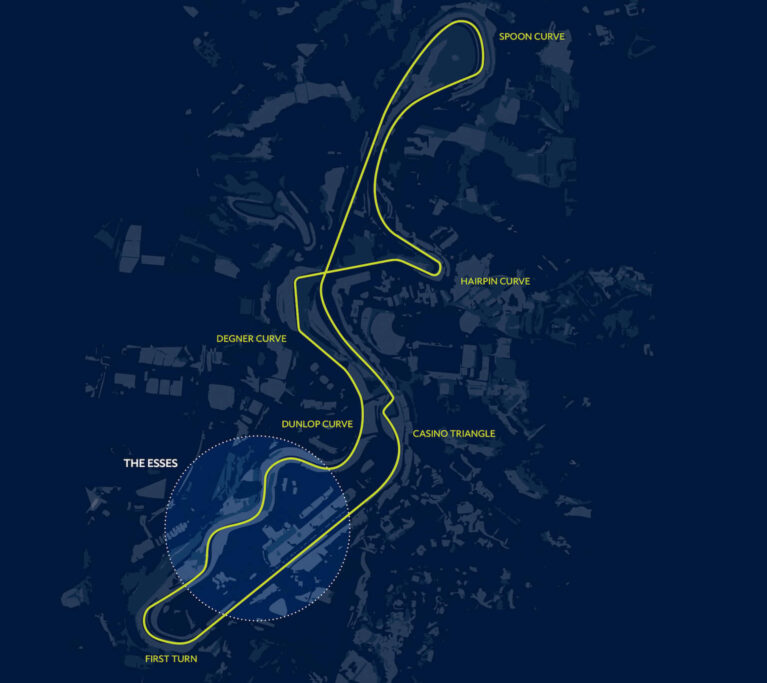
THE ‘ESSES’ AT SUZUKA
Japan’s most significant circuit was designed in the 1960s, and the ‘Esses’ – a sequence of narrow, sweeping corners that dominate the first section of the fast-flowing track – required cars of the time to dramatically decelerate. Today’s racers grip harder and take the turns faster, rising and falling as they do battle with both gravity and huge lateral forces. The ‘Esses’ may not officially be classed as a chicane, but the sequence is so formidable, snaking and sibilant that it more than earns its place on this list.
‘THE CHASE’ AT MOUNT PANORAMA
The home of the Bathurst 1000 is itself also home to the fastest corner in touring car racing. In New South Wales, Mount Panorama’s ‘Conrod Straight’ features ‘The Chase’, a three-turn sequence installed in 1987 that kicks off with ‘The Kink’, an abrupt right-hander descending into a sharp 75mph left turn. One final twist to the right rounds out this chicane – if you’ve made it through, that is. ‘The Chase’ has defeated many good drivers over the years, developing a reputation for rollovers.
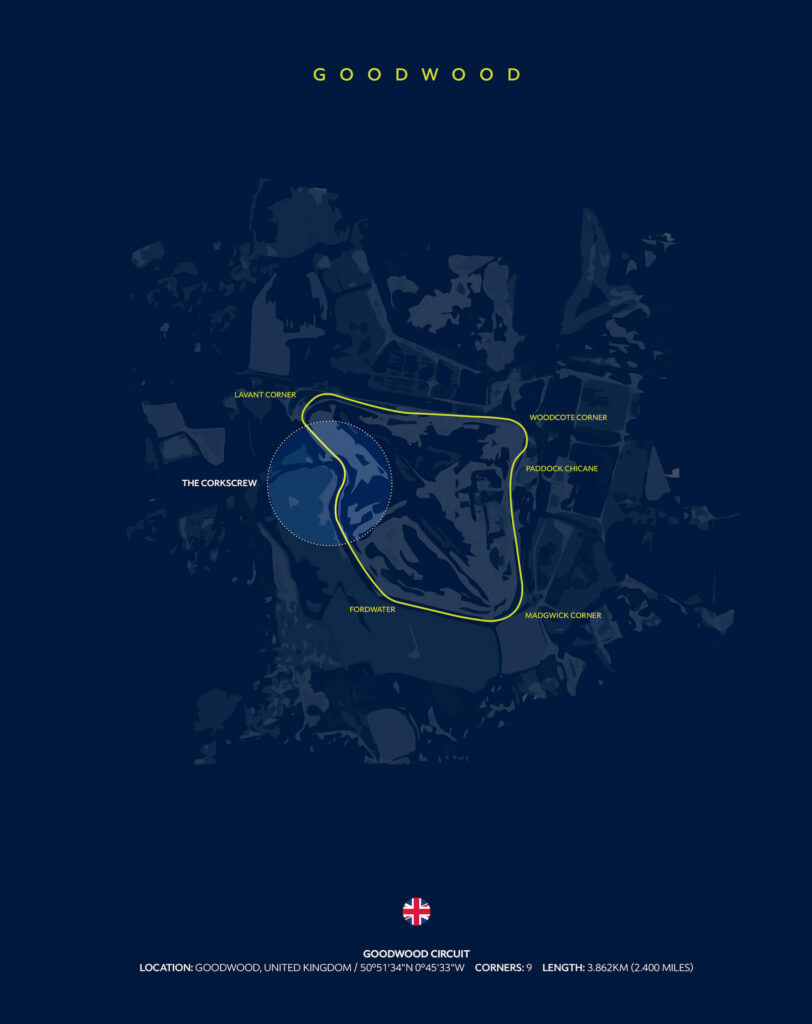
THE ‘PADDOCK CHICANE’ AT GOODWOOD
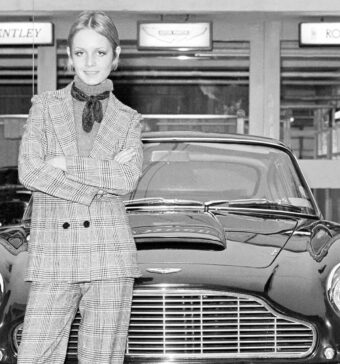
During the early 1950s, when cars, including the Aston Martin DB2, were clocking ever-faster lap times around Europe, the 9th Duke of Richmond grew concerned. His circuit, on the hallowed Goodwood Estate, was not built for such speeds, so to avoid an accident he had a chicane constructed by the pits. Borrowing its visual style from Goodwood’s other sporting commitment – horse racing – the design features imposing brick walls at its apexes, giving it a distinctive look that sets it apart from other chicanes in motorsport.
THE ‘VIRAGE DU RACCORDEMENT’ AT THE CIRCUIT DE LA SARTHE
The ‘Virage du Raccordement’, which is in fact two right-handers in succession, creates one of the most interesting S-shapes of the Circuit de la Sarthe, home of the 24 Hours of Le Mans and a unique blend of permanent race track and public roads, which are closed off for the event. This technical section sees the drivers using the kerbs of the two chicanes to maintain high speed and maximise their time before crossing the finish line. Guests of Aston Martin get a unique view, with the marque’s VIP hospitality handily positioned at its entry.
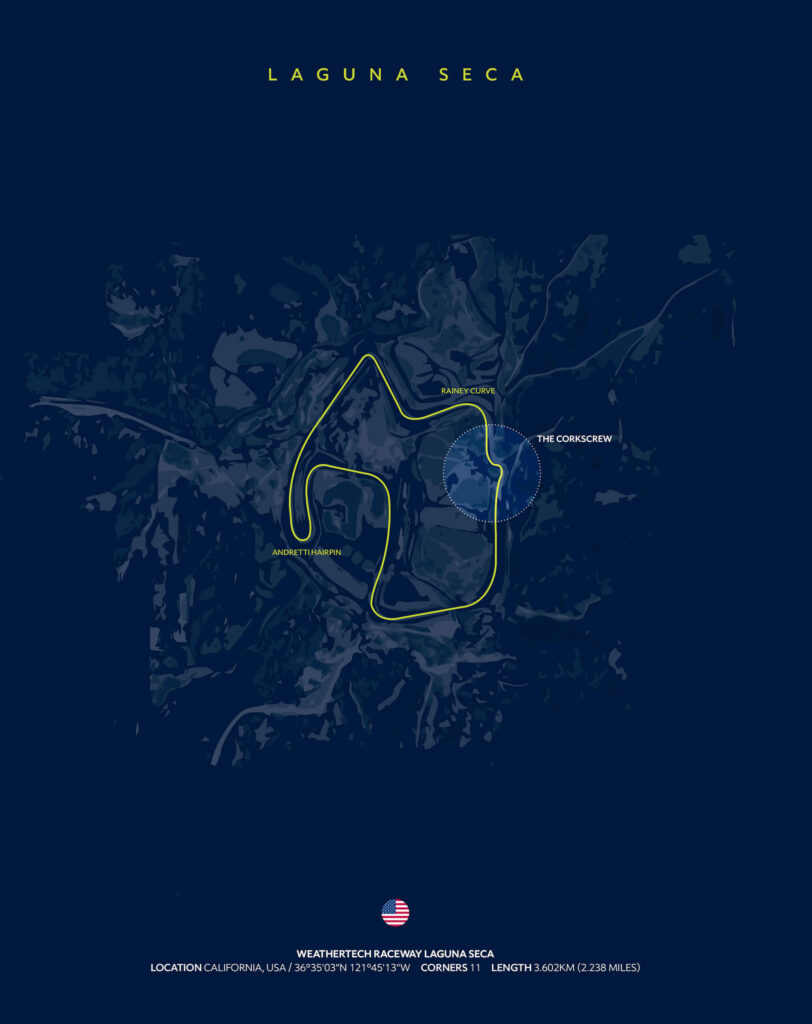
THE ‘CORKSCREW’ AT LAGUNA SECA
California’s best-known track was constructed on the site of a former military base, and has featured the evocatively named ‘Corkscrew’ since the first asphalt was laid in 1957. Considered one of the trickiest, most technical turns in motorsport, the left-right double-apex chicane is notable for its incredibly steep downhill drop – in just over 130 metres, drivers plummet 18 metres. That’s the equivalent of a six-storey drop, before they descend even further downwards for the following turn.
THE ‘SWIMMING POOL’ AT MONACO
While the tunnel section may be the most striking – and deafening – part of the Monaco Grand Prix, Turns 13 and 14, forming the entry to the ‘Swimming Pool’ complex, present drivers with arguably the most daunting moments of the Formula 1® season: blind on entry and requiring inch-perfect precision. The rapid left-right sequence brutally punishes any error with certain contact. Watching drivers attack it at speeds above 120mph, before settling the car and slowing down for the instant, yet tighter and challenging, right-left repeat is to witness pure mastery at work.