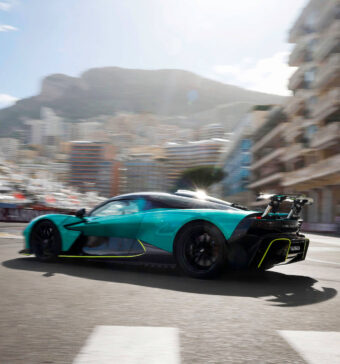




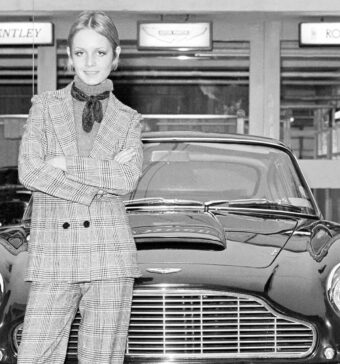


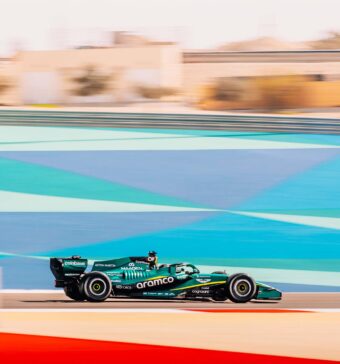
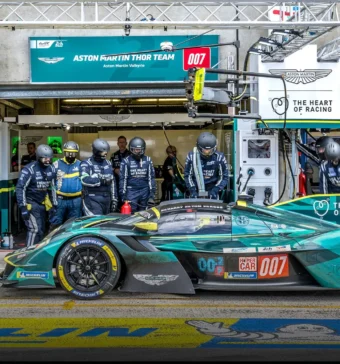





In January 2026, Jing Daily stated that Formula 1® is “transforming the racetrack into the world’s most high-octane runway, where luxury, culture, and style converge at full speed,” citing a growing female fan base, alongside rising Gen Z engagement and the surge of race content across social media.
This momentum certainly accelerated in 2025, aided by Brad Pitt’s portrayal of Sonny Hayes in F1®: The Movie, which helped focus attention on the sport. In May 2025, Vogue editor and stylist Tabitha Simmons shared a photo of herself on Instagram at the Monaco Grand Prix. Of the experience, she said: “I found it really invigorating, very glamorous and fun,” adding that it inspired her to watch all seven series of Formula 1: Drive to Survive on Netflix “back-to-back”. On a more granular level, Esme Buxton, a photographer and F1 fan, launched The Paddock Journal, a women-led editorial magazine that exists in print, on Instagram and Substack. “The female fan base makes up 45 per cent, and they are very engaged,” explains Buxton. Cassidy Towriss, wife of F1 driver Dan Towriss, was featured as the cover star of the inaugural December 2025 print issue, while the PUMA Speedcat’s ‘must-have status’ is cemented in another feature. But more on the influences of this seminal F1-inspired shoe later.
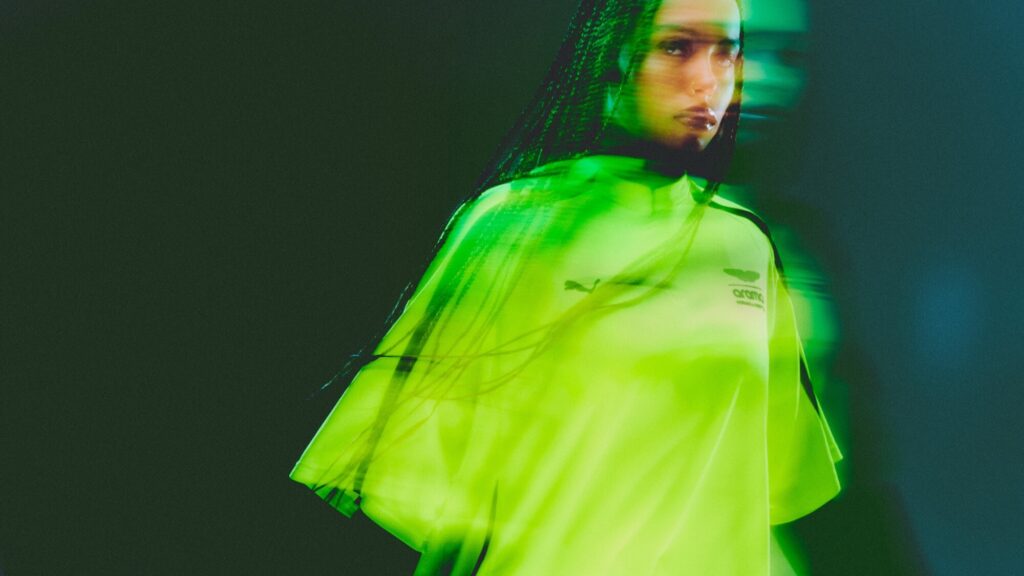
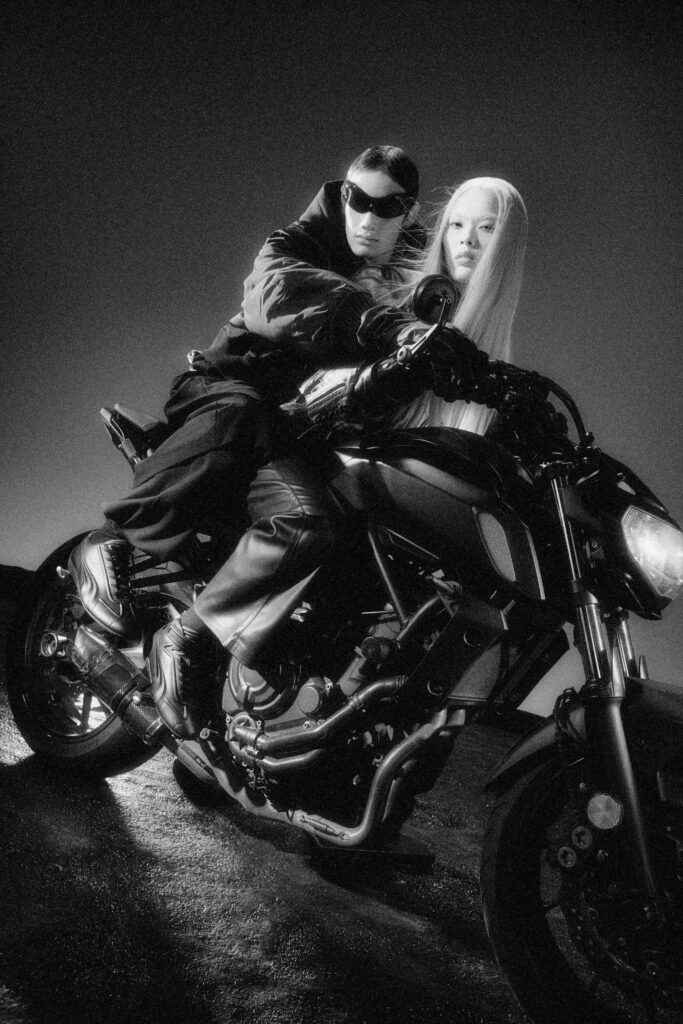
One of the most visible ways Formula 1® has transcended the paddock is through Motorcore, as this nascent style has come to be known, which combines protective-style gear, bold colour palettes and racing motifs. Lately, brands that show on the runway – including Gucci, Jil Sander, Supreme, Ottolinger and Tommy Hilfiger – have flirted with this high-octane aesthetic, which also harks back to the Y2K era, when trends like colour blocking, logos, utility jumpsuits and leather pieces were en vogue.
It was during this period that sportswear brand PUMA introduced a defining design staple: the Speedcat. Launched in 1999 as a lifestyle iteration of the ultra-slim, fireproof footwear PUMA had designed for Grand Prix drivers throughout the 1980s and 1990s, the Speedcat quickly became a street-style icon, cementing its place at the forefront of the Motorcore movement. Over 25 years later, it is PUMA’s “most sold sneaker to date,” according to Footwear News.
Olie Arnold, former style director at Mr Porter and now a menswear stylist and creative consultant, recalls the launch of the original shoe: “I was fascinated by this very technical product used in a professional capacity. Then, through styling and communication, it crossed over and appealed to a fashion customer. It was one of the first times in motorsport where a product inspired a trend. Now we are seeing a resurgence of the shoe and slimmer silhouettes in general, which is a reaction to the maximalist aesthetic when designer brands like Balenciaga and McQueen in late 2018 produced futuristic-looking sneakers with very chunky soles.”
Shoes like the Speedcat, along with other designs that originated in the Y2K era, are now shaping broader footwear trends, including in the luxury trainer space. Take the Pamplona, offered in denim, white or green recycled parachute silk – a silhouette that designer Rupert Sanderson describes as ‘lo-fi’.
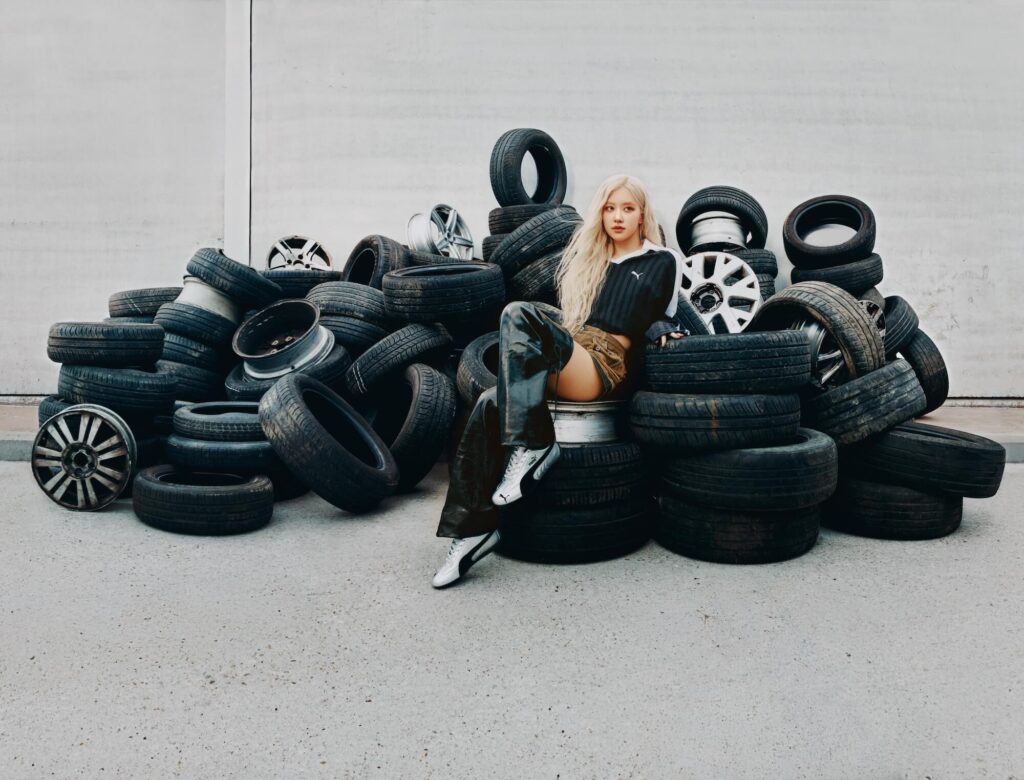
Over the years, the Speedcat’s silhouette has stayed minimal, but its design has grown sleeker, the colourways more playful, and the materials more luxurious. And it’s not just for men. ‘It’ girls, from Bella Hadid to Jennifer Lawrence, have been spotted wearing Speedcats, and global style icon and K-pop sensation Rosé collaborated with PUMA on her own versions of the Speedcat Ballet and Speedcat OG Premium. Its popularity has also sparked a wave of designer collaborations, including with Juun.J and Balenciaga.
“Designer collaboration trainers entered fashion in force in the 2010s and whipped up a storm,” explains Harriet Quick, author of Vogue: The Shoe. “The trend fragmented in this decade with collaborations into more specialist areas of sports footwear, including hiking/trek boots and sandals. That exploration continues with the Motorcore style as F1 enjoys a new glamour moment in fashion and society. The Balenciaga x PUMA Speedcat is a great design with the torn logo signalling distress and love-worn decay.”
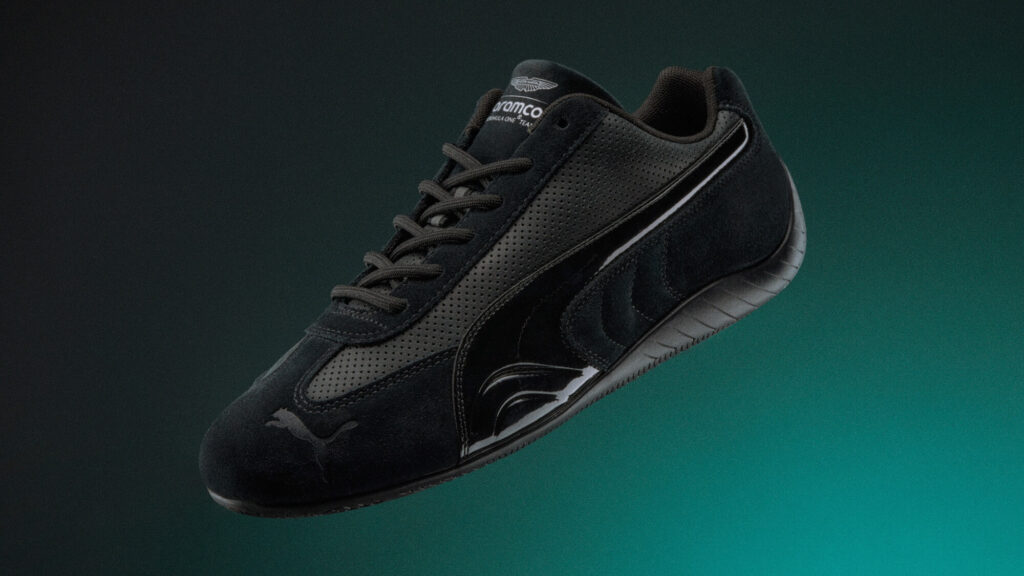
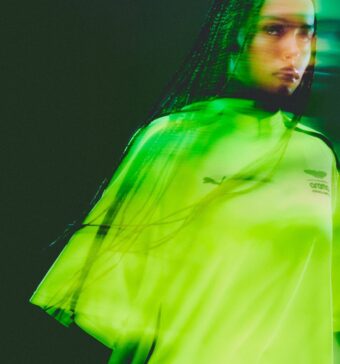
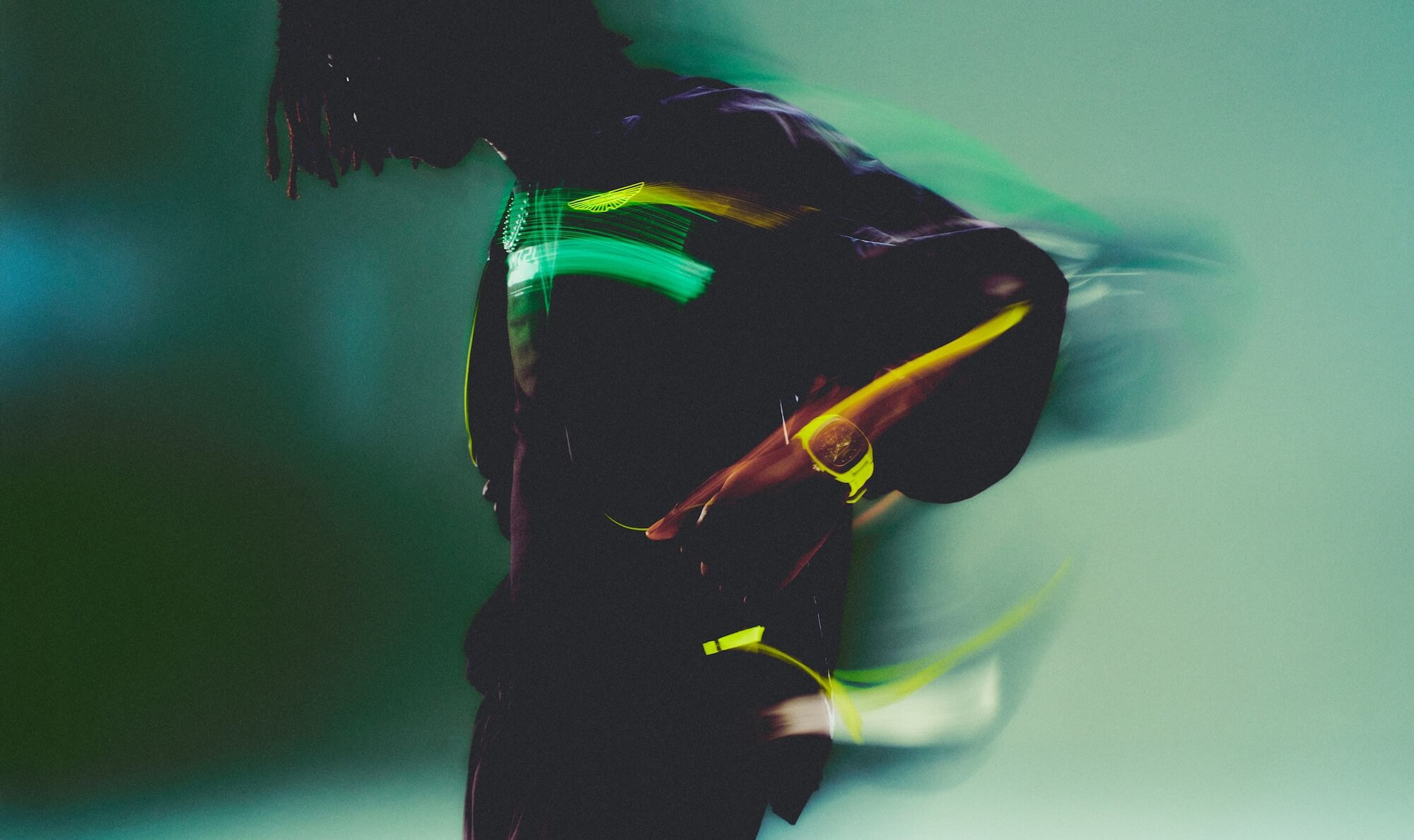
PUMA’s role as the official technical, sportswear, and athleisure partner of the Aston Martin Aramco Formula One™ Team now brings the Speedcat full circle. Headlining the fanwear collection born from this partnership – which honours the unsung heroes at the AMR Technology Campus and draws inspiration from workwear – the PUMA x ASTON MARTIN ARAMCO F1® TEAM Speedcat unisex sneakers are a stealthy all-black take on the silhouette, featuring a mix of perforated leather, suede and glossy patent Formstrip detailing.
“We like speed, we like sport, we like driving,” Stefano Favaro, PUMA’s Creative Director for Apparel and Footwear in Teamsport and Motorsport, has said. “We’ve always pushed the Speedcat because it’s our DNA, our soul, our core.” As the Aston Martin Aramco Formula One™ Team pushes forward in its 2026 campaign, fans can now put their best foot forward wearing one of PUMA’s most enduring designs – a sneaker that’s far more than a passing trend.