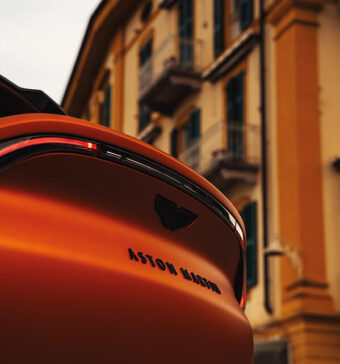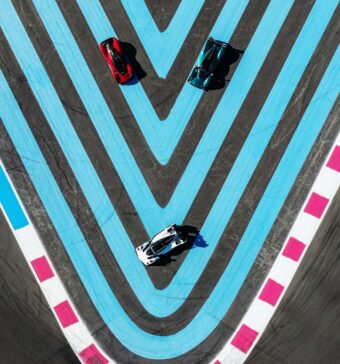
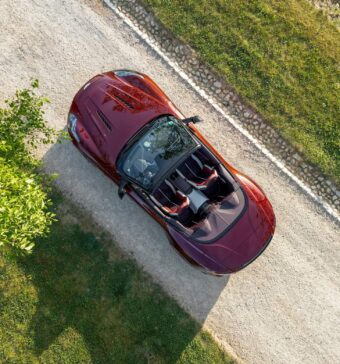

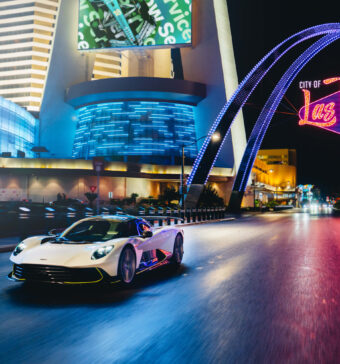
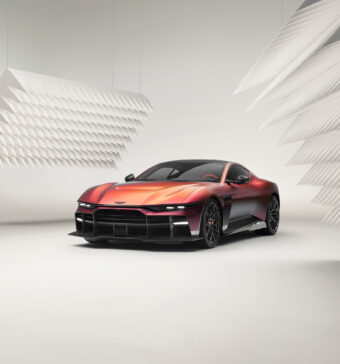
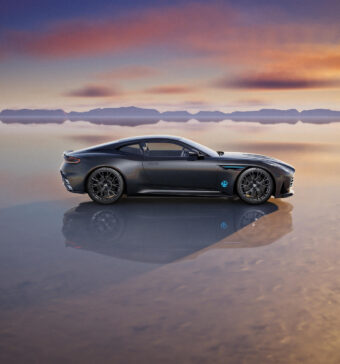
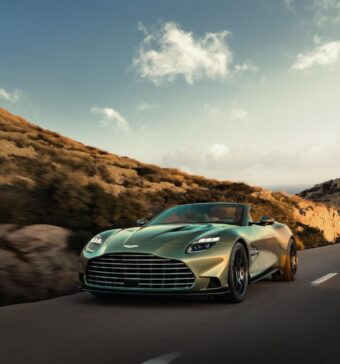
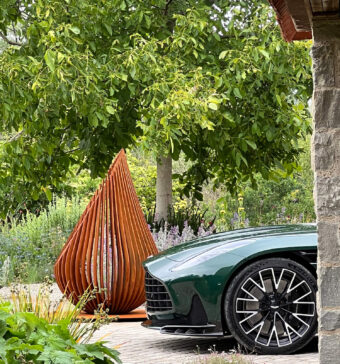



Every Aston Martin is special, but some – to misquote Animal Farm – are more special than others. These are the Aston Martins produced in tiny quantities. As rare as unicorns, and to an enthusiast’s eyes, even more beautiful. These are the Aston Martin specials, cars that keep the engineers at Aston Martin’s Special Vehicle Operations (SVO) and designers in the Q by Aston Martin department working late into the night.
“We’re merely custodians of the current era, and the weight of the brand is on you, as is the expectation that our specials should transcend any marque,” explains Alex Long, Managing Director of SVO at Aston Martin. “They have to be cars that will be at concours events for years to come.”
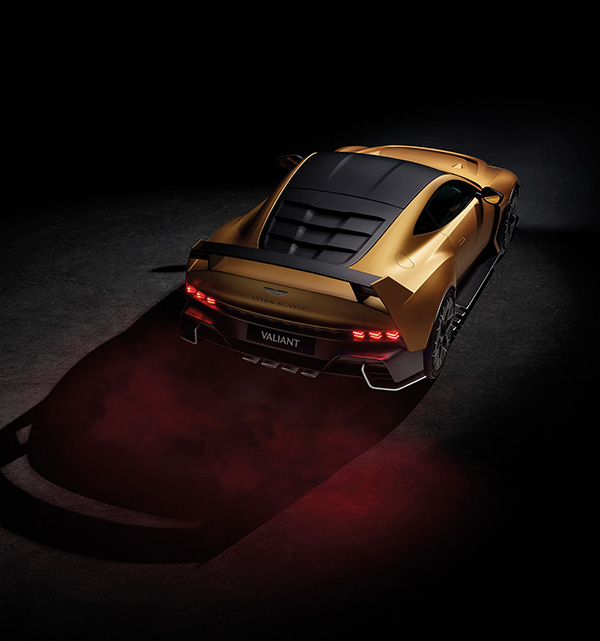
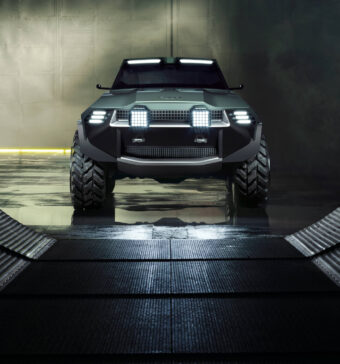
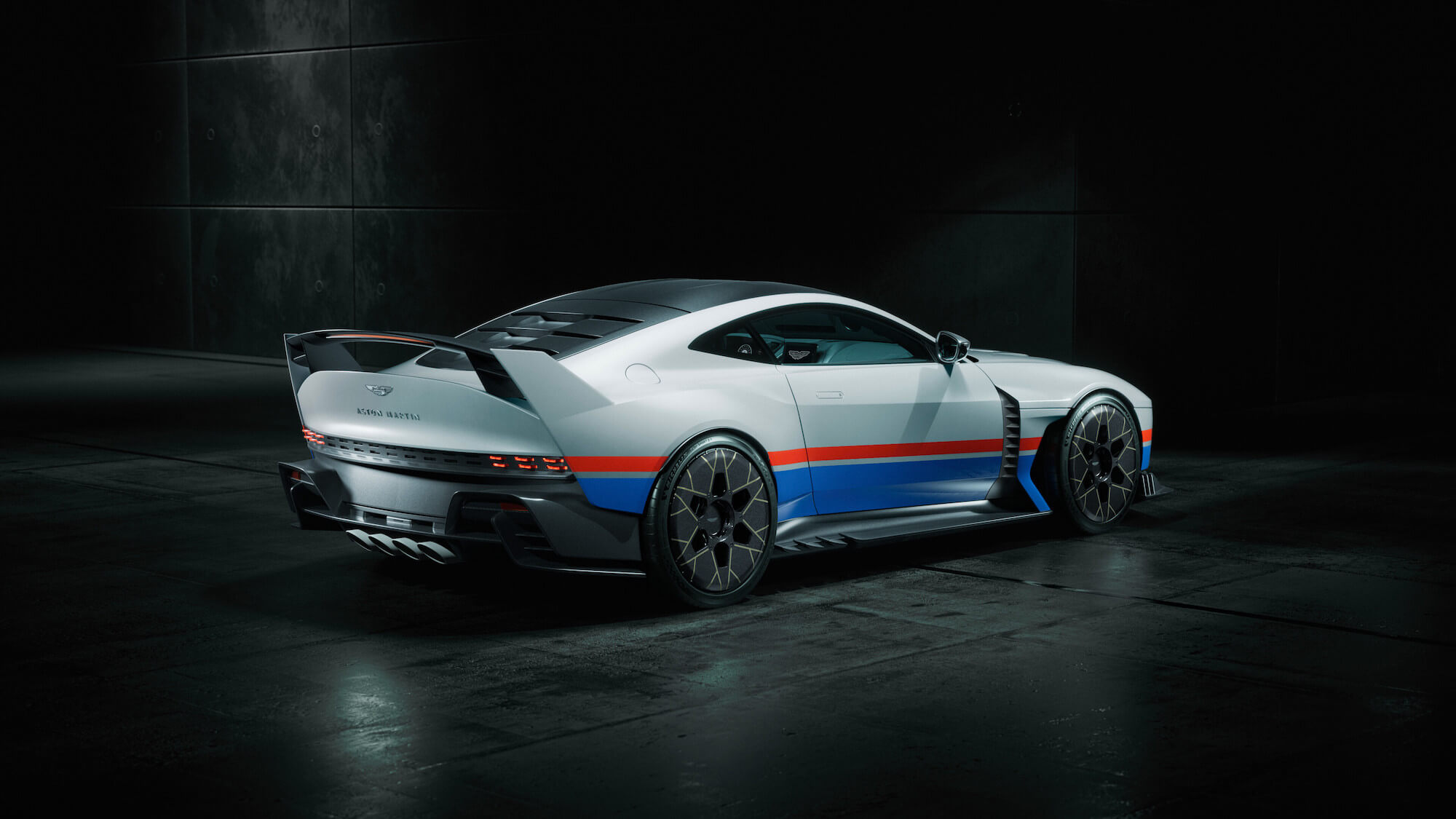
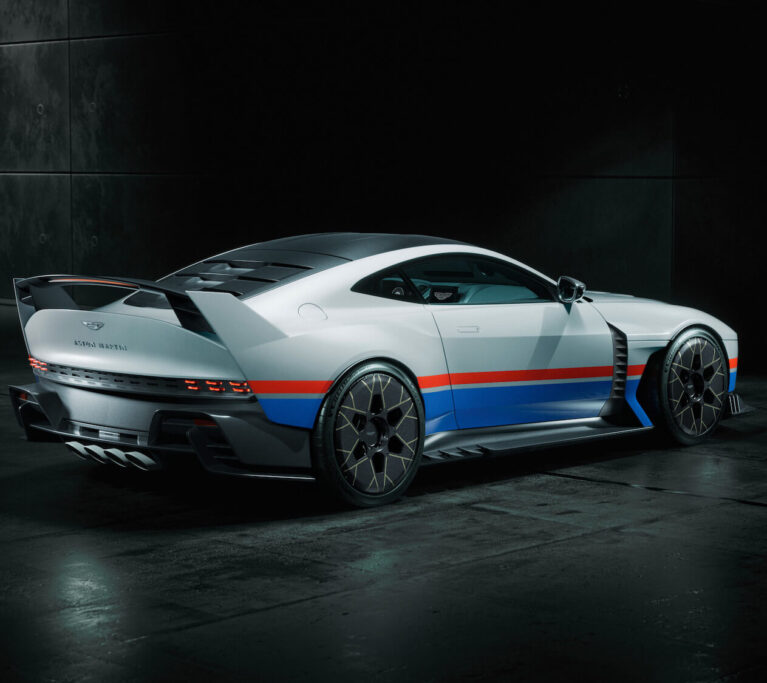
Cars like the one-off Victor, created in 2020 as a tribute to the 1980s and the man who steered Aston Martin through them. Or Valour, created to commemorate 110 years of Aston Martin and reconnect to a time when ‘traction control’ was simply your right foot on the throttle. Such projects inspired further commissions; when Formula 1® driver Fernando Alonso asked for a more track-focused version of Valour, the result was Valiant, the most extreme front-engined road car ever built by Aston Martin. It’s road legal, but lives for the track.
Halo models? Perhaps. But there’s more than a little devil in them.
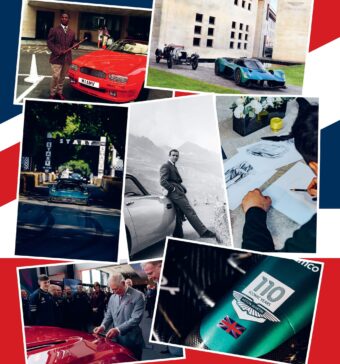
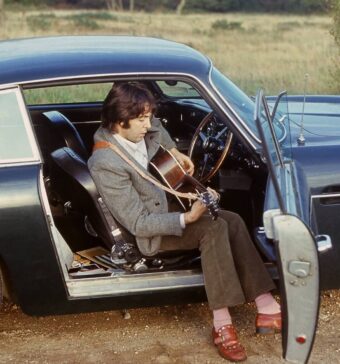
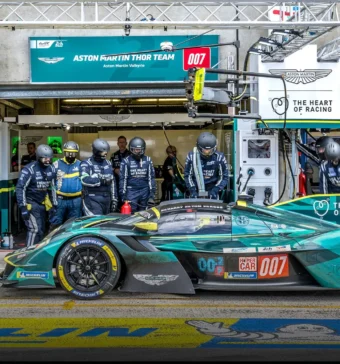
The story starts with Victor Gauntlett, the man with the name of a comic book hero, who steered Aston Martin through tough times. He was the man who put James Bond back behind the wheel of an Aston Martin, and whose other business, Pace Petroleum, helped place Aston Martin back on the Le Mans starting grid.
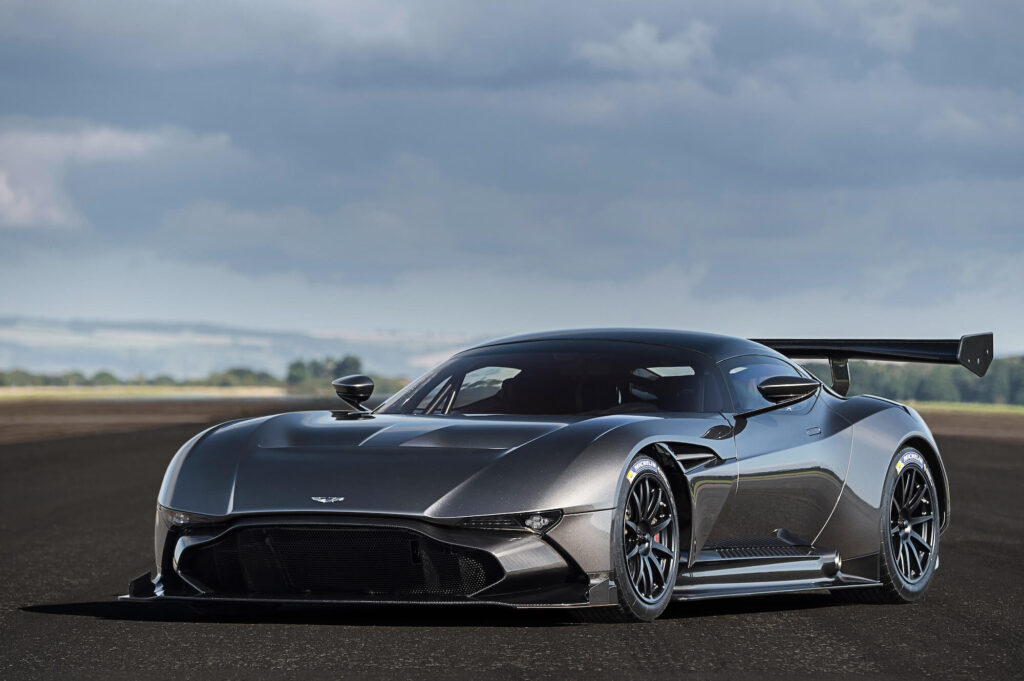
Gauntlett’s era coincided with the V8 Vantage, the UK’s first 170mph supercar. Its long bonnet, coke-bottle profile and hooded round headlamps inspired Victor, named in honour of Gauntlett. This was a one-off creation, based on the track-only Vulcan, which was itself based on the One-77, Aston Martin’s first front-engined V12 supercar, and the car that changed how the company thought about specials.
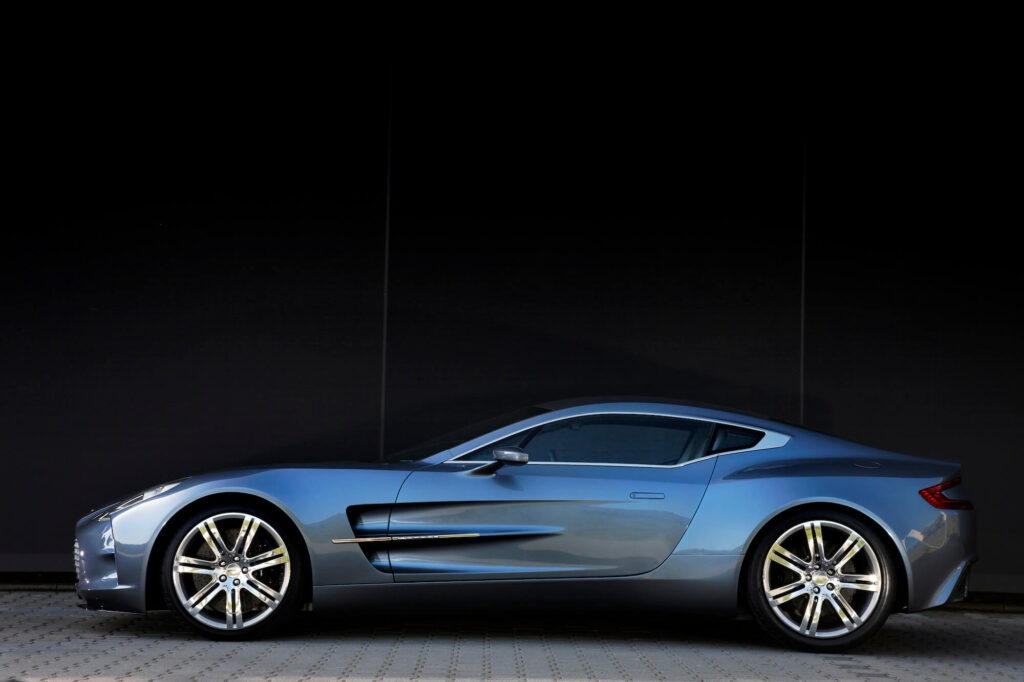
“One-77, in my opinion, is the first special where the company sought to really engineer difference into the cars, as opposed to just doing coachwork”, adds Long.
Victor pushed that thinking further, and with a Cosworth-fettled 7.3-litre V12 developing 836bhp driving the rear wheels and a six-speed manual gearbox, it was, to quote Top Gear, “…the hypercar the Eighties never had”. Their conclusion: “The Victor is possibly the finest one-off ever created.”

A one-off the Victor may have been, but its impact was dramatic. The retro-futuristic styling and brutal front-engine, rear-drive powertrain awakened a yearning among customers for a supercar just like the one many of them dreamed of in their teens, but with another 40 years’ worth of performance technology under the skin.
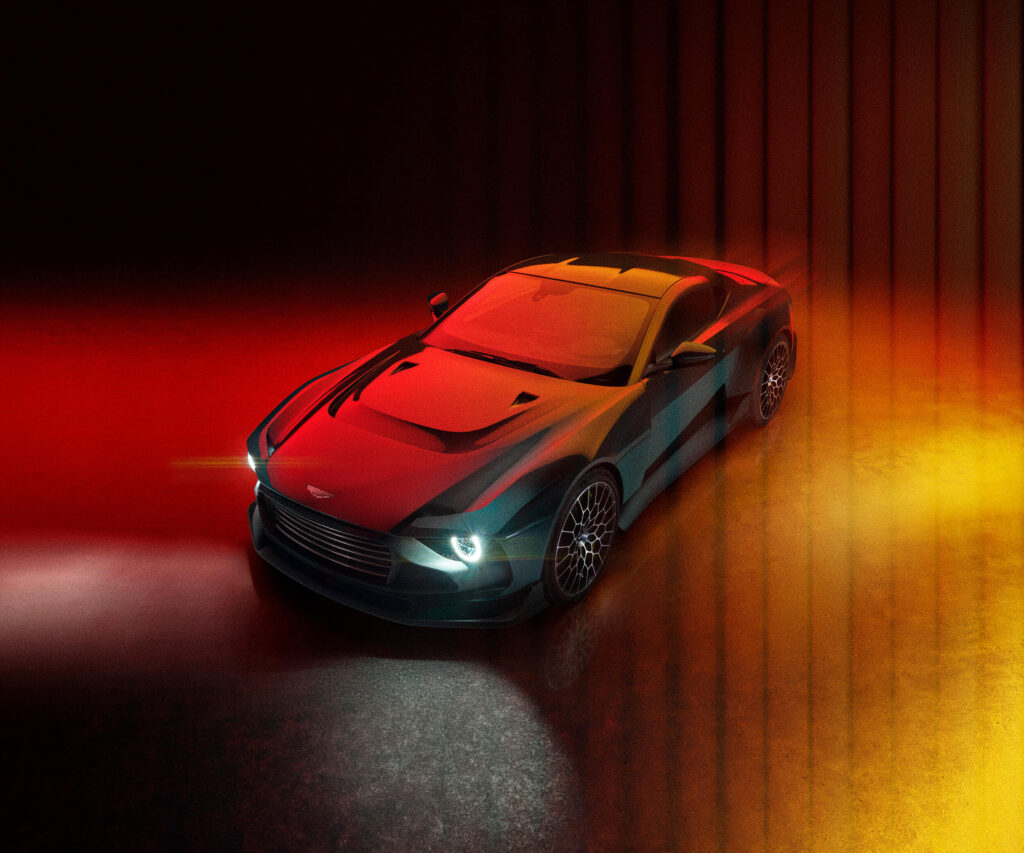
“The reaction to Victor was incredible,” reflects Long, “and that did eventually lead to Valour.” An emotive tribute to Aston Martin’s best-loved sports cars of the 1970s and 1980s, Valour’s design was inspired by the AMV8-based RHAM/1 ‘Muncher’ racer that thrilled Le Mans in 1977. Yet it took full advantage of 21st-century materials; the extreme aero bodywork with its NACA-style bonnet air ducts, ‘exoblade’ rear screen and Kamm tail are crafted in lightweight carbon-fibre, not 80’s steel.
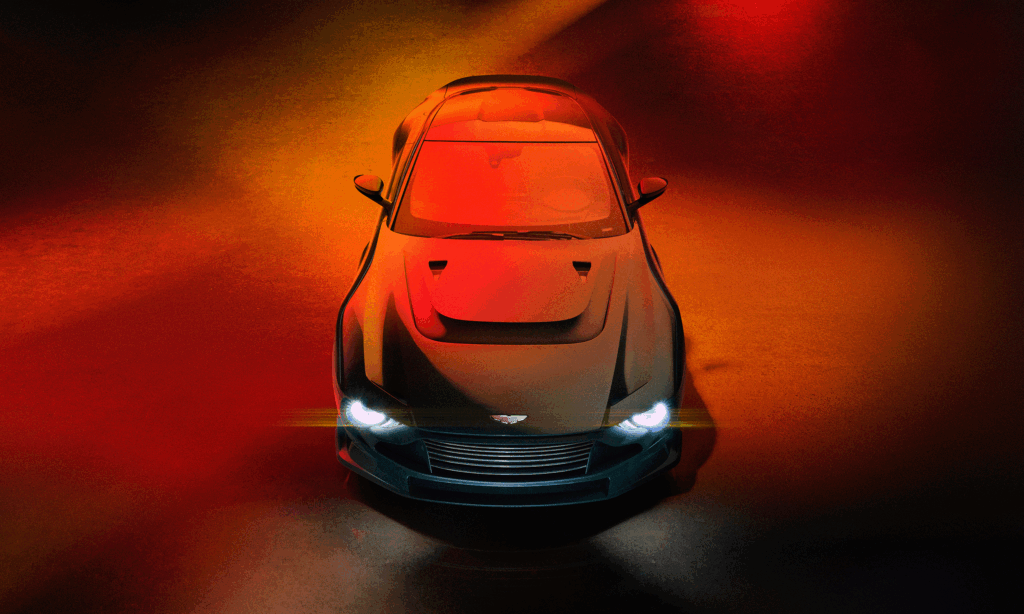
“There are lots of new car companies around the world, but you can’t invent the history we are very lucky to have at Aston Martin,” Long says. “Valour was inspired by our cars of the late 70s, but then modernised in a really dramatic way. There were cues from that era, but it wasn’t a retro pastiche. It was a very clever piece of design.”
Valour was brawny, raw and retro. Its twin-turbocharged 5.2-litre V12 delivered 715PS and drove the rear wheels via a bespoke manual transmission and mechanical limited slip diff. There was no e-motor assistance, and no software to nanny the driver: if you needed lane keep assist to keep you on track, Valour wasn’t for you. In an increasingly digital age, it offered an analogue driving experience, a car that took skill and courage to master. Created to celebrate 110 years of Aston Martin, all 110 of the limited-edition vehicles found owners. In fact, Aston Martin was over-subscribed.

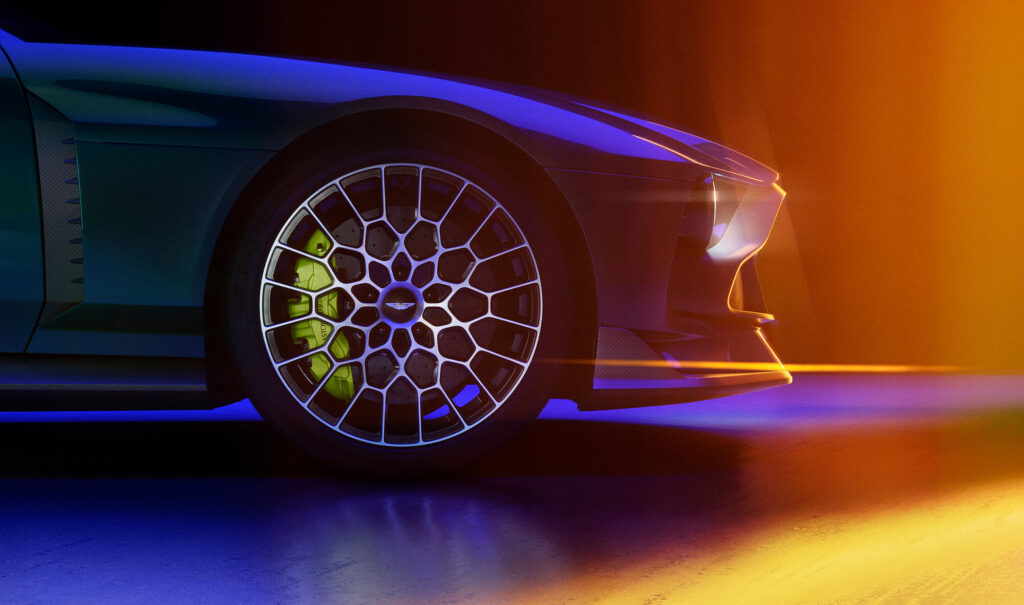
Like all Aston Martins, Valour was driven by customer demand. So when one customer commissioned an extreme, race-inspired version, the team listened. The customer in question was two-time Formula 1® World Champion and Aston Martin Aramco Formula One Team™ driver Fernando Alonso. The product of that collaboration was Valiant, the most extreme, front-engine, road-legal Aston Martin ever built.
“All specials are difficult, because that’s the whole challenge,” reflects Long. “Valiant was incredibly difficult because we adopted new technology, including Multimatic ASV dampers, a first for any production car.”
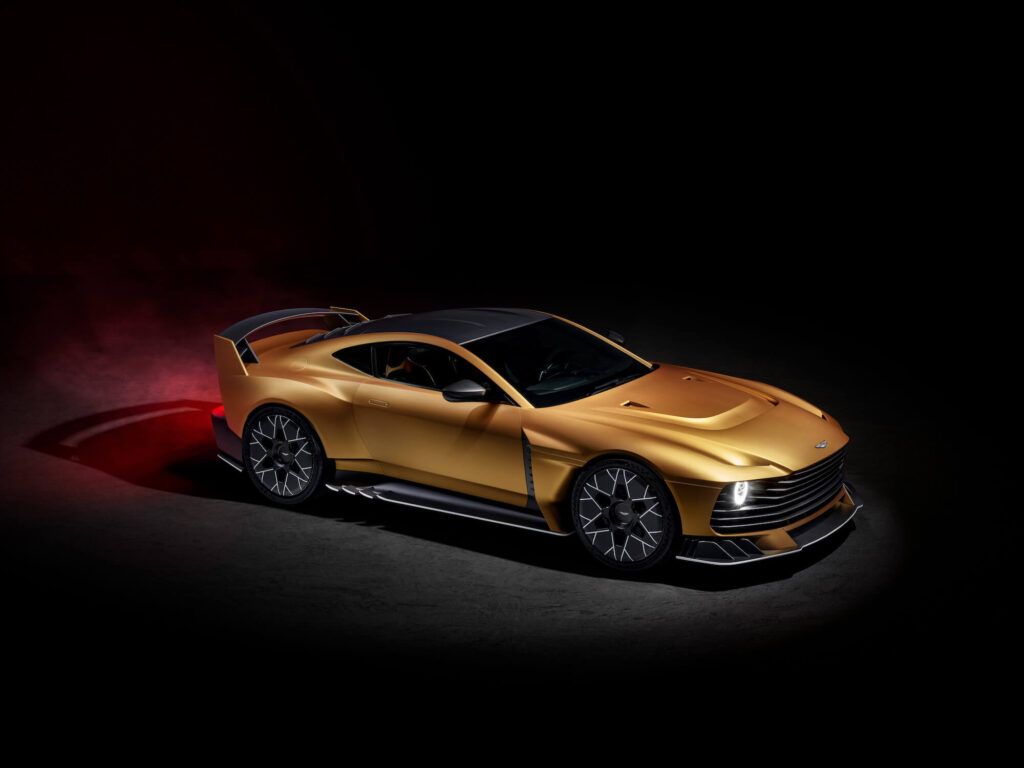
Power from Valiant’s 5.2-litre twin-turbo V12 peaked at 745PS. The front splitter and massive rear spoiler developed 383kg of downforce. Race-inspired features included exposed gear linkages, a half cage, magnesium wheels with carbon-fibre aero covers, and a quad titanium exhaust. A 3D-printed rear subframe and magnesium torque tube all contributed to a significant mass saving of 113kg. Days after its launch, all 38 limited edition models were snapped up.
Is Valiant the ultimate Aston Martin special project? For now, perhaps.