






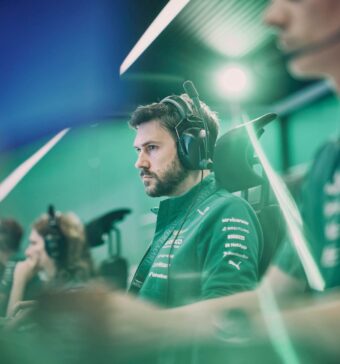


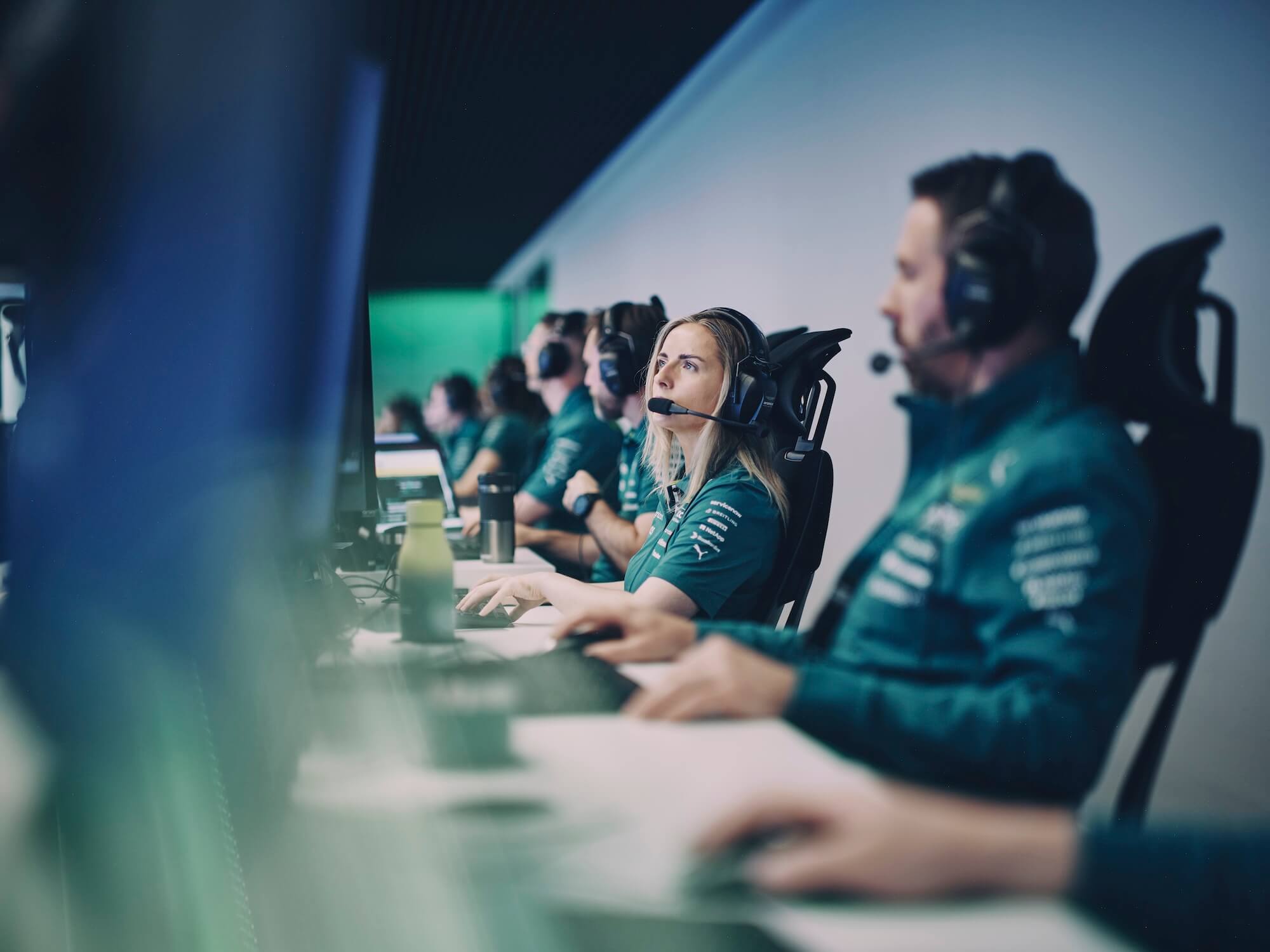
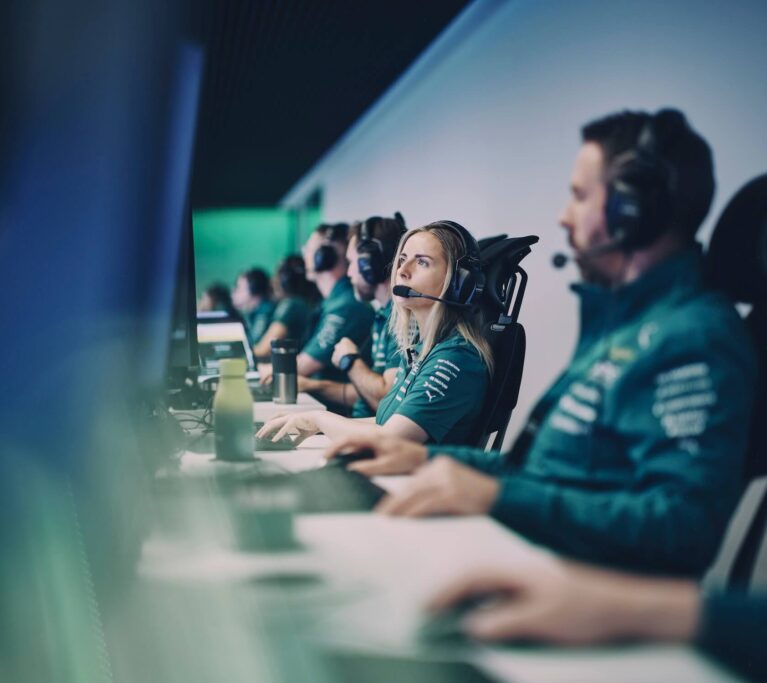
Deep within the heart of the Aston Martin Aramco Formula One™ Team’s AMR Technology Campus, there is a room that, during race weekends, is the most important in the entire Silverstone facility. To get to it, you walk past the glass-panelled lobby and through the spine of the factory, with brightly lit rooms lining either side, filled with high-tech machinery and busy team members. Walk up to the second floor, and it’s there, a nondescript door with no markings or indications as to what goes on inside. Get buzzed in, and the three large screens up front give it away. This is Aston Martin Aramco’s Mission Control room, where, for every grand prix weekend, the factory assists the drivers, engineers and personnel on the ground.
It didn’t always look this way. Up until recently, the team had been using a factory originally built for Jordan Racing in 1991. But following Lawrence Stroll’s $200 million investment in the new Silverstone headquarters, everything changed. The first phase of the development was finished in 2023, housing the team’s design office and manufacturing. The second building opened in mid 2024, which included the new simulators as well as a wellness centre and auditorium. And in 2025, the wind tunnel became operational, completing a series of investments that have transformed the team’s operations and turned them into a full works outfit.
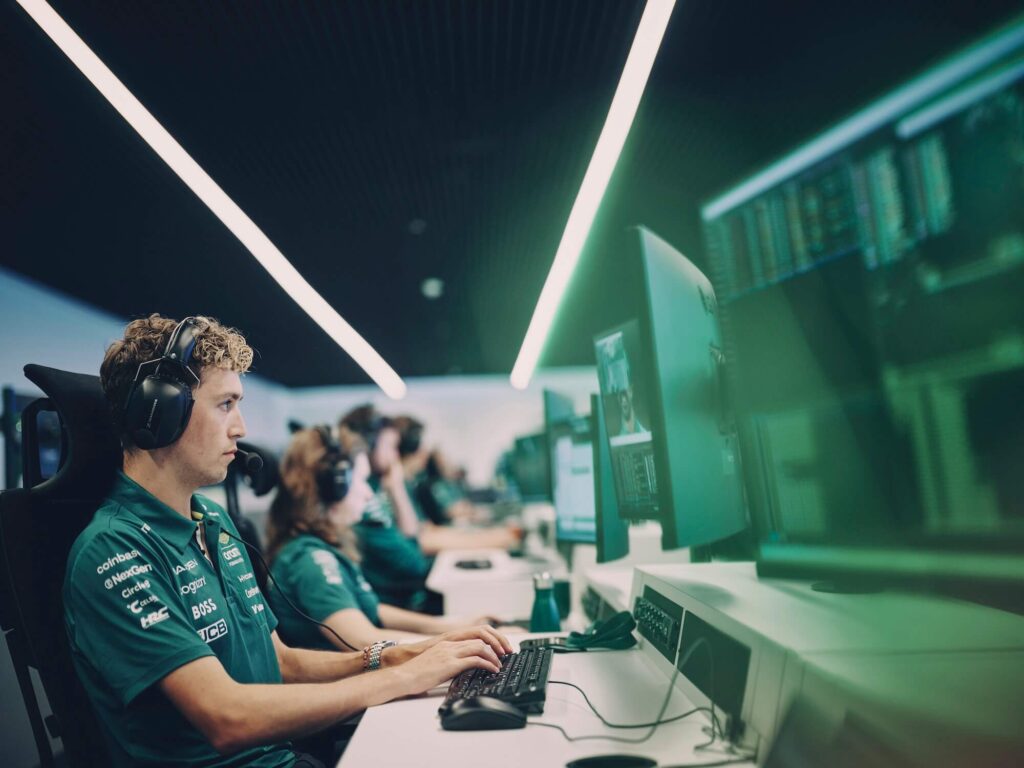
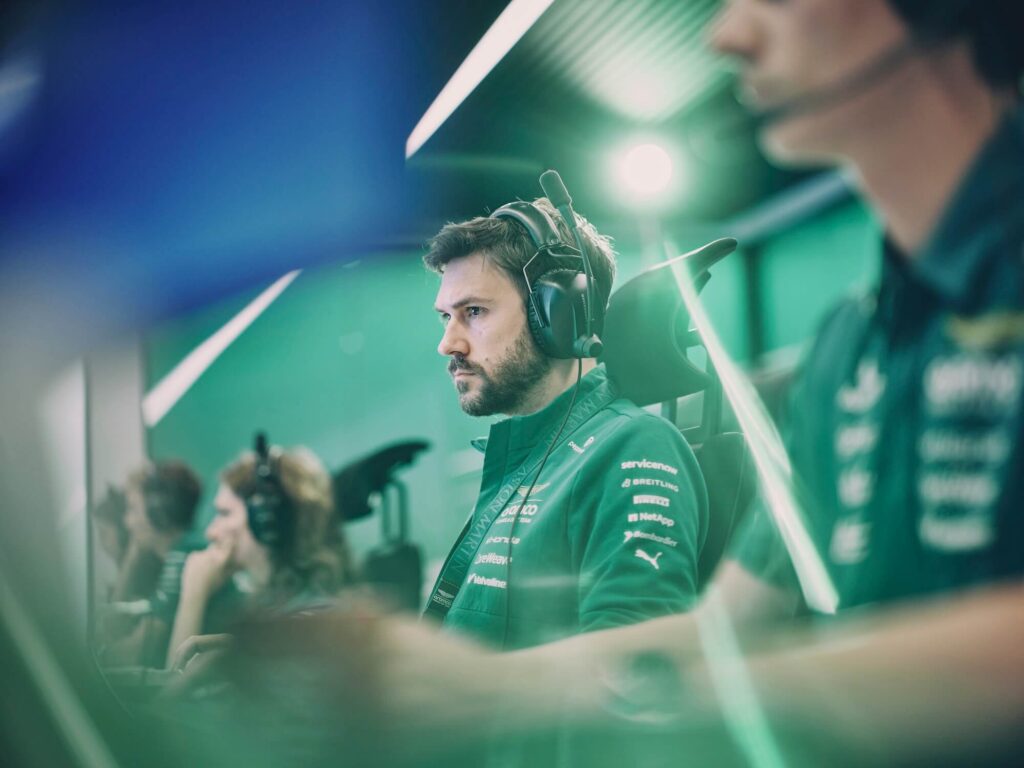
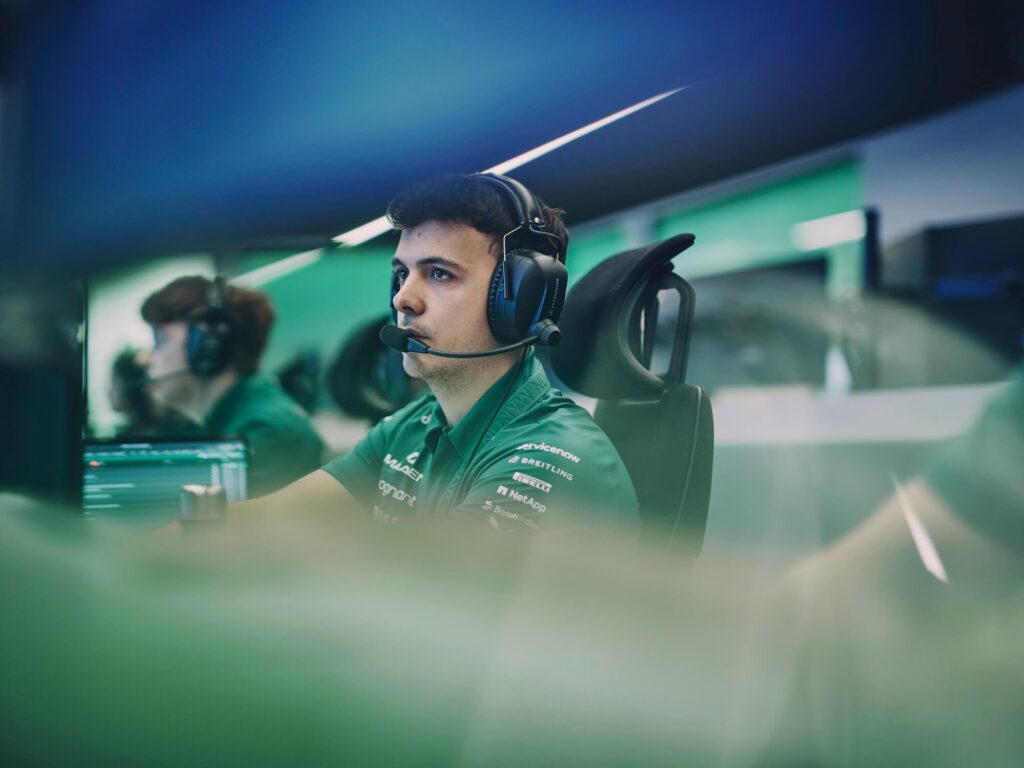
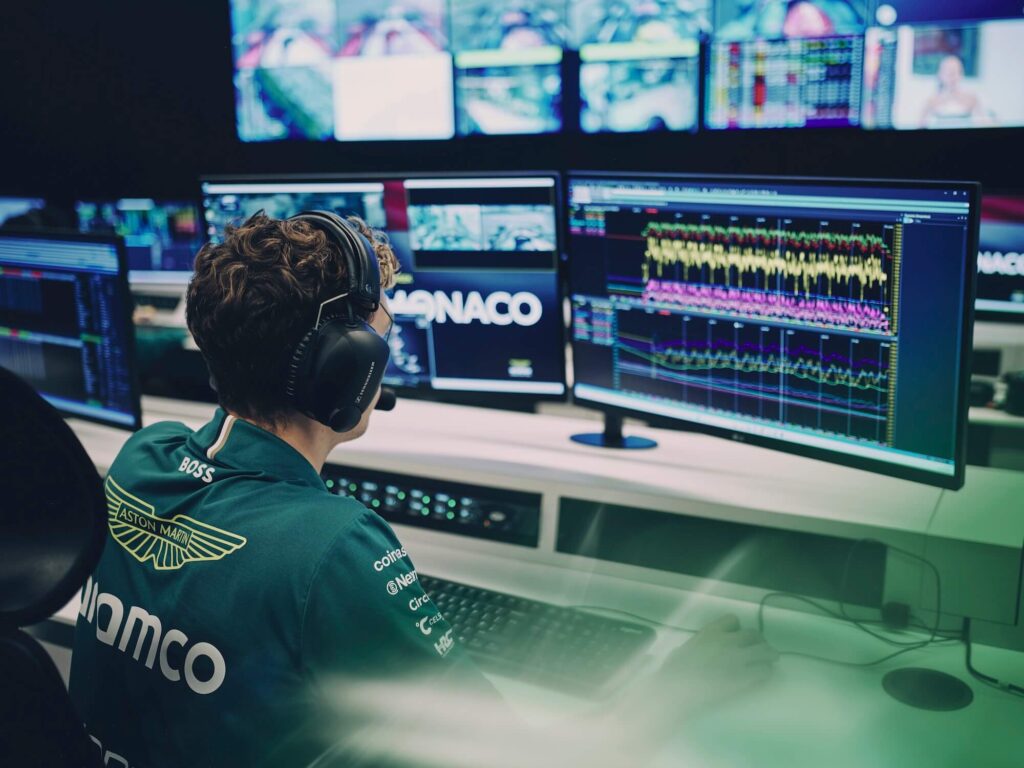
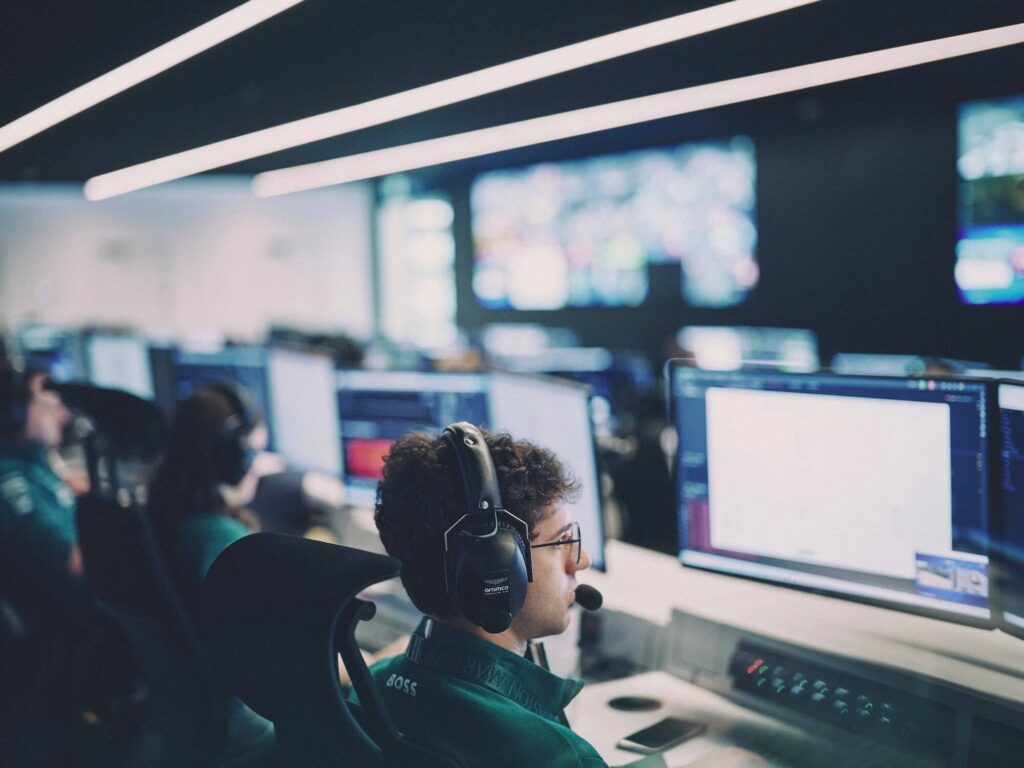
The new Mission Control centre was part of the redevelopment, and it plays a bigger part than ever. Aston Martin Aramco currently employs around 1,000 people, most of whom are based at the 37,000 square-foot AMR Technology Campus. This is nearly double the roughly 535 employees prior to 2021. Around 50 team members make up Mission Control.
There are a lot of moving parts during a race weekend, and those on the ground often have to make split-second decisions that directly affect race results. While the race engineers and drivers themselves are well-seasoned at making on-the-fly choices, they often rely on Mission Control to help steer them in the right direction. From analysing data to tracking the weather, they can advise on pitstop timings, analyse rival team radio messages and suggest optimal strategies on the go, all from a room that most fans will never see.
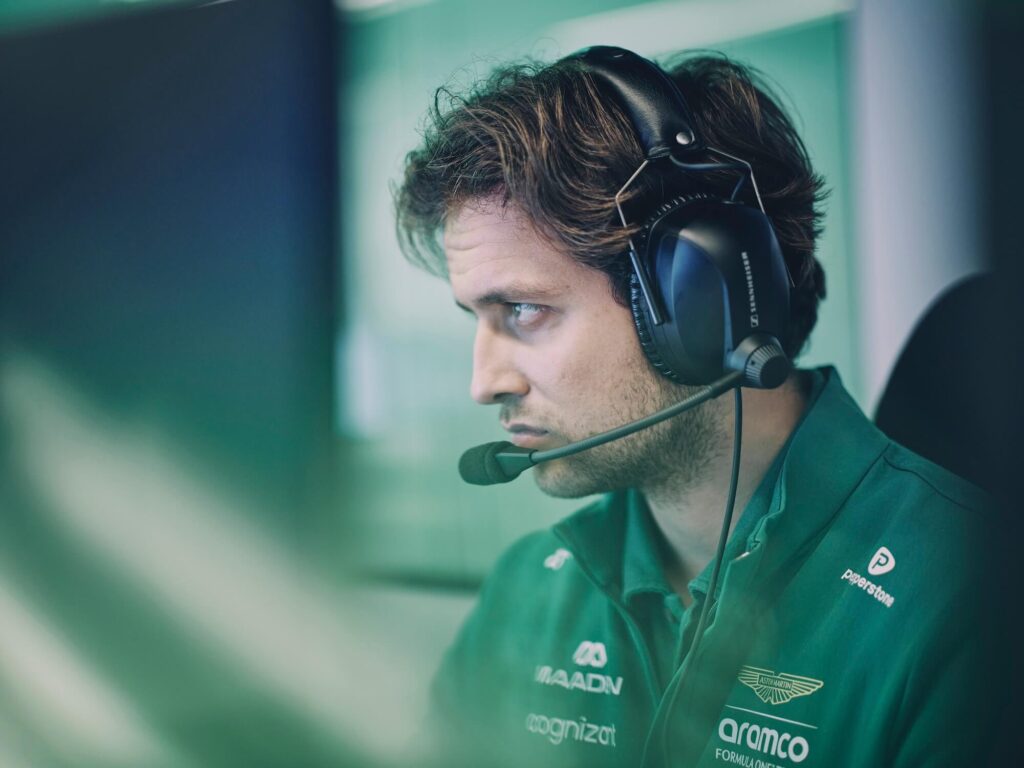
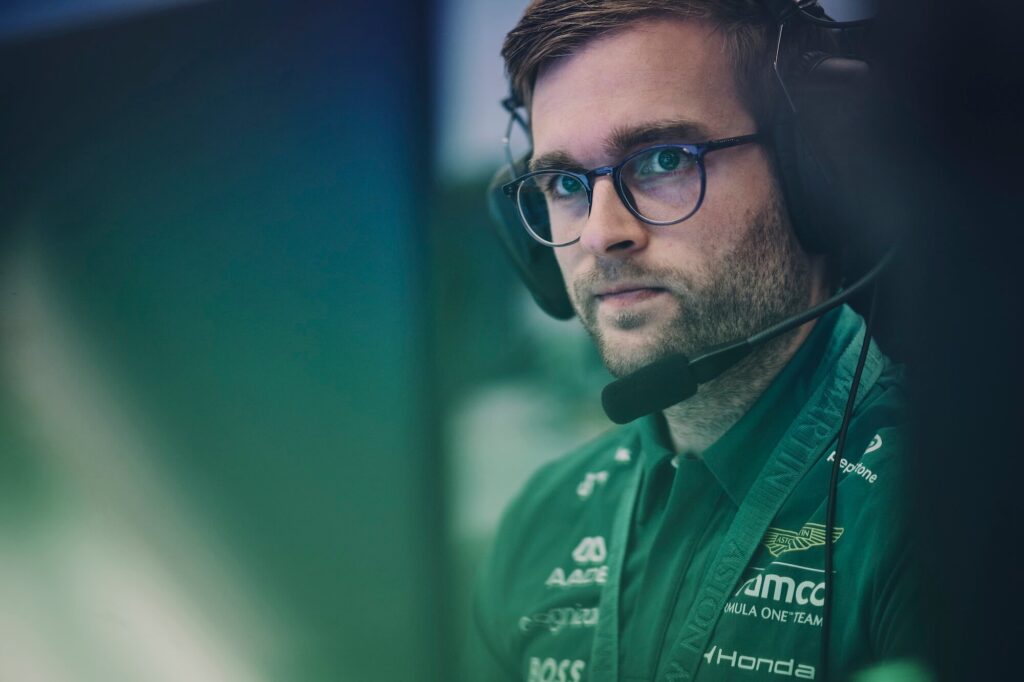
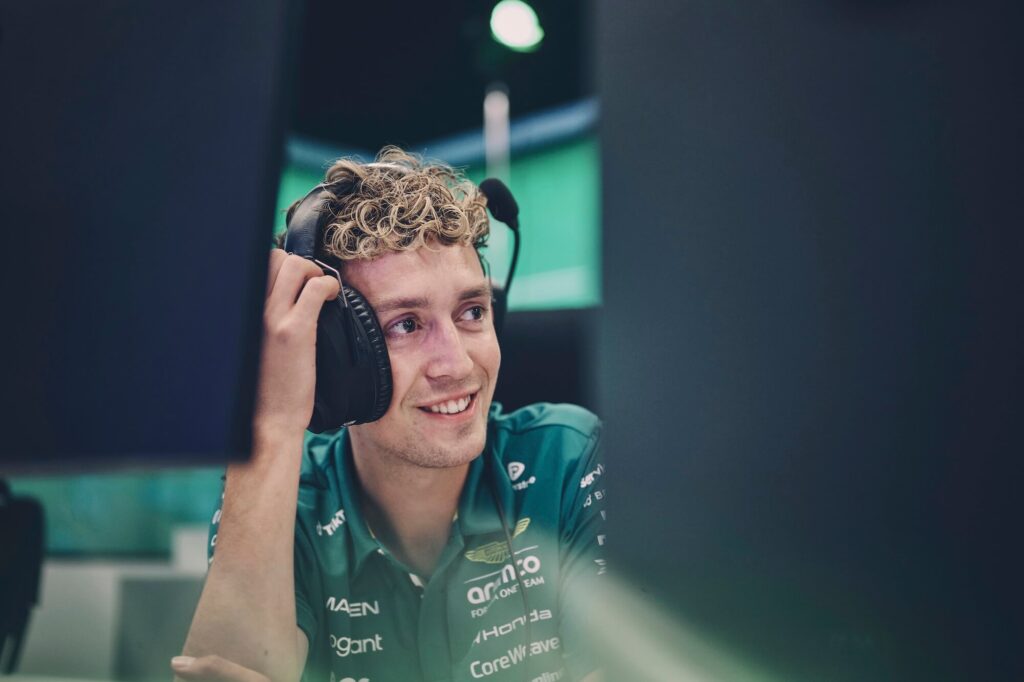
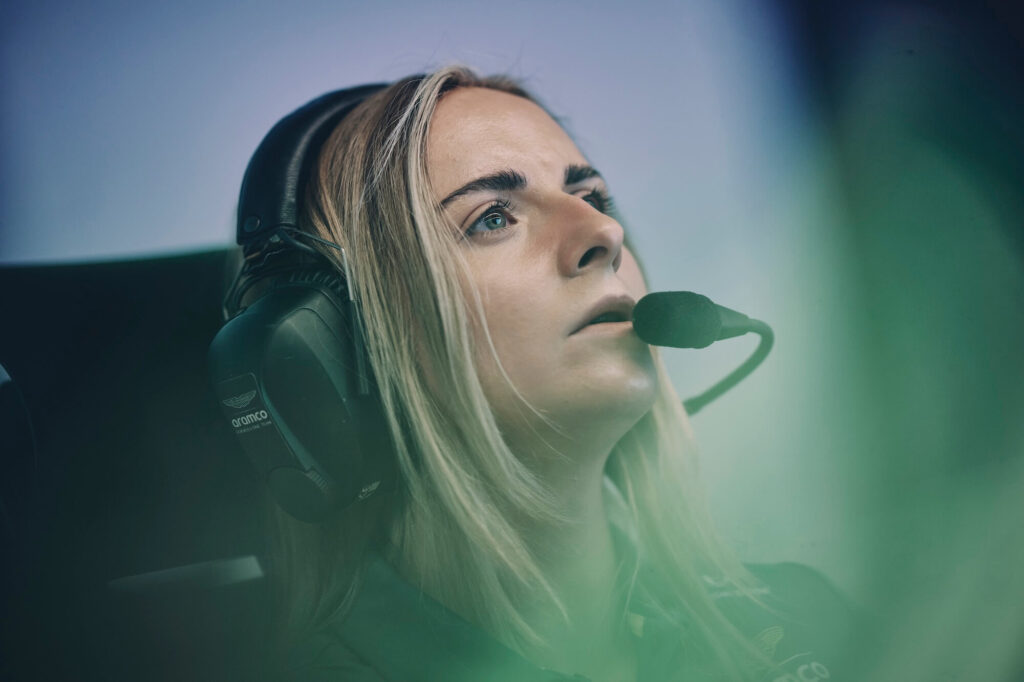
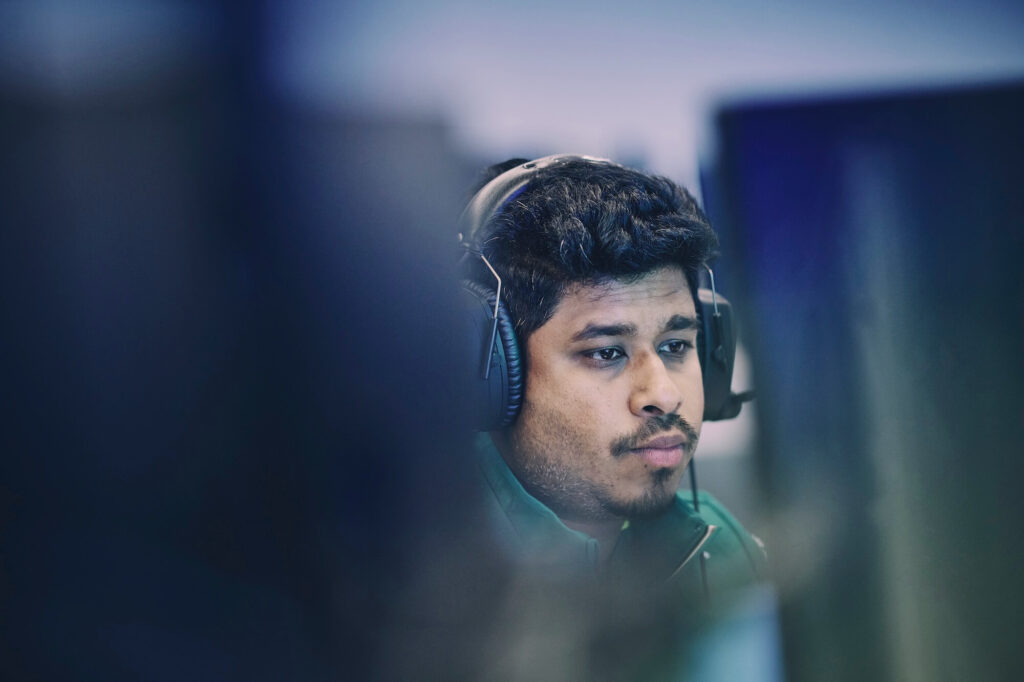
“Mission Control is an extension of the race team, away from the circuit,” says Pete Hall, Head of Race Strategy. “In modern Formula 1®, the volume and complexity of data generated during a race weekend far exceeds what can be fully analysed trackside. Its primary purpose is simple: to give the team the best possible information. Whether that’s predicting tyre degradation curves, modelling alternative strategies during a Safety Car window, or spotting reliability risks, Mission Control enhances decision-making in real time.”
The team are on hand throughout every session, from FP1 on Friday through to the post-race briefing on Sunday, regardless of where the team are competing. Whether it’s the British Grand Prix just a few hundred metres down the road or Las Vegas, eight hours behind, Mission Control operates to the same rhythm. Luckily for me, I attended the first practice sessions for Monaco, a mere hour ahead on a warm June afternoon.
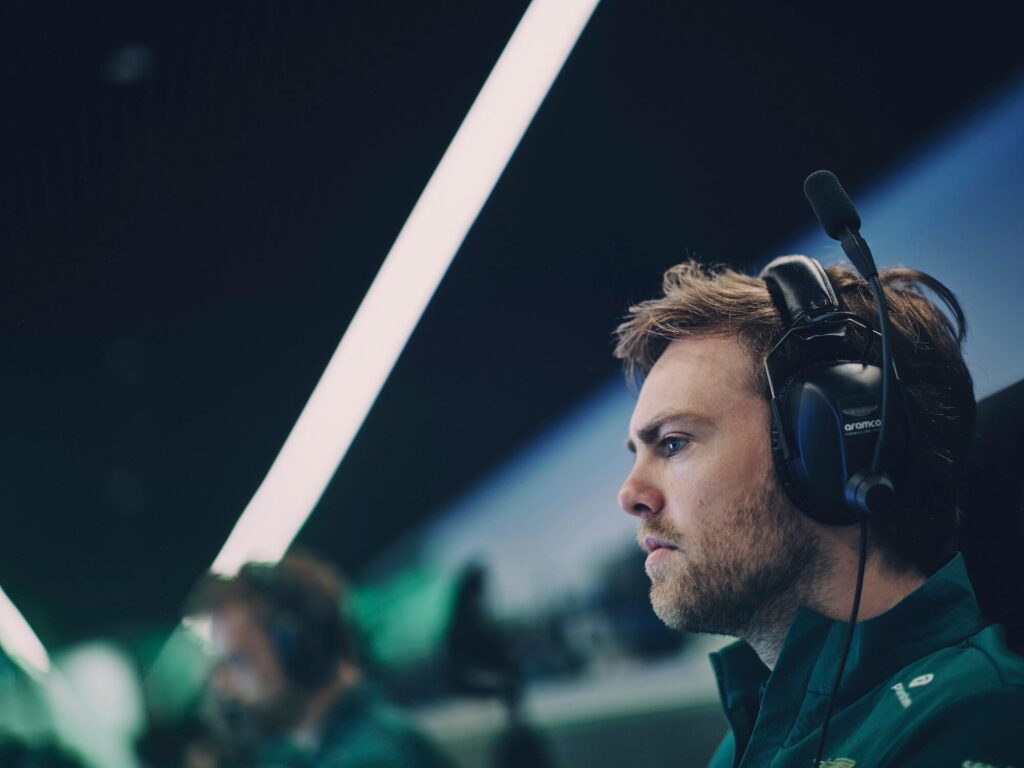
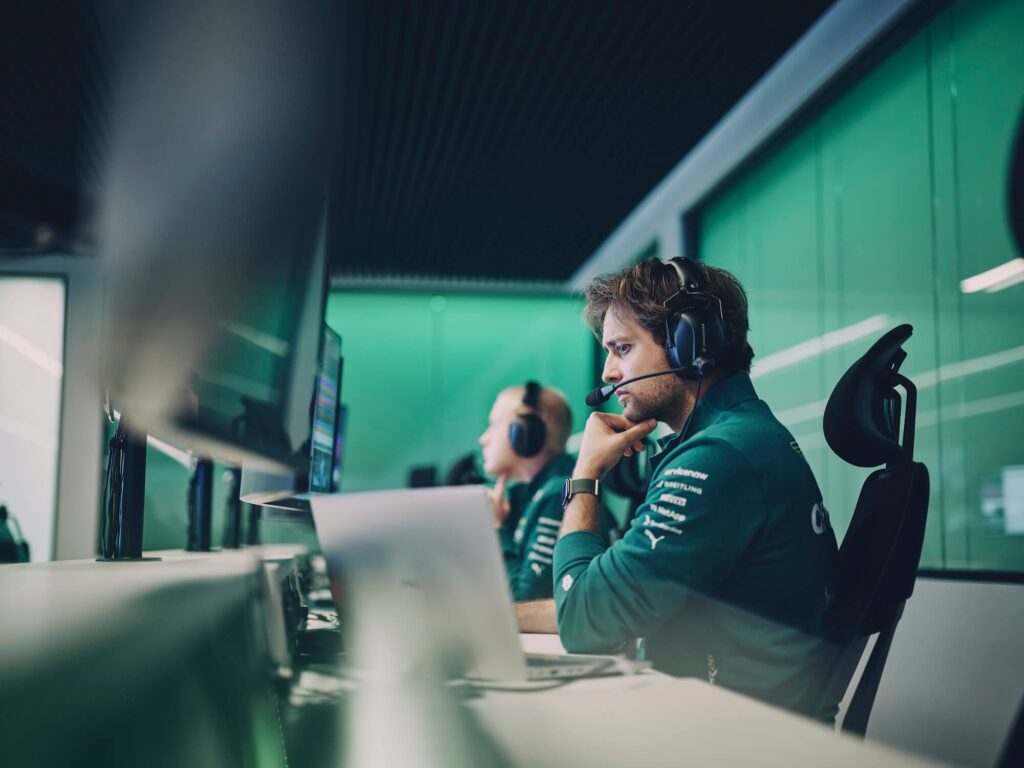
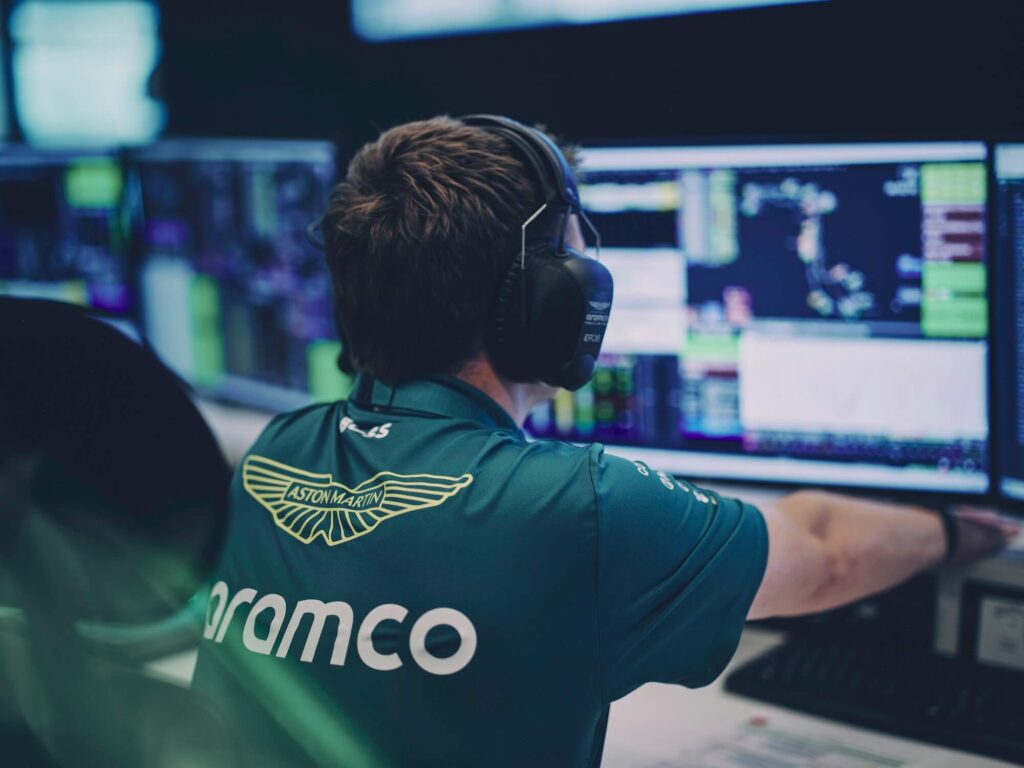
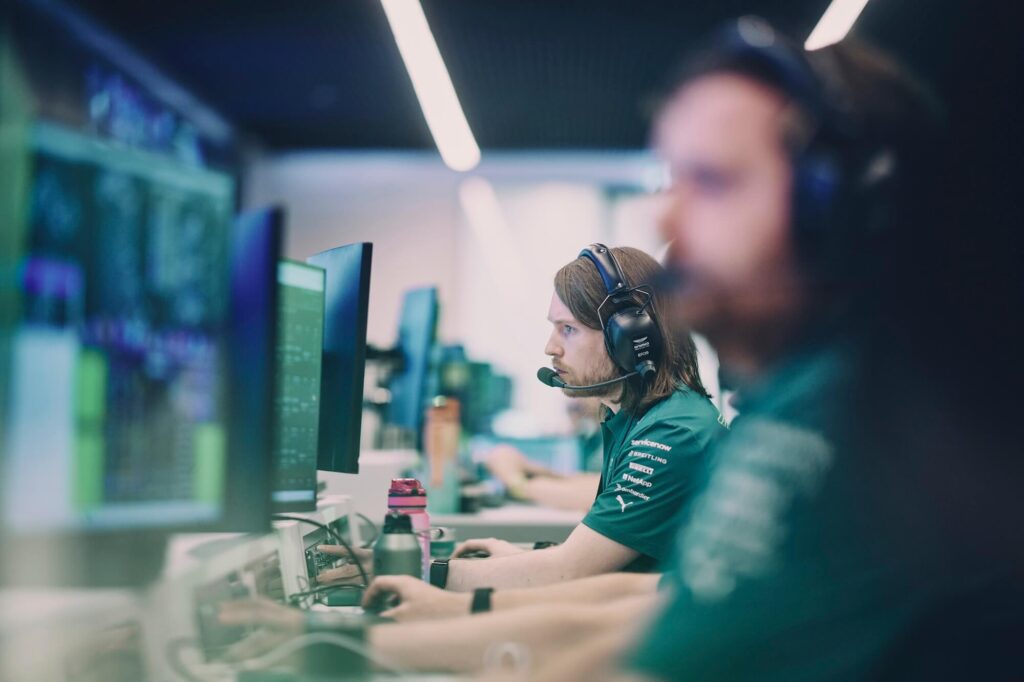
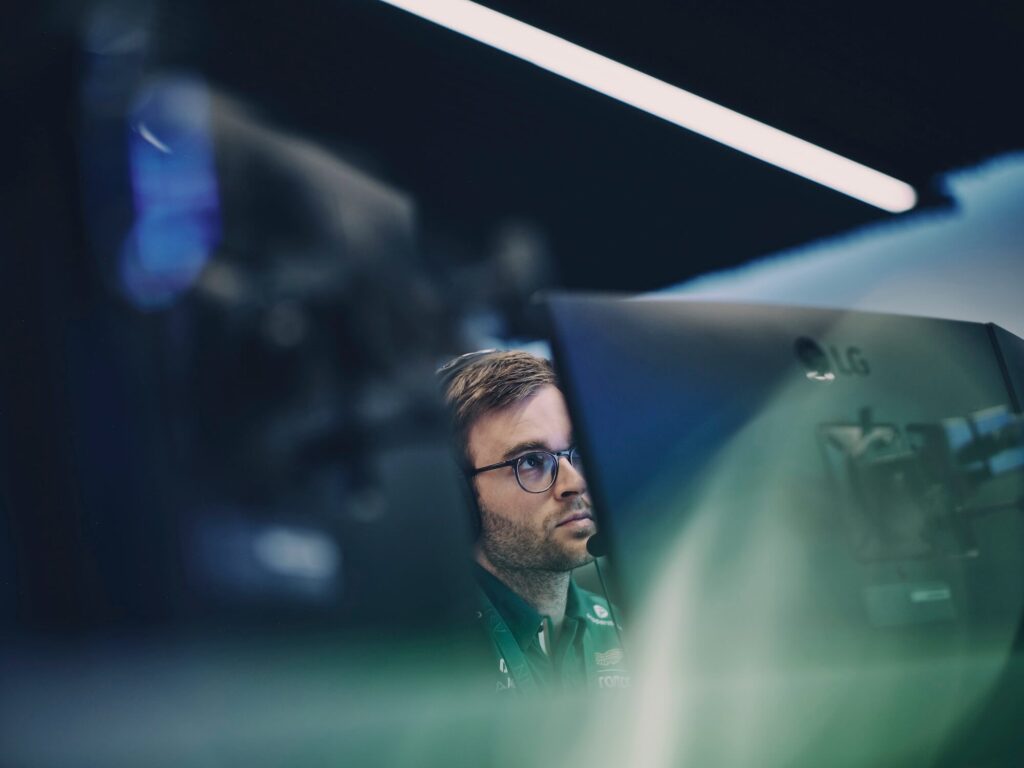
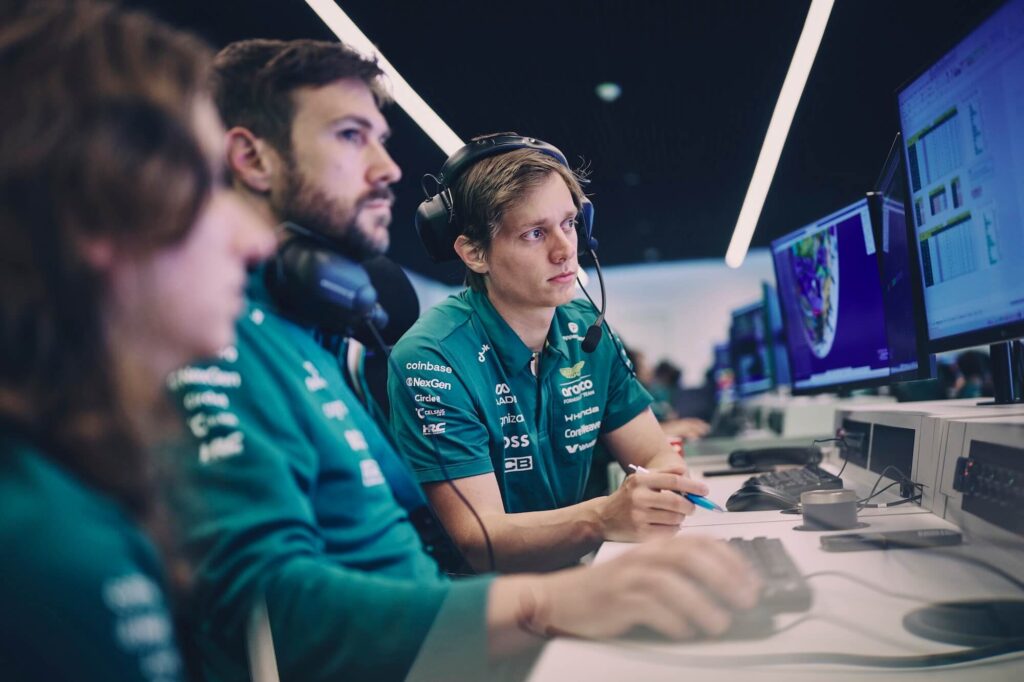
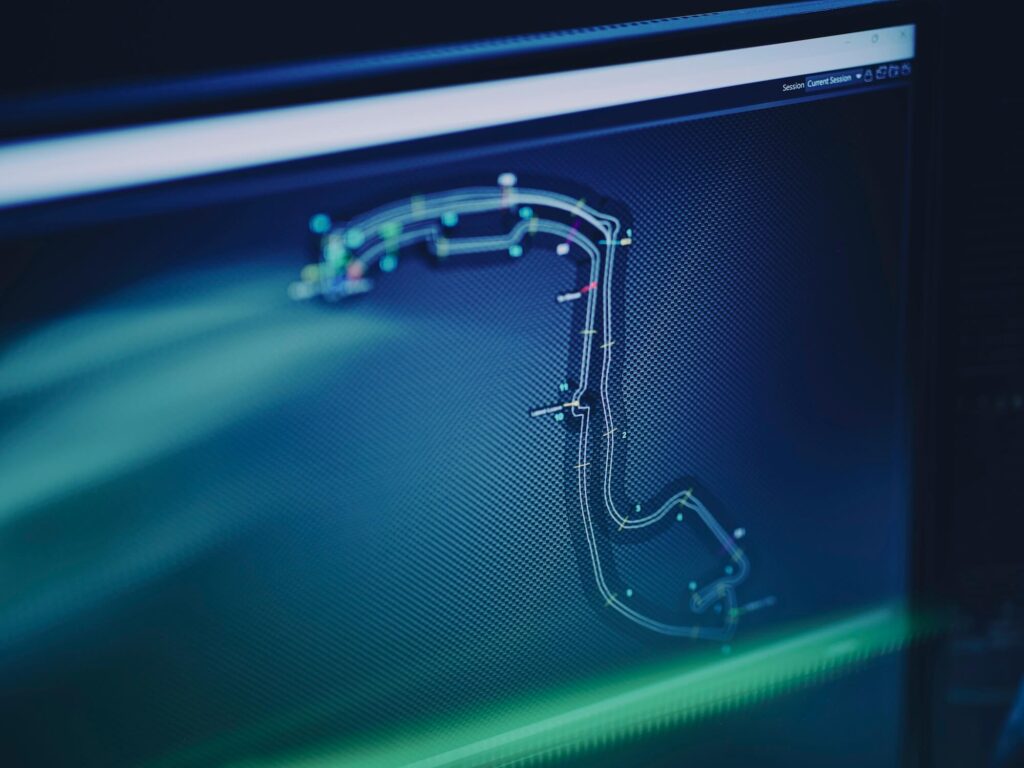
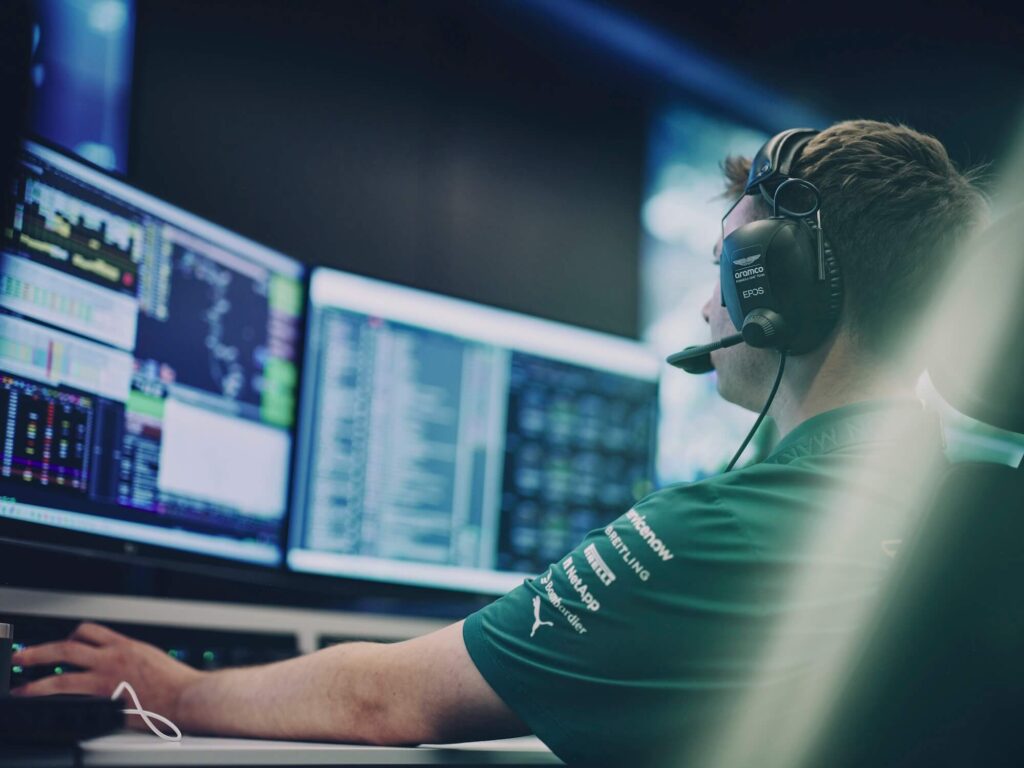
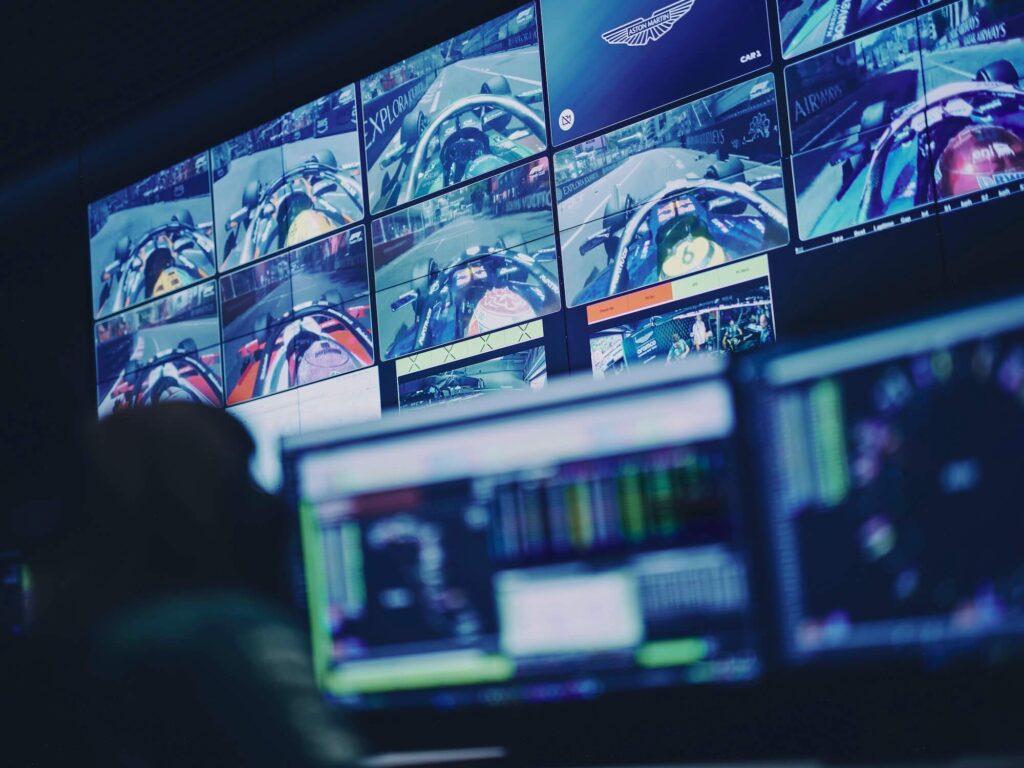
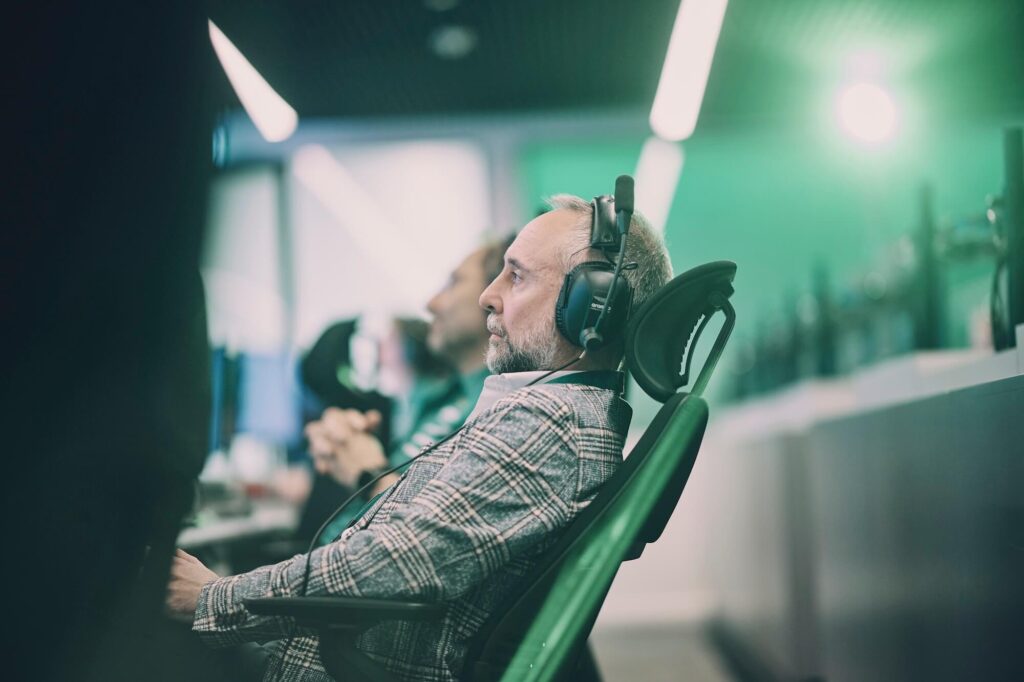
Entering the large unmarked door, there’s relative silence as each team member is engrossed in their computer. Each person has a twin-screen set up, which looks out to the large multi-screens in front. These show the race coverage, with a number of onboard cameras for both Fernando Alonso and Lance Stroll’s cars, as well as rivals. Two more screens then show Alonso and Stroll’s respective garages, while Sky Sports F1’s coverage displays what the general public sees. A race map with live driver trackers tells you where each driver is at all times. While watching the action from aboard a yacht in Monaco might be the most exciting way to see F1®, a seat in this room is surely the best; you can see everything going on all at once, and can even pick up on things that happen before the broadcast does.
This is, of course, crucial for Mission Control, who need to be as well informed as possible, not only of their drivers’ set-ups and strategies, but also of their competitors. Each team member has various graphs and data feeds on their screens, which are constantly updated throughout the session. “Every individual in Mission Control has a defined, specialist role, creating a highly coordinated operation,” says Hall. “For example, members of the Strategy team will run race simulations and advise on pit stop timing, Tyre Engineers will focus on key tyre performance metrics, and engineers from the Performance Group will be supporting the trackside operation with analysis and recommendations on car setup.”
After each session has finished, there’s a factory debrief with the team on the ground, where any findings are shared and discussed, before being implemented next time round. Weather spotters might feed back to the pit wall and HQ during wet weekends, while teams have also been known to employ ‘spy photographers’, who’ll photograph rivals’ cars and send them back to HQ, before they’re analysed by the team who might attempt to reverse-engineer concepts or study what works and doesn’t. “We spend the entire weekend communicating with the trackside team. It never feels like they are too far away,” adds Hall.
While FP1 and FP2 weren’t particularly successful for Alonso and Stroll, who were struggling with the balance of their cars, the weekend was far from a failure. After an excellent strategy and a few penalties for other teams, Alonso managed to finish 10th in the race on Sunday, picking up the team’s first point of the year. The team at Mission Control may not have been driving the car, but their help behind the scenes no doubt paid off.