Food, architecture and breathtaking natural beauty. These are just a handful of the Basque Country’s finest attributes, and until now, British-made supercars didn’t feature highly. But getting behind the wheel of the most anticipated Aston Martin for the first time, here in the wilds of northern Spain, changed that. Enter, Valhalla.
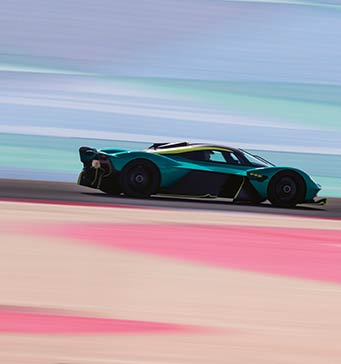
The numbers behind the Aston Martin Valhalla are hard to compute. An 828PS flat plane crank 4.0-litre Twin-Turbo V8 engine, equipped with three E-motors delivering a further 251PS, results in a total power output of 1079PS. The top speed is electronically limited to 217mph, and the 0-62mph dash is covered off in just 2.5 seconds. In two words, it’s fast. Ballistically fast.

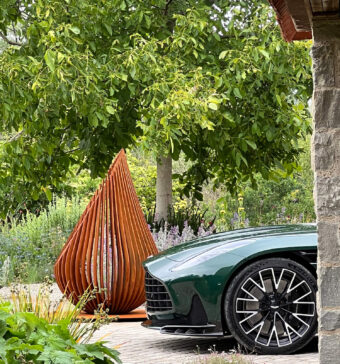
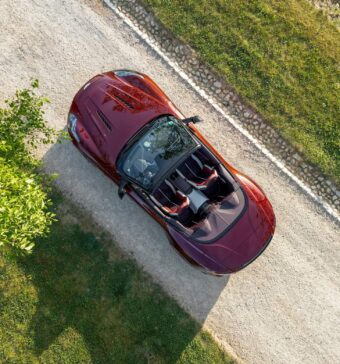
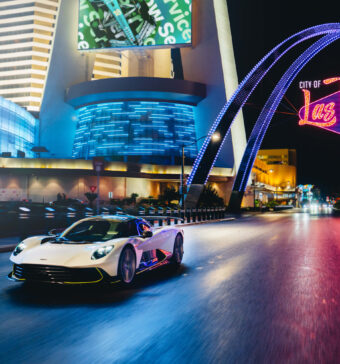
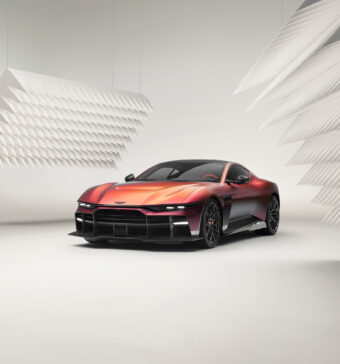
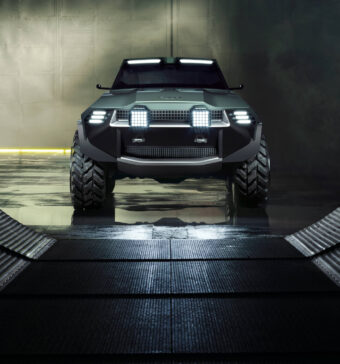
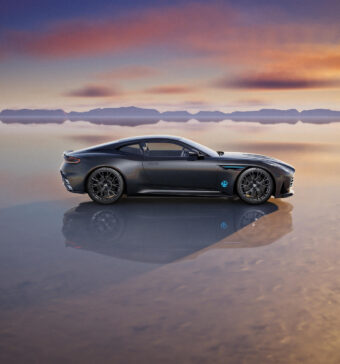
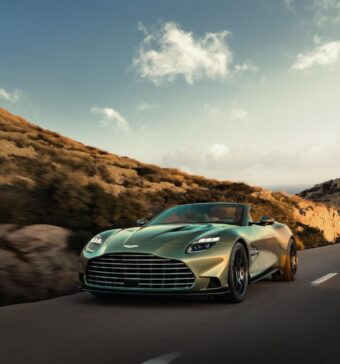
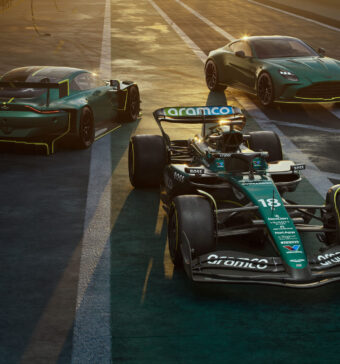
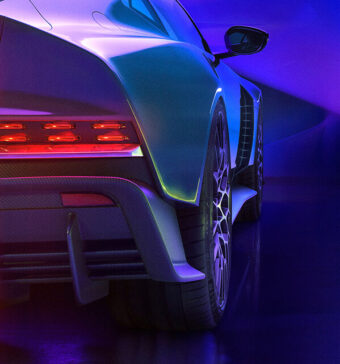
Meeting it for the first time on a misty morning at the rain-drenched Circuito de Navarra was a daunting experience. Styled for speed, the Valhalla is unlike any other Aston Martin that’s gone before it. Fusing Aston Martin’s experience in Formula 1® with its skill in styling spectacularly pretty cars, the Valhalla is the marque’s first series production mid-engined supercar and also its first plug-in hybrid. Formula 1®-inspired high-downforce active aerodynamics meet classic Aston Martin design hallmarks; sculpted, uncorrupted lines and perfect proportions. The Valhalla looks poised and purposeful but also elegant.
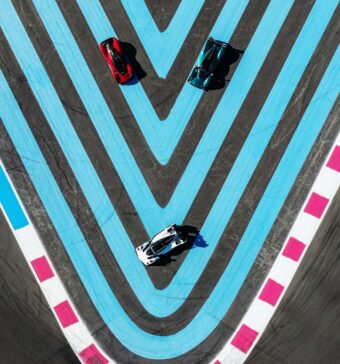
Familiarising myself with the car around Navarra, it’s possible to understand how its dramatic performance numbers and purposeful styling stack up as a package. This is a car engineered for speed, but it’s incredibly accessible. Looking out through the letterbox windscreen, semi-reclined in the leather-clad racing seat, with my heels raised on the pedals, just as they would be in a racing car, I watch as the weather system currently plaguing northern Spain dumps a torrential rain shower on the Navarra racetrack. But the Valhalla barely flinches; confidently striding on at pace, its electrically-driven front wheels giving me much-needed grip and confidence in the corners.


Threading the Valhalla through the medieval towns and roads that weave their way through gorges and the seven valleys of the Rioja region, my next stop on my Basque Country adventure is the Marqués de Riscal winery. This world-famous institution has been making wine since the mid-19th century, when it became the first producer in the Rioja region to bottle it. By the close of the 19th century, it had become the first non-French wine to win the diploma of honour at Bordeaux, and it has been quietly rewriting the rules ever since. The commission of Frank Gehry’s extraordinary titanium hotel in 2006 was entirely in keeping with that spirit: a canopy of rippling silver, gold and rose titanium that erupts from the ancient vineyard with the kind of confidence that only one of the world’s most celebrated architects can pull off.
Like the building, the Valhalla is another example of a creation that balances spectacle with technical purity of form. There’s even a materiality link with the Valhalla’s optional titanium exhaust system – a particular highlight on the car I’m driving, with its raspy roar drawing even more attention as I set off enthusiastically to the next stop.

Just a 10-minute drive further north, and the road rolls through vineyard after vineyard, with the Sierra de Cantabria mountain range dominating the horizon. A moody sky sits on top of the hills, dark clouds form in the distance, but the sun is patching through, flooding the Valhalla’s sumptuously appointed cockpit with light. Despite the race-ready driving position, it’s a comfortable place to pass the time. Best of all, the view from the low scuttle, out over the front wheel arches, is unique. It channels the spirit of a Le Mans hypercar, such as its Valkyrie stablemate, but with the comfort and compliance of a grand tourer. Few cars can offer such a rich mix of potent performance and a ride that breathes and flows so naturally across the road surface.
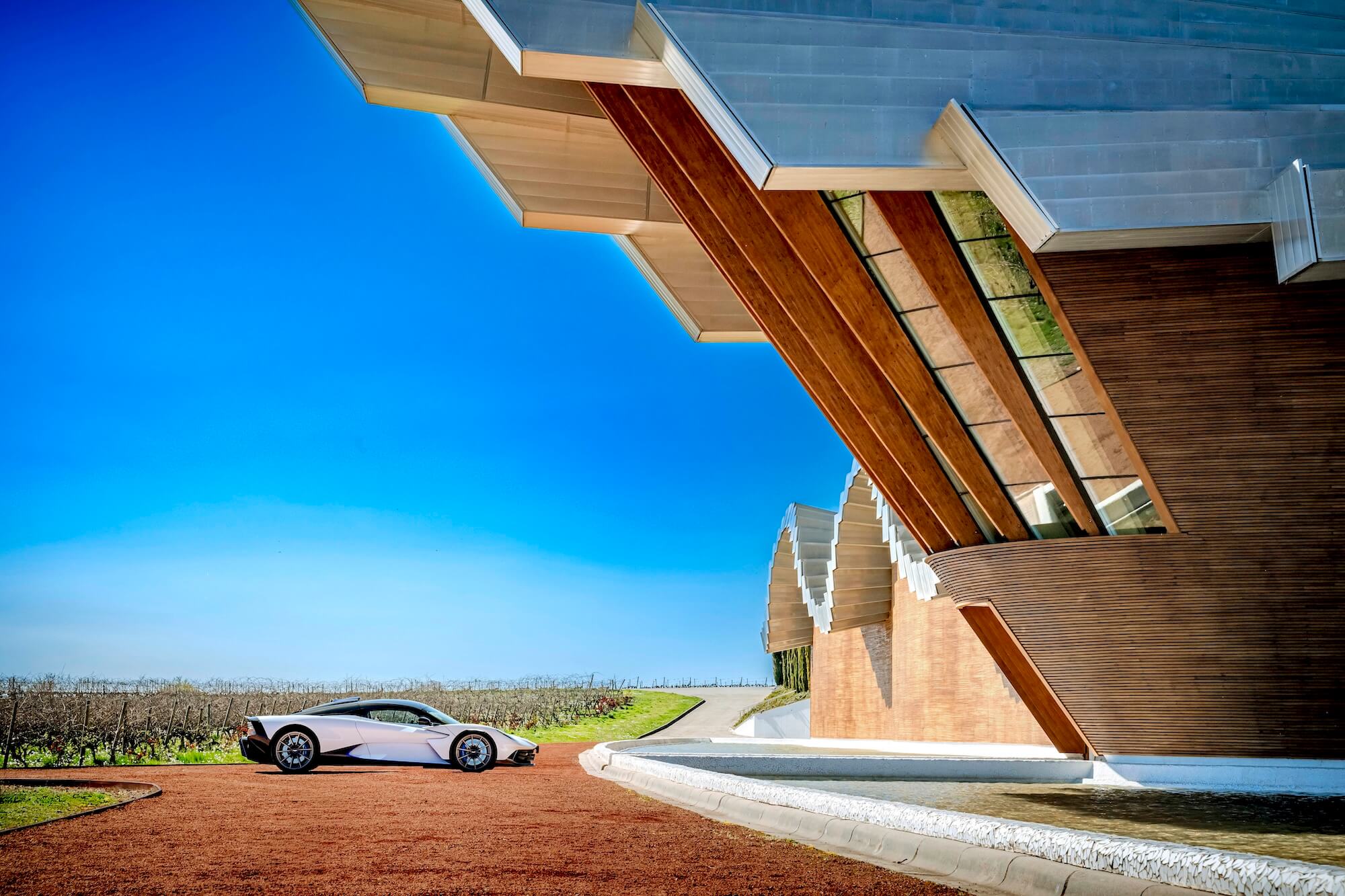
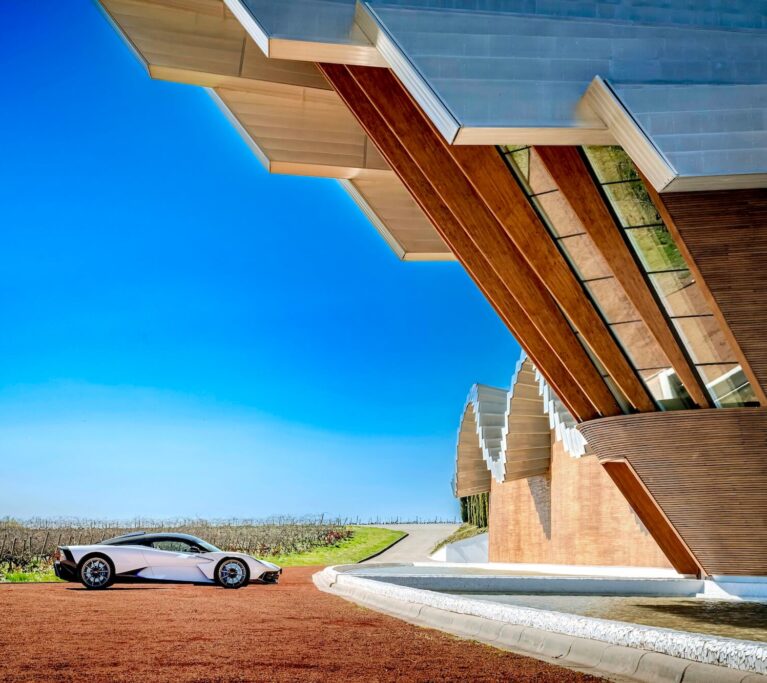
All too soon, I arrive at the next stop: Bodegas Ysios. Founded and built in 2001, Santiago Calatrava’s building takes its name from the Egyptian gods Isis and Osiris, both intimately linked to the world of wine. With a temple-like quality, this nearly 200-metre-long building, with its shimmering aluminium roof, mirrors the mountain range directly behind it with uncanny precision. The southern facade, clad in horizontal cedar slats, references a row of wine barrels. Where Gehry’s Marqués de Riscal sculpture erupts, Calatrava’s building converses with the natural landscape surrounding it.


But the Basque Country has always done things differently, whether it’s food or architecture – all of it shaped by rugged natural beauty and marked by a confidence that borders on defiance. Something the Valhalla mirrors brilliantly. On reflection, there are few better places to reveal the car’s true character.