















The more specific it is, the more rooted in that particular experience, the more universal it lands,” says Botis Seva. I am speaking over video with the Olivier Award-winning choreographer and dancer, founder of Far From the Norm, at his home in London. I can hear the patter of children playing in the other room. Warm and affable, he shuts the door to soften the noise, admitting that his approach to life and work has shifted greatly since becoming a father.
Growing up with four siblings and a single mother who had migrated from Angola and Congo, the family struggled financially and moved around before settling in Dagenham in East London. “I’m self-taught, a bedroom dancer,” he smiles. “You buy DVDs, watch videos, practise. Then, when I was introduced to hip-hop culture, dancehall and contemporary dance, I started experimenting. It really was love of movement first.”
The shift from dancer to maker happened in 2011 at Breakin’ Convention at Sadler’s Wells, where Seva saw the possibilities of directing his movements into something more. “I realised there is a craft to it, much like an architect building a house.” Film, a longstanding passion, became the primary reference point, speaking to the idea of the stage as a room in which you can make cinema.
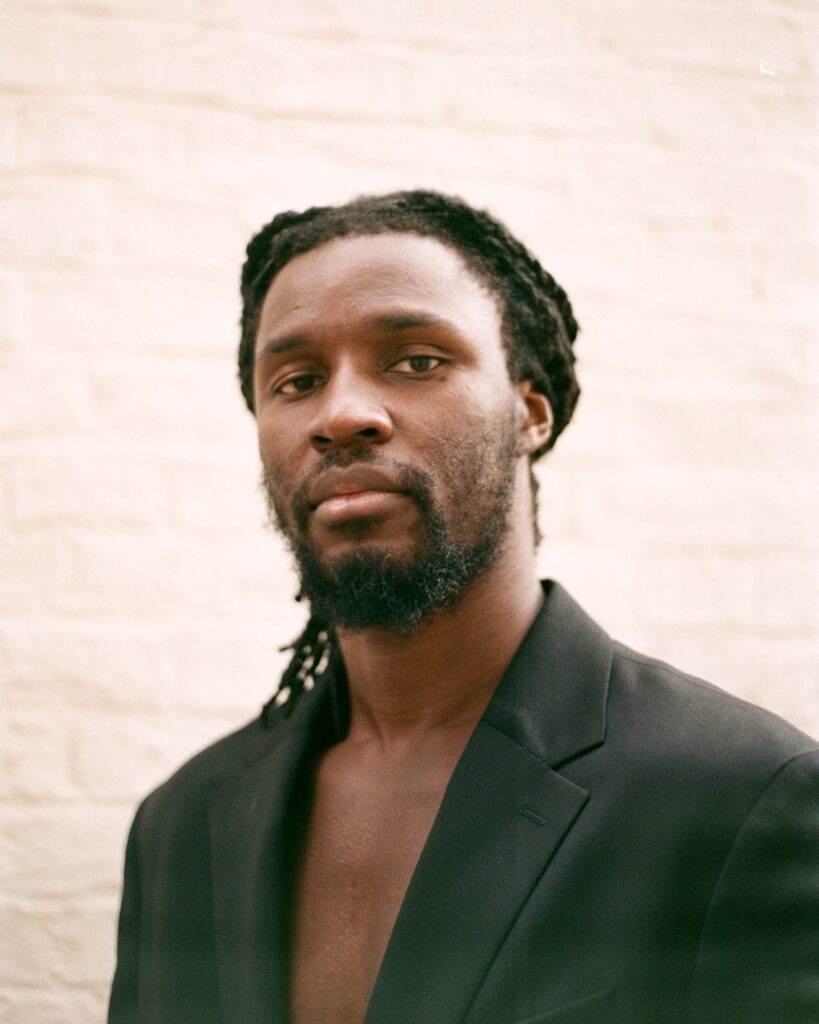
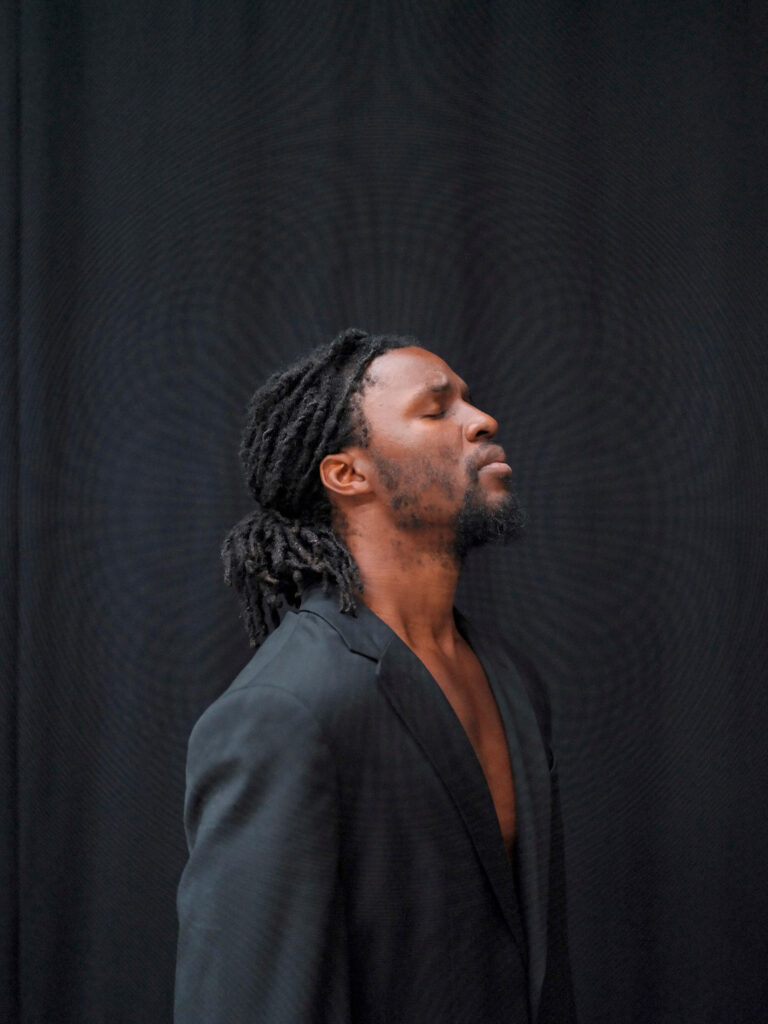
Seva’s talent was spotted, leading to an invitation to curate Wild Card at the Lilian Baylis Studio and, in 2018, a commission from Sadler’s Wells to mark the theatre’s 20th anniversary. BLKDOG caught critics’ attention for its genre-defying blend of hip-hop dance and raw commentary on surviving adulthood as a childlike artist, going on to win the Olivier Award for Best New Dance Production and touring across Europe, North America and Asia. In 2021, The New York Times wrote: “A piece of BLKDOG is enough to establish its choreographer, Botis Seva, as a major new talent.” That same year, he was named one of 10 recipients of the inaugural Chanel Next Prize.
His practice was shaped, he says, by the specific texture of East London: football culture, pub culture, and the particular experience of being a Black boy navigating spaces that were not always willing to receive him. His work Until We Sleep – a dark and atmospheric journey through resistance, transformation and survival – has toured across Europe since 2024, while his upcoming solo show Sing Child Sing, centred on healing and identity, and addressing his relationship with the father he never grew up with, is set to premiere at The Lowry in Salford this November. “BLKDOG is so dark because I was hiding inside it. Ten years on, and being a father, I can’t hide anymore.”
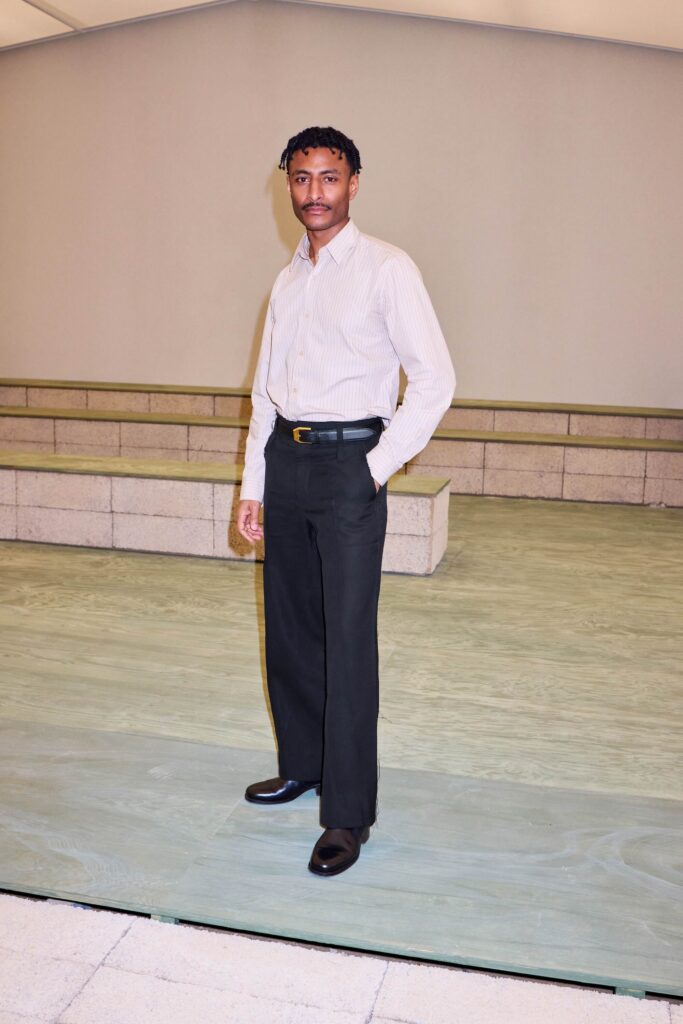
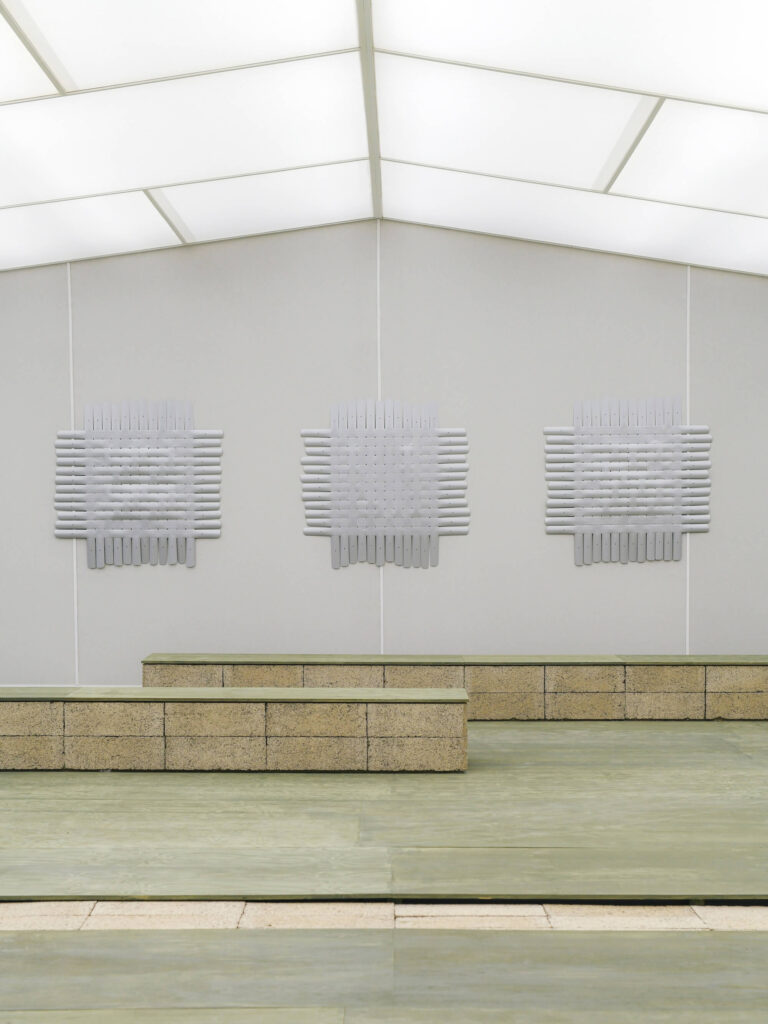
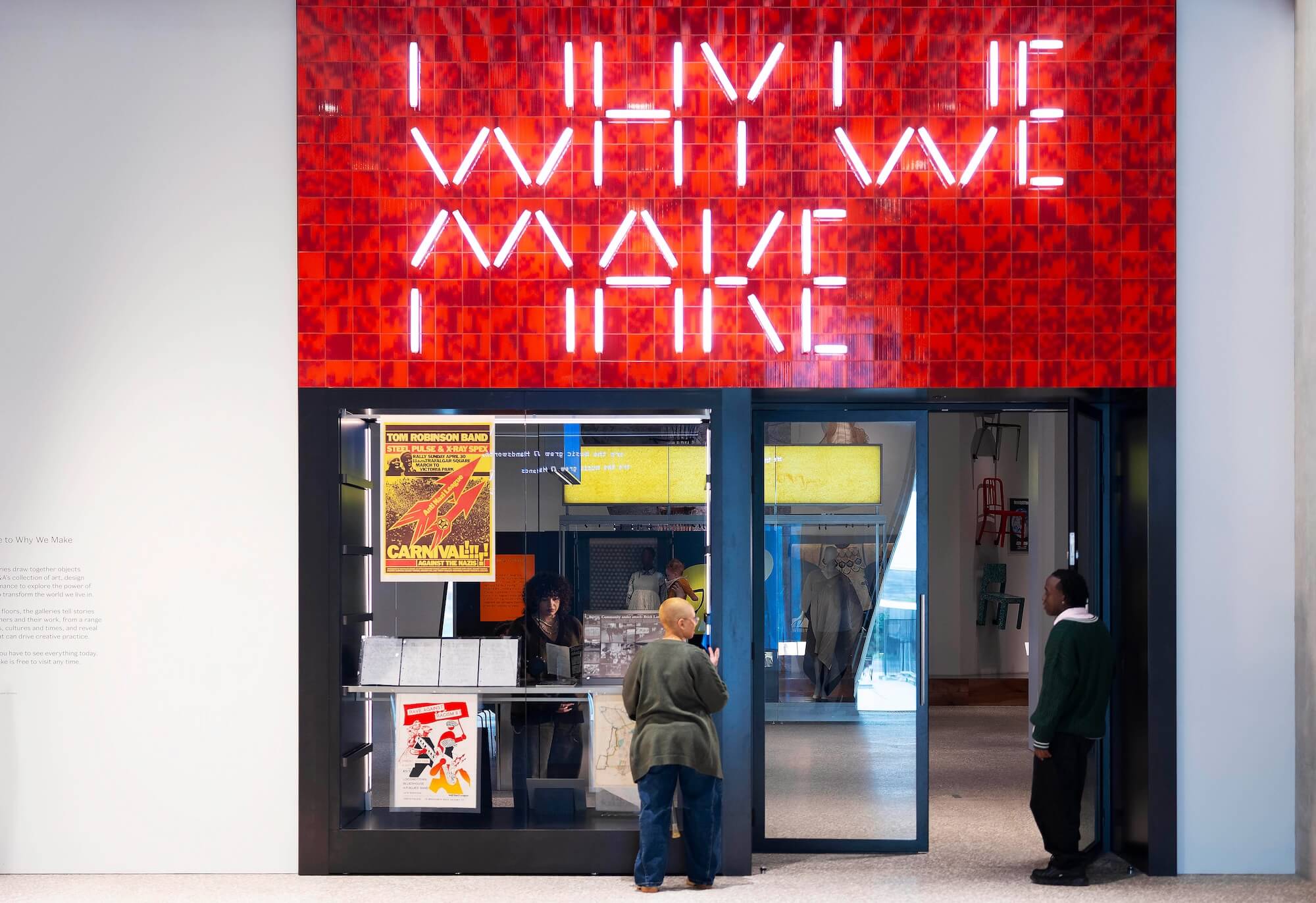
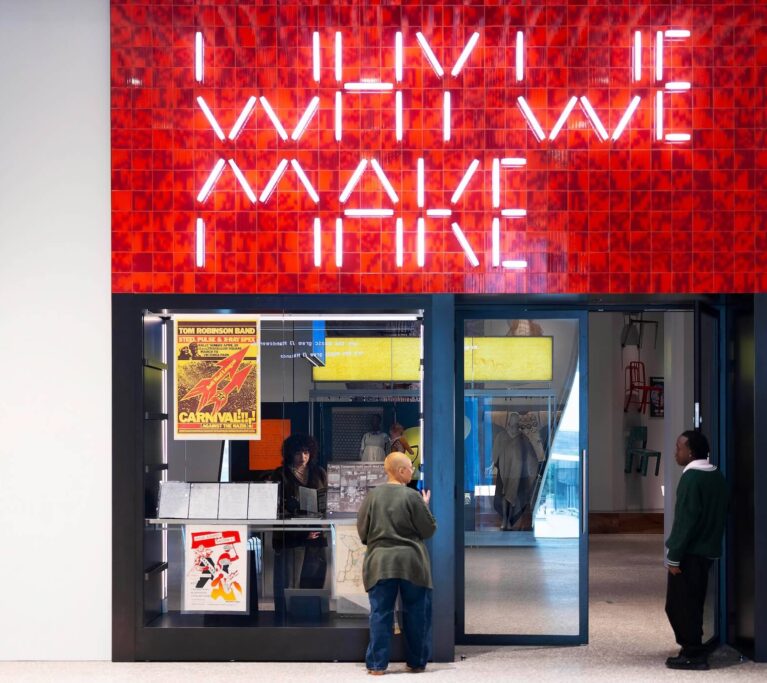
That same ambition – to make work that is both rooted and open, and in service of community – runs through the Why We Make galleries at the newly opened V&A East, housed in a building designed by O’Donnell + Tuomey. It is the work of Jayden Ali, one of the most exciting voices in architecture today, who came to wider attention as one of four co-curators of the British Pavilion at the 2023 Venice Architecture Biennale. He is the founding director of JA Projects, a London- and New York-based studio that has delivered work across the UK and Europe, including the world’s first comprehensive museum exhibition dedicated to Nike at the Vitra Design Museum, and the architectural concept for Matter and Shape 2026, a new design salon set within the Jardin des Tuileries.
JA Projects operates on the principle of genuine collaboration: with communities, artists and the people who will inhabit the spaces he makes – something that effectively won him the V&A East commission. Why We Make draws on over 500 objects from the V&A’s collection spanning art, architecture, design, performance and fashion. Rather than working top-down, Ali sat alongside the museum’s youth collectives from the outset, asking how the space should feel. From those conversations, the defining idea emerged: a design language that spoke of the visual energy of East London high streets – the stacking and display of fabric shops and market stalls, the glow of neon light, and salvaged timber sourced from the city’s own trees.
“By drawing inspiration from the high streets and parks that surround the museum, I’d hope young people recognise themselves and their lived existence in the spaces, and the power they already have in making space,” says Ali. On London’s role in his thinking, he is characteristically precise: “It’s less about being rooted in London and more about our projects being ‘rooted’ in context. But London has taught us the power of having an agenda, community and independent output.”
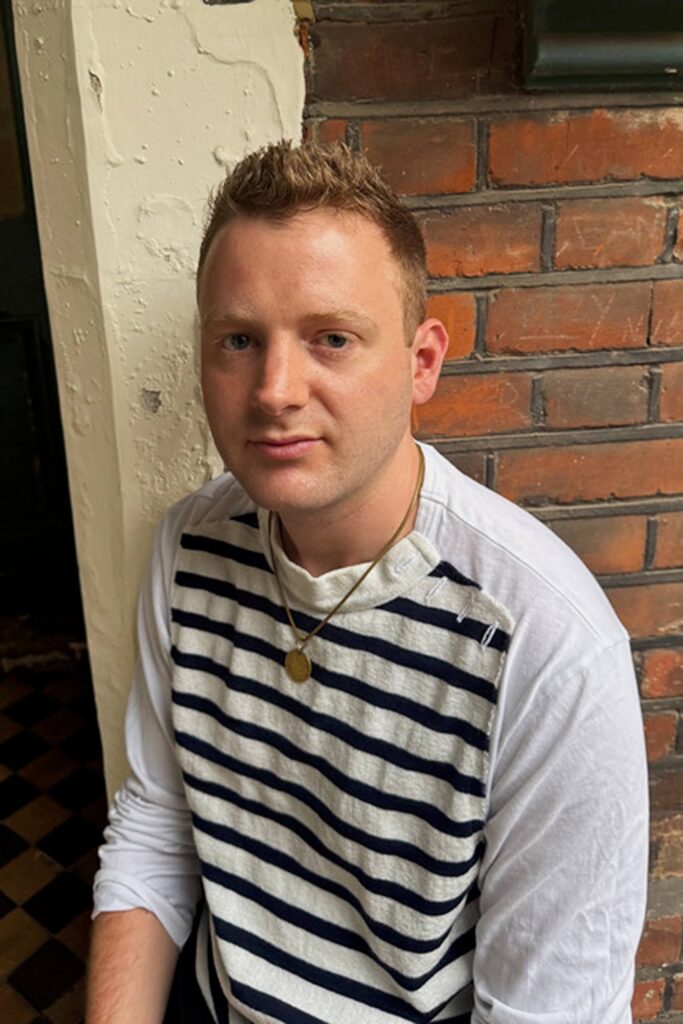
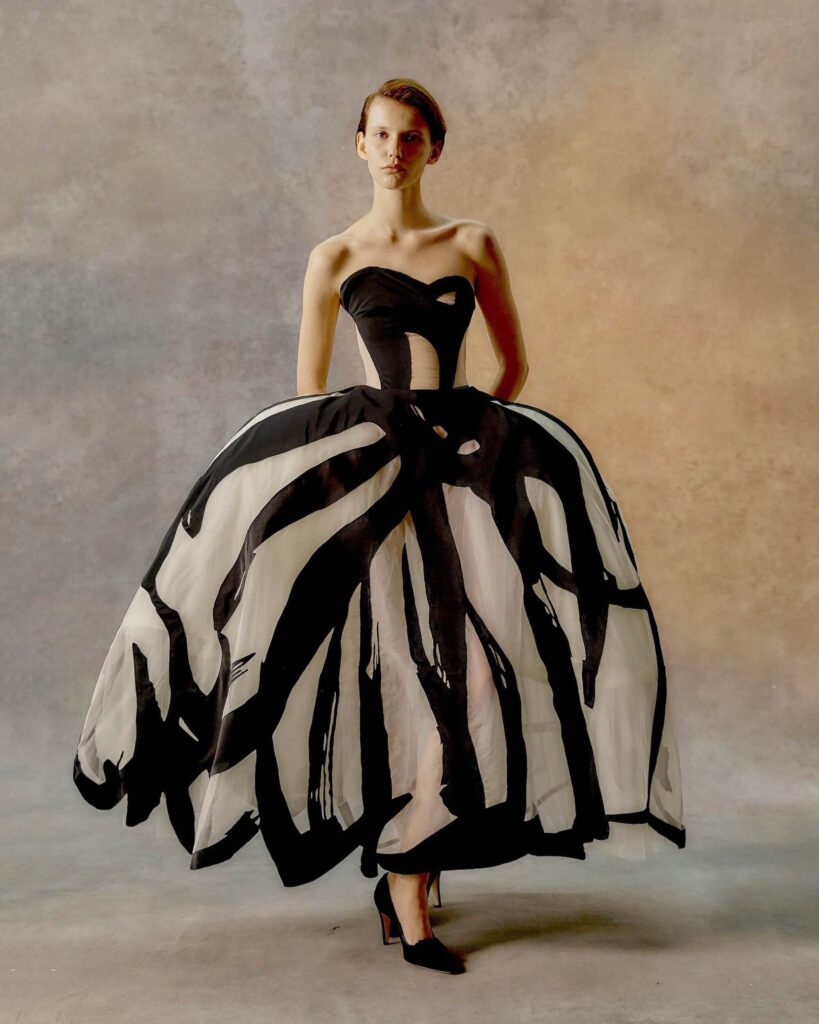
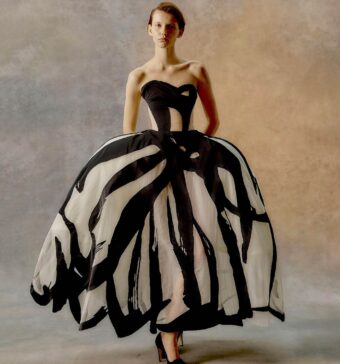
That same rootedness in place and context runs through the work of Steve O Smith, though his medium is cloth rather than concrete. Smith’s practice is an ode to the original bespoke fashion model, a model that changed in the 1950s when clothing became mass-produced. “I think of the garments as drawings, and that is reflected in the way they exist: made-to-order, one of a kind, each slightly different from the other,” he says. His process starts with a drawing on paper, which he then translates using appliqué, embroidery and other freehand techniques onto garments. He describes the process as similar to making marks on a page. “It’s a matter of collapsing that concept and thinking of the clothes as drawings – and then as a business idea, too.”
His practice speaks to an audience exhausted by the sameness and disposability of so-called luxury fashion, winning Smith the 2025 Karl Lagerfeld Prize. This year, Emma Stone wore a custom Steve O Smith check suit in a Super Bowl Squarespace campaign directed by Yorgos Lanthimos, and British Vogue’s head of editorial content, Chioma Nnadi, was dressed in one of his custom gowns for the Met Gala – fashion’s most scrutinised red carpet, where Eddie Redmayne and his wife have previously worn his designs.
When drawing, Smith works from a tight edit of three to five reference images distilled from a much larger research pool. He has spent years in conversation with the German expressionists, and is currently turning towards the Fauves, drawn, he says, by their relationship to colour. A particular touchstone is Pavel Tchelitchew – the surrealist painter whose fluid, almost liquid figuration shaped the physical instinct behind Smith’s mark-making. He says, “It becomes less about intellectual reference and more about the physical act of how I’m going to draw.”
Smith sees London as critical to his way of thinking, with colleges such as Central Saint Martins, where he did his master’s, encouraging their fashion students to do something different to what everyone else is doing. “That environment, combined with a free-thinking attitude that I think is particular to London creatively, made the whole concept of treating garments as drawings feel possible,” he says, before adding, “and so did disrupting the business structure around it.” By cutting out wholesale entirely, Smith retains the full margin on each piece he makes.
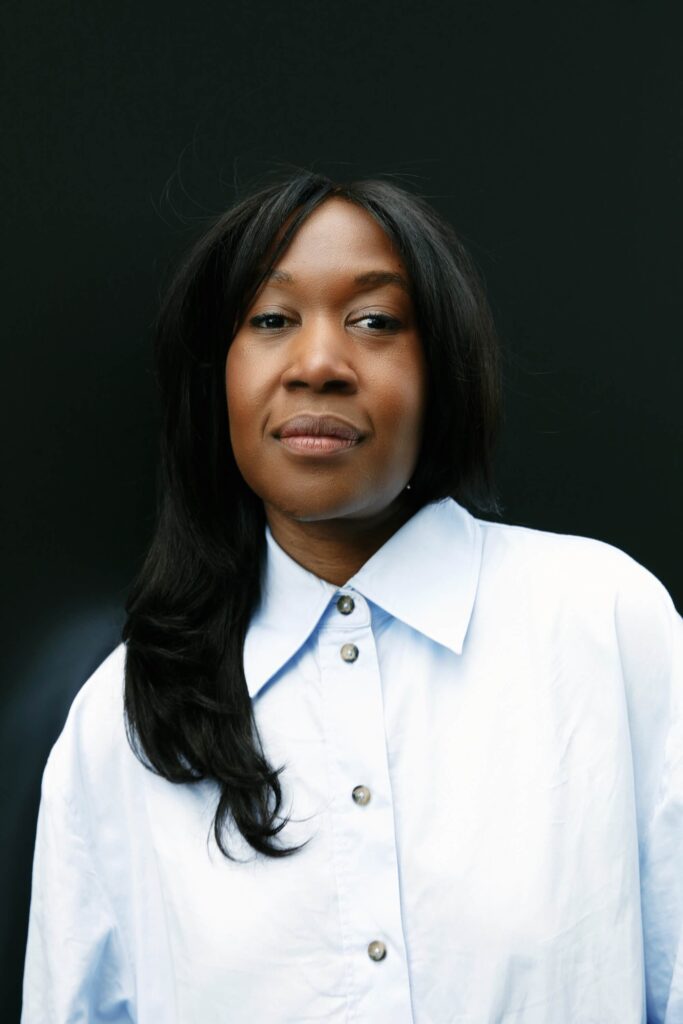
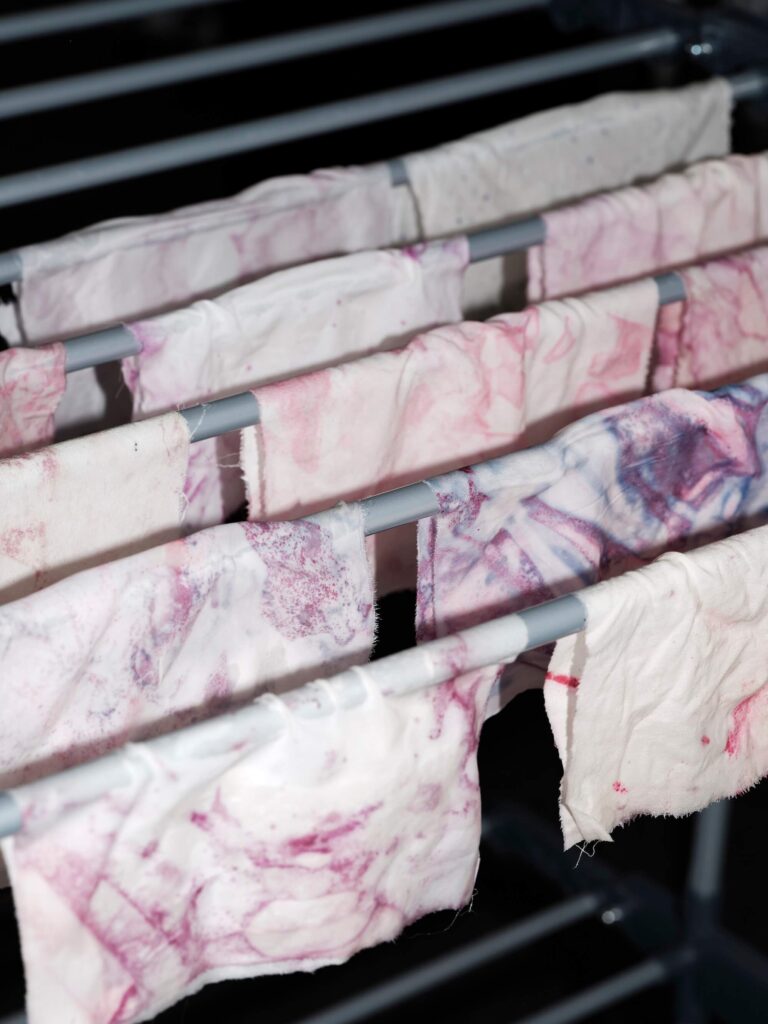
Also questioning the norms of fashion is Natsai Audrey Chieza, who sees material as the message. The founder of London-based design agency Faber Futures, launched in 2018, Chieza bridges biotechnology and real-world application, pioneering microbial fermentation for sustainable textile dyes and exploring how biological systems could transform colour production and reduce fashion’s environmental impact. Trained in architecture and with a master’s in material futures, she isn’t so much interested in biology fixing industry, but industry being biologised. Clients and commissioning bodies, including the V&A, the Design Museum, adidas, MIT Media Lab and the World Economic Forum, have taken note.
The bacterial dyeing process, fed on food waste rather than petrochemical inputs, produces colour whose appearance shifts depending on what the microbe is given to consume. “That notion of provenance becomes a really important story, and helps us begin to understand a new way of thinking about what luxury might mean,” she says, adding that it is a question of systemic change. “A fast fashion house can adopt that technology, but the fast fashion logic doesn’t change.” In 2023, Chieza co-founded Normal Phenomena of Life as a consumer brand to demonstrate the practicalities of biotechnology in creating beautifully designed new materials.
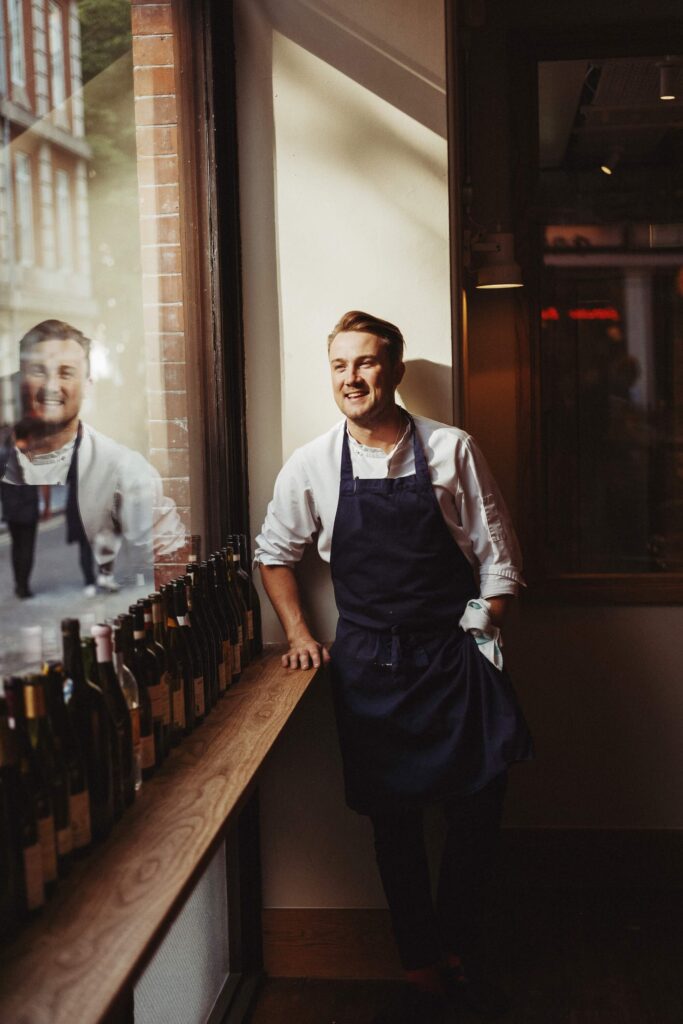
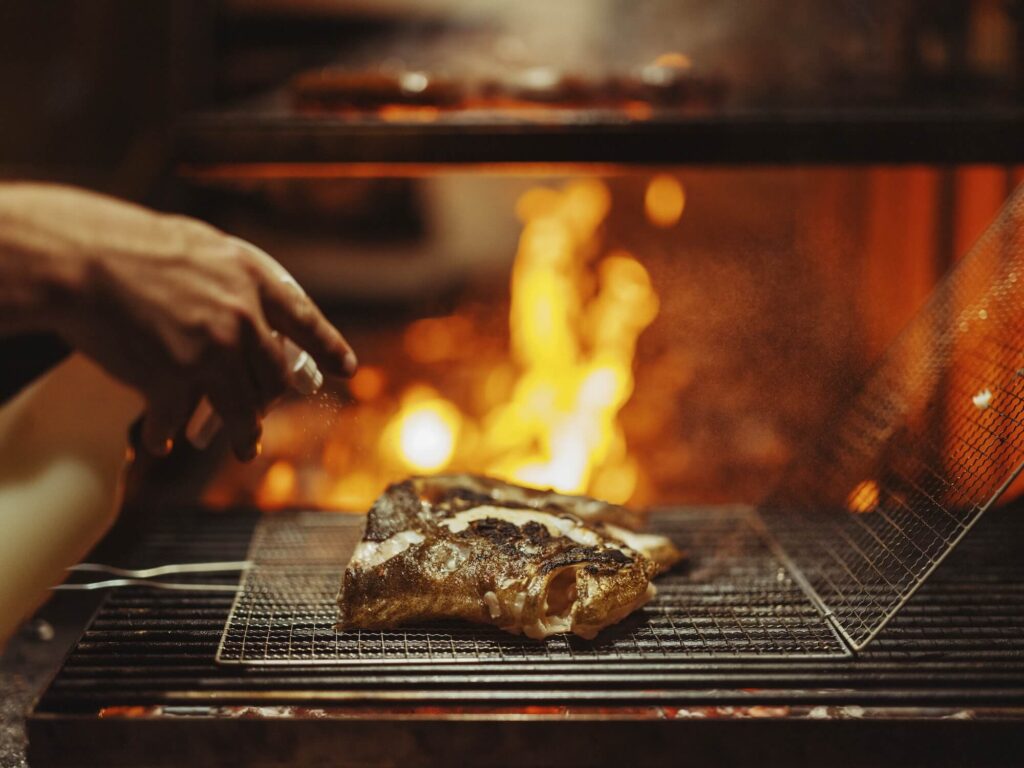
As chef and owner of two of London’s most celebrated restaurants, Brat and Mountain, Anglesey-born Tomos Parry is asking similar questions but of food, inspired by the rigour and heritage of French, Nordic and Californian cooking. “I’ve taken huge inspiration from all of those cuisines, and I admire how closely they stay connected to their heritage,” he says. “Growing up, I often wondered what a Celtic or specifically Welsh cuisine might look like, and whether I could express that through my own work. When I opened the restaurant, that became the aim. I thought that if I applied the same work ethic, commitment, and no-compromise approach as those leading cuisines, I might be able to cook with real conviction, and that would resonate with people.”
Brat, which opened in Shoreditch in 2018, drew immediate international attention, the menu changing twice daily in response to what would arrive fresh that morning. Parry’s philosophy is quite simple: produce, fire, plate. “The way an ingredient interacts with fire is fundamental to how successful the dish will be,” he says. And the dish begins long before the kitchen – in sourcing, supplier relationships, and what nature makes available. “If Welsh lobsters are in season and in abundance, then dishes must be written around them. You can’t create in a vacuum.”
London, Parry says, has been equally shaping. “London has always been very diverse, but now there is a stronger sense of identity in how chefs interpret that diversity. There is less pressure to fit into a predefined mould, and more willingness to let ingredients and instinct guide the cooking,” he says. “There is a growing confidence in trusting our own produce and influences, rather than looking outward for validation.”